Search

Search

Suggestions

Outreach programs

Membership

Health workforce

Health services

Online training

Provide feedback

Who we are

CheckUP works with partner organisations and health providers to create healthier communities and reduce health inequities through a range of initiatives.

View all

Partner with us

There are so many ways you can support the work of CheckUP and our vision of better health for the people and communities that need it most.

View all

News & publications

Read the latest news and publications from CheckUP.

View all
QPHCN event

What it takes to bring healthcare closer to home in regional Queensland

Improving access to health services for regional, rural and remote Queenslanders brought health, workforce and community services professionals together for CheckUP’s latest QPHCN event, held in person and streamed live across Queensland. Over the course of the morning, the conversation moved from the mechanics of commissioning outreach services through to the patients whose lives are changed by them.

The speakers who shared with us were:

Tony de AmbrosisCEO of CheckUP
Elise GormanGeneral Manager, Health Services
Amber HanksEye and Ear Surgical Services Manager
Sarah BohanGeneral Manager Allied Health, North West Remote Health
Mary-Anne QuilterManager, Cancer Prevention
Cathie GillanQueensland Health
Michelle HodgesSenior Manager, Outreach Programs
Nicole ByrneEye Health Coordinator, Gidgee Healing
Philippa HawkeEvaluation Lead

A model built to bend when communities need it to

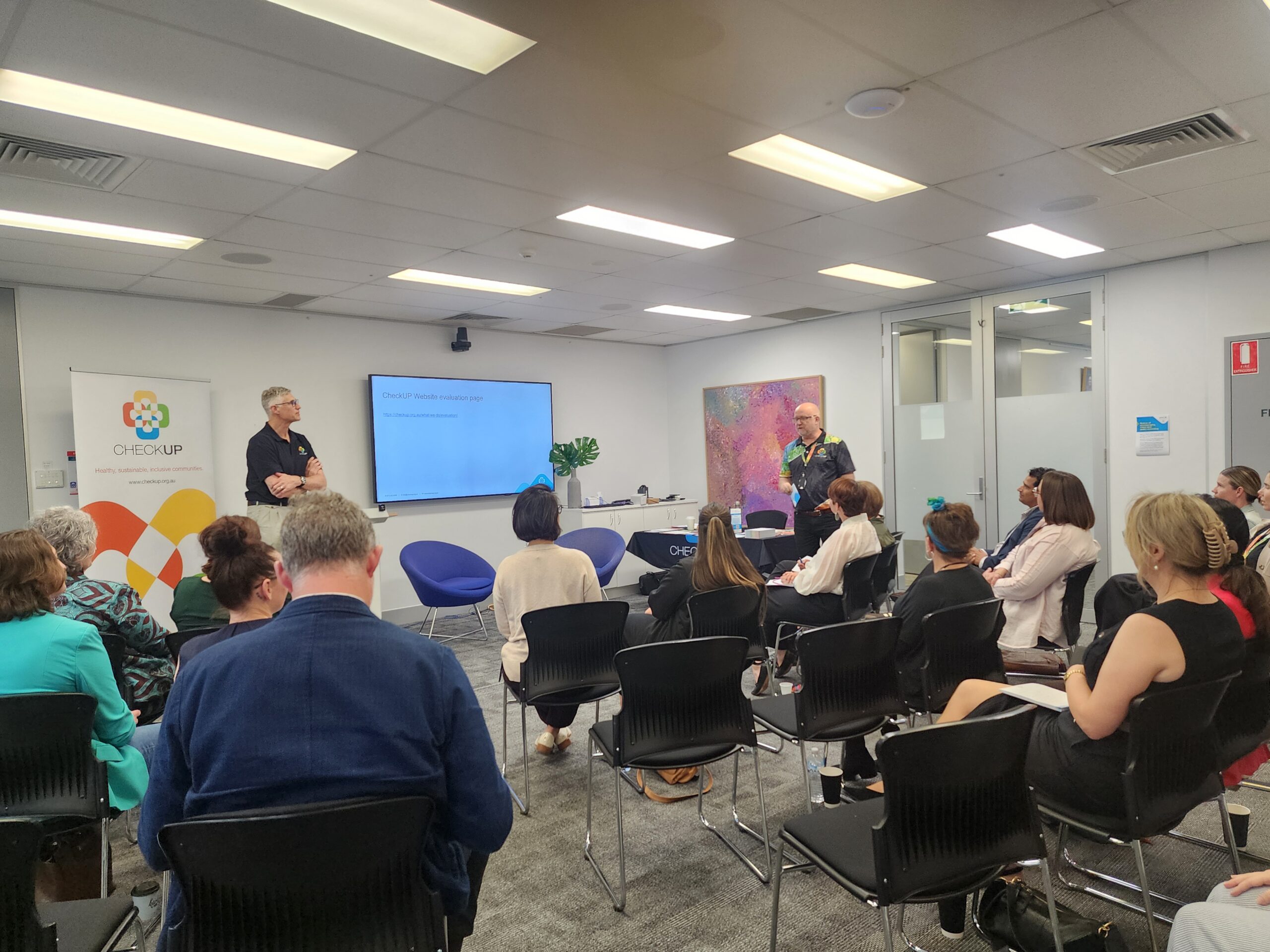
Tony de Ambrosis addressing attendees at the QPHCN event
Tony de Ambrosis addressing attendees
“You guys have a very sophisticated model, and it’s a model that allows us to review what’s going into a region and pivot if necessary quickly to meet additional needs. I think that’s unique to CheckUP.” Tony de Ambrosis, CEO ▶ Watch this moment

That flexibility comes down to how the funding works. Rather than block funding providers upfront, CheckUP pays on a per visit basis once a service has been delivered and reported.

“It allows us to have amazing oversight at a visit, service, stage or regional level, whatever level we want. We can see money going out the door and what money isn’t, and that lets us respond quite quickly to certain events, knowing we’ve got funding available in those areas.” Elise Gorman, General Manager, Health Services ▶ Watch this moment
Video not loading? Watch it directly on YouTube.

In 2025-26, that model reached more than 175 communities through a network of 164 contracted providers, 40 percent of whom have delivered outreach services for 10 years or more.

175+
Communities reached
164
Contracted providers
18,296
Visits delivered
189,975
Occasions of service
60%
Occasions of service to Aboriginal and Torres Strait Islander patients

An independent BDO review found CheckUP’s outreach services return between $1.32 and $1.92 to government for every dollar invested, alongside cost savings of up to $19.9 million from reduced pressure on emergency departments and hospital admissions.

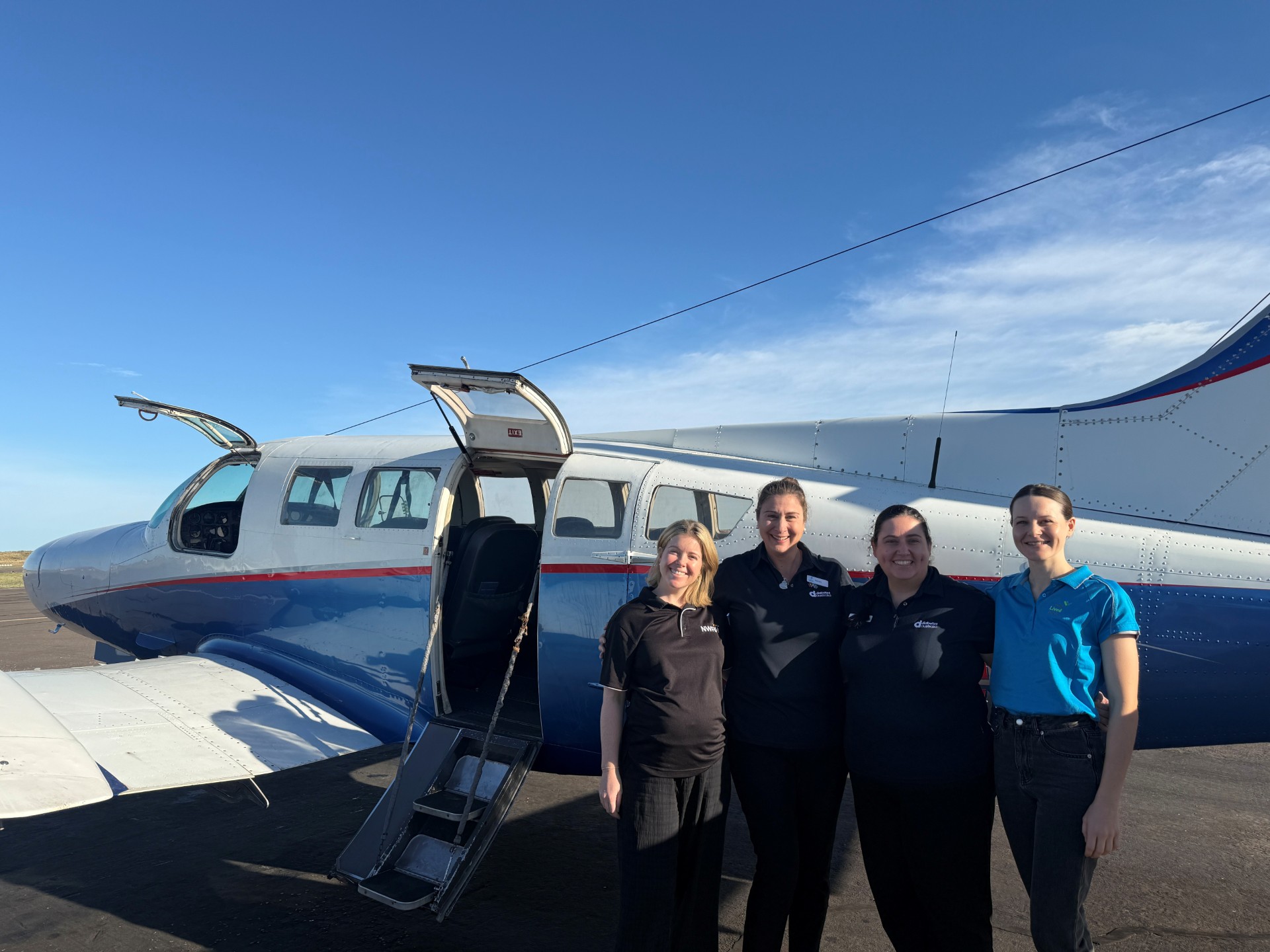
Three organisations, one plane, six communities

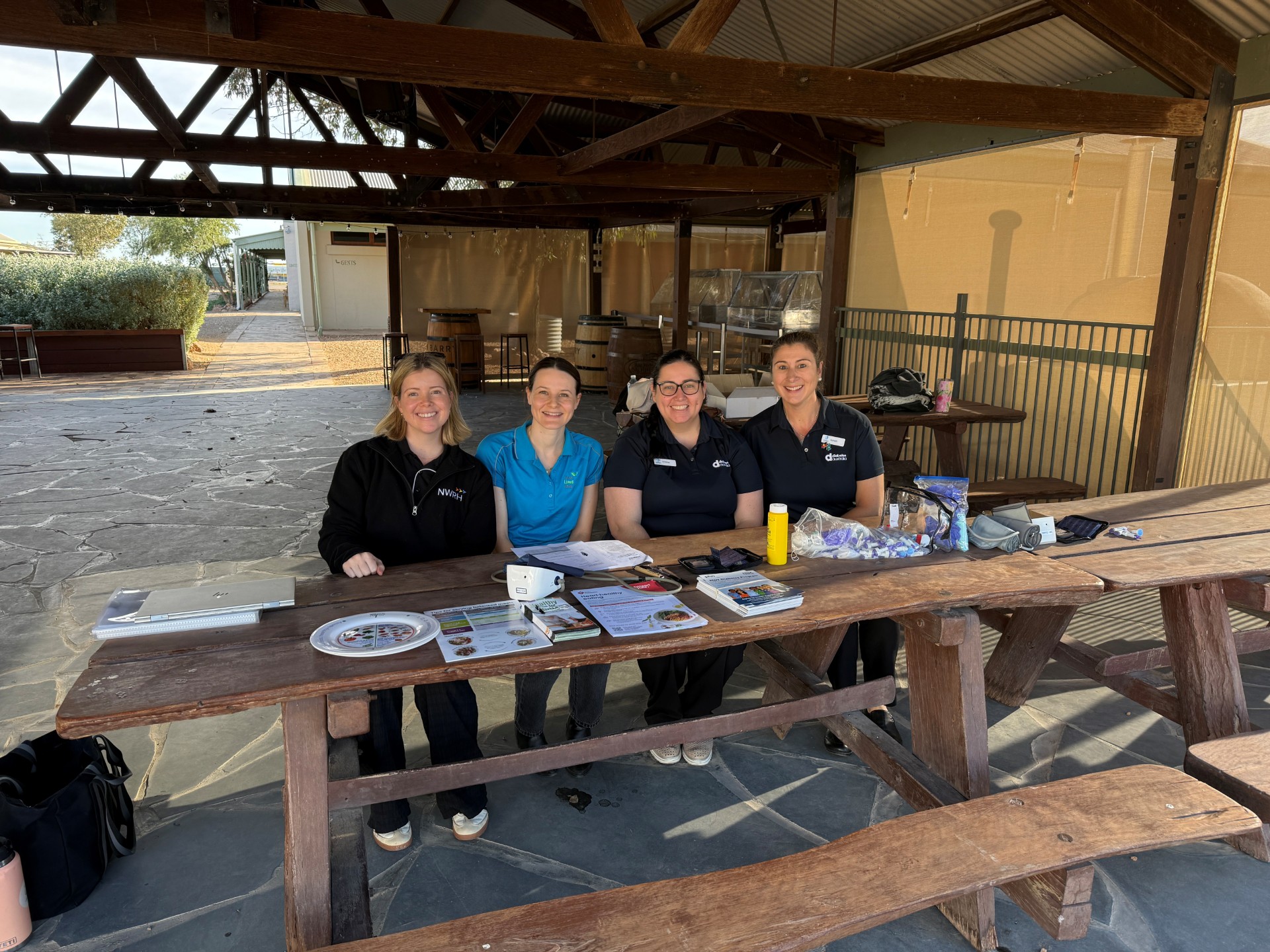
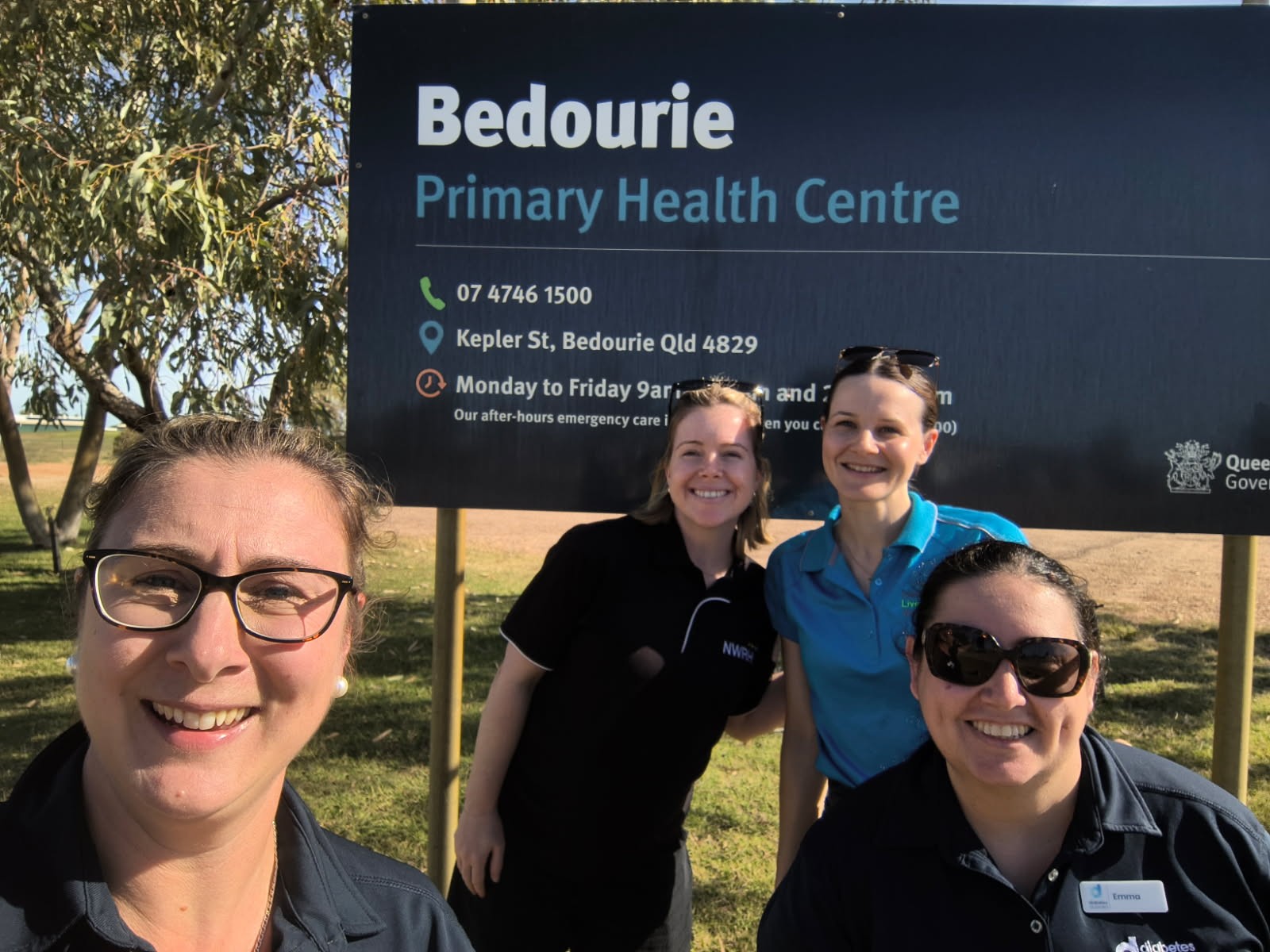
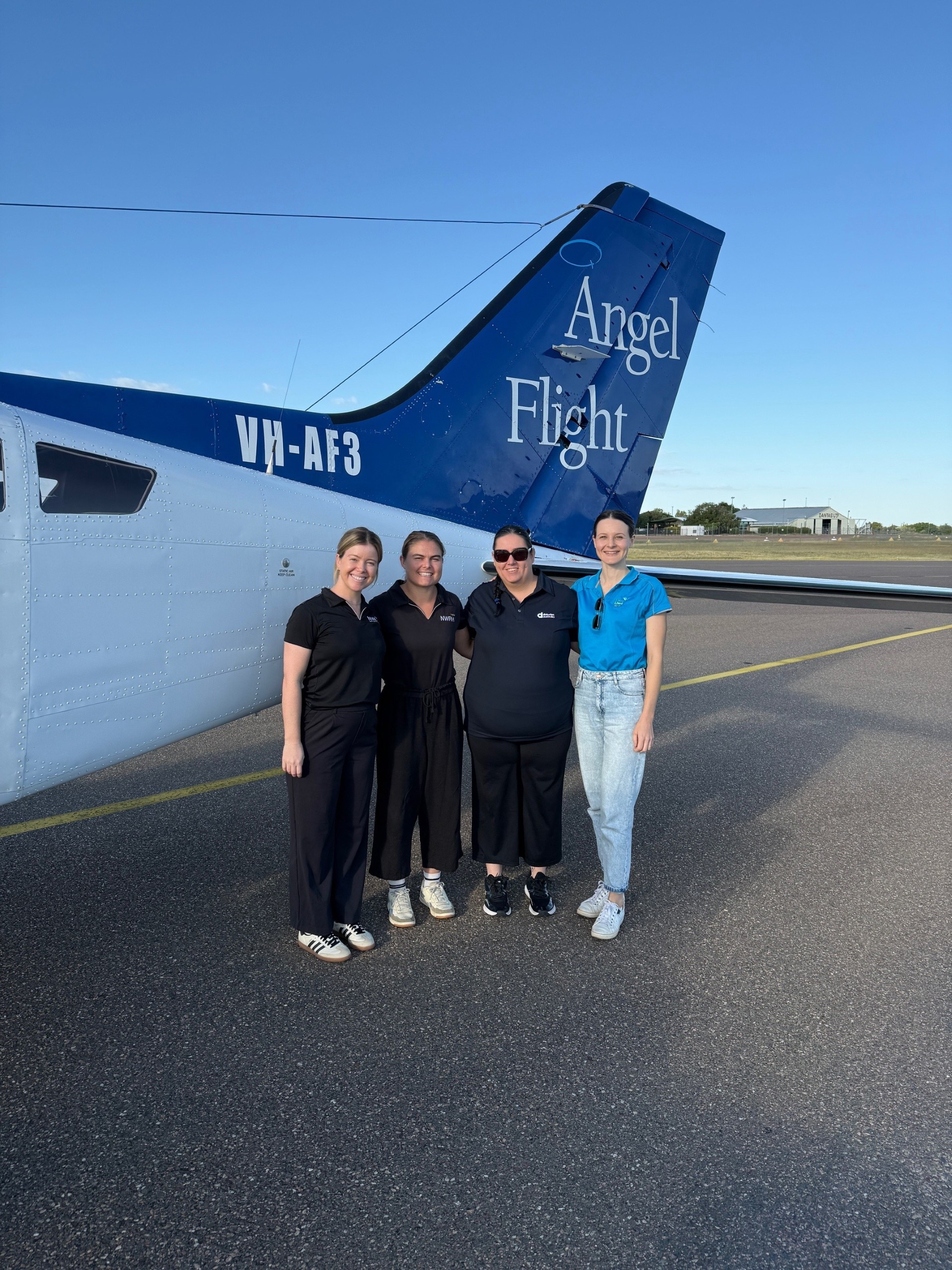
One of the clearest examples of that flexibility in action came from the western corridor, where Diabetes Australia, Lives Lived Well, Central West HHS, North West Remote Health and the Royal Flying Doctor Service came together to deliver a multidisciplinary diabetes program, supported by a charter flight funded through CheckUP.

People living in remote and very remote Australia are around 1.4 times as likely to be living with type 2 diabetes as those in major cities, according to the Australian Institute of Health and Welfare, and diabetes-related complications account for around a quarter of all potentially preventable hospitalisations across the western Queensland region.

“The charter flight wasn’t just about transport. It’s about building relationships, strengthening referral pathways, and creating a more connected service system so people living in regional and remote communities can access the coordinated care they need.” Amber Hanks, Eye and Ear Surgical Services Manager ▶ Watch this moment

North West Remote Health’s Sarah Bohan, who leads a multidisciplinary team of 45 allied health professionals delivering outreach to more than 30 communities, shared the on-the-ground result in a pre-recorded presentation: two joint visits across six communities, including a “sip and screen” event that brought a diabetes educator, podiatrist, clinical lead and counsellor together in one place. Fifty-three people were screened on the day, many accessing care outside their usual schedule entirely because the visit happened at all.

“Post code shouldn’t be a barrier to accessing quality healthcare.” Sarah Bohan, General Manager Allied Health, North West Remote Health ▶ Watch this moment

Catching skin cancer before it becomes urgent

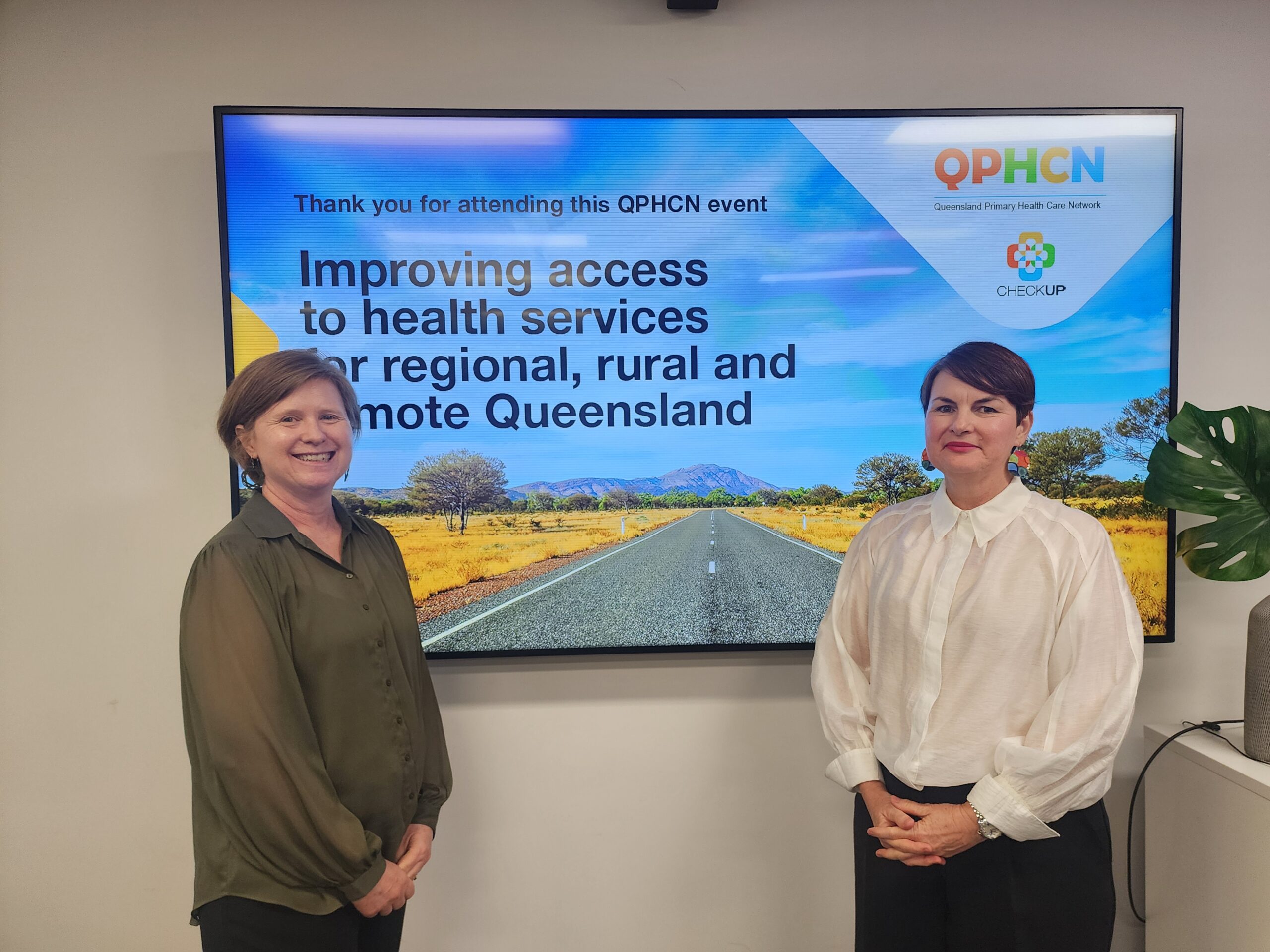
Cathie Gillan and Mary-Anne Quilter at the QPHCN event
Cathie Gillan, Queensland Health, and Mary-Anne Quilter, Manager, Cancer Prevention

Queensland has the highest skin cancer rate in the world, and access to a GP with specific skin cancer experience is limited in rural and remote areas. That gap is what led Queensland Health to commission CheckUP to deliver the Skin Cancer Early Detection program, known as SCED.

“There’s no point turning up somewhere and doing a pop-up thing and saying you’ve got a problem, need to see someone. Well, where’s that someone you’re going to see?” Cathie Gillan, Queensland Health ▶ Watch this moment

Since the program began in mid-2023, SCED clinics have been delivered in 18 communities across central Queensland, Mackay, Townsville and the north west and south west hospital and health service regions, running 187 clinics and seeing 4,060 patients across 4,140 occasions of service.

4,060
Patients seen
1,199
Received pre-cancer treatment
774
Histologically confirmed cancers detected, around one in five patients seen

Skin cancers detected by type:

Basal cell carcinoma607
Squamous cell carcinoma502
Melanoma (10 invasive)51

Patient feedback backs up why the model works. Ninety-nine percent of patients reported overall satisfaction with the service, and 46 percent said they would need to travel two or more hours to access a similar service elsewhere. Around a quarter said they simply wouldn’t have had a skin check at all if SCED hadn’t come to town.

“We have a six hour turnaround drive to Townsville, so this service is a godsend to us at our age.”

SCED patient

“Accessibility was a big factor for attending today’s appointment. Previous checks were postponed due to distance.”

SCED patient

Underspend in the program’s early years also opened the door to upskilling local GPs. Five full day workshops trained 98 doctors across Rockhampton, Mackay, Townsville, Roma and Mount Isa, and a co-sponsored dermoscopy scholarship with the Skin Cancer College of Australasia drew more than 70 applications for just 14 places.

The difference a familiar face makes

Some of the morning’s most affecting moments came from Nicole Byrne, who has spent six years as Eye Health Coordinator with Gidgee Healing, travelling monthly to communities across the Gulf including Mount Isa, Doomadgee, Normanton and Burketown. Her role sits within an eight-year partnership between the Fred Hollows Foundation, CheckUP, Palm Island Community Company and Gidgee Healing.

One story stayed with the room. A client known as Miss Millie had been referred for cataract surgery a decade earlier and had slipped through the system ever since, appearing to be completely blind by the time Nicole’s team found her. After a false start when a Brisbane surgery was delayed on the day, a Gidgee Healing staff member accompanied her back for a second attempt.

“She’s now, I see her around town, walking on her own independently. She can shop, she can shower herself. It’s just great to see someone who has fallen through for so long finally get the service and the surgery that they need.” Nicole Byrne, Eye Health Coordinator, Gidgee Healing ▶ Watch this moment
“It’s definitely the people in the community. It’s someone’s mum, someone’s grandma. It could be something as small as dropping a pair of glasses off at someone’s house, and the day that they have, they can go to bingo and see the numbers.” Nicole Byrne, Eye Health Coordinator, Gidgee Healing ▶ Watch this moment

Proving what patients already know

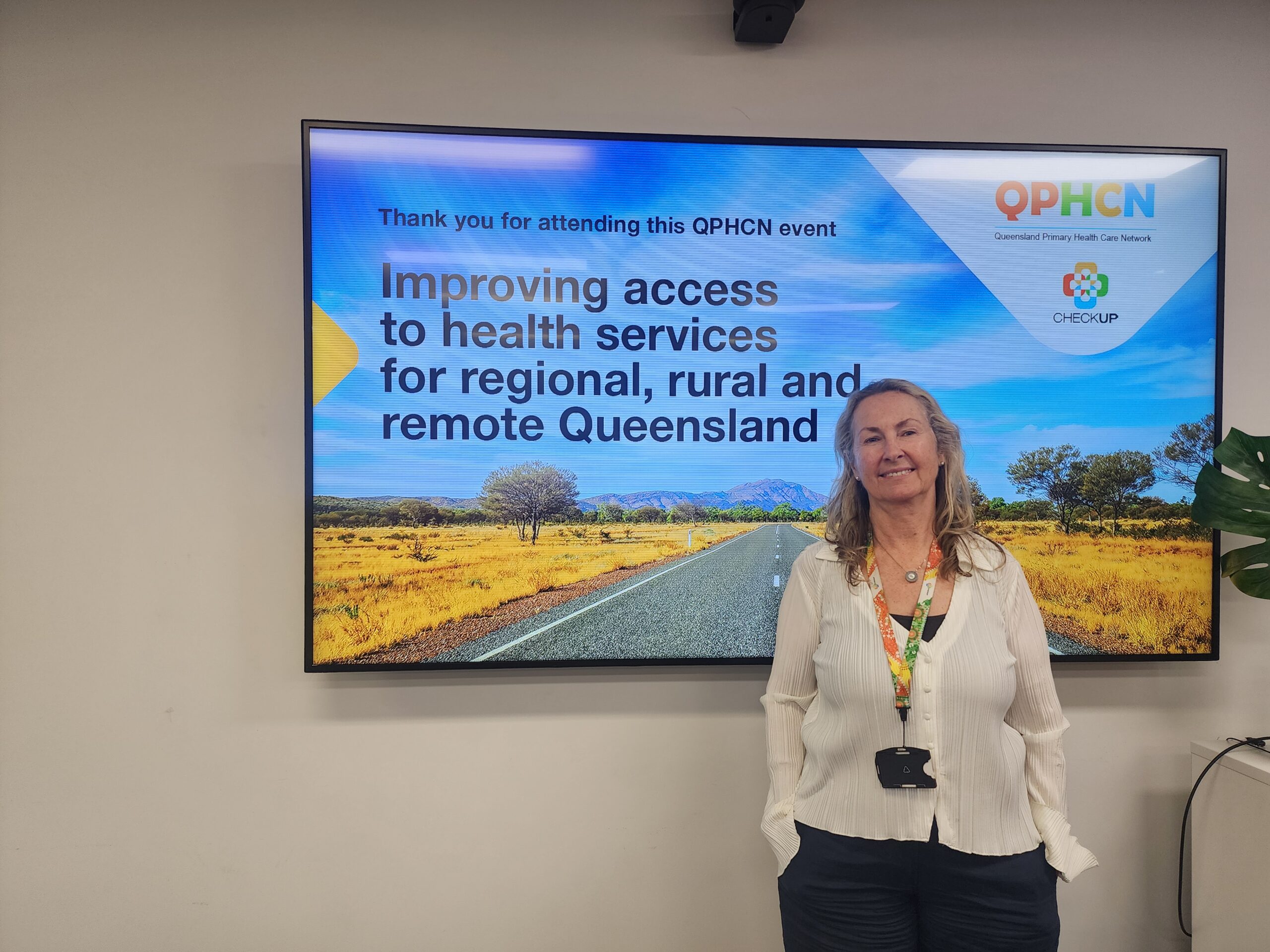
Philippa Hawke, Evaluation Lead, at the QPHCN event
Philippa Hawke, Evaluation Lead

CheckUP’s Evaluation Lead Philippa Hawke closed the session with a look at how patient feedback gets collected across a network as varied as CheckUP’s, and used to actually improve services rather than sit on a shelf. Since July 2024, CheckUP’s outreach patient survey has produced results across the network.

1,118
Patient responses
343
Aboriginal and/or Torres Strait Islander respondents
145
Practitioners covered
70
Locations
52
Individualised provider reports
90
Net promoter score
“To hear that our patients are actually really appreciative, I mean, we knew they liked us, but to see the hard data of what things we’re doing well just keeps us motivated to keep going out there.” Philippa Hawke, Evaluation Lead ▶ Watch this moment

What we’re taking forward

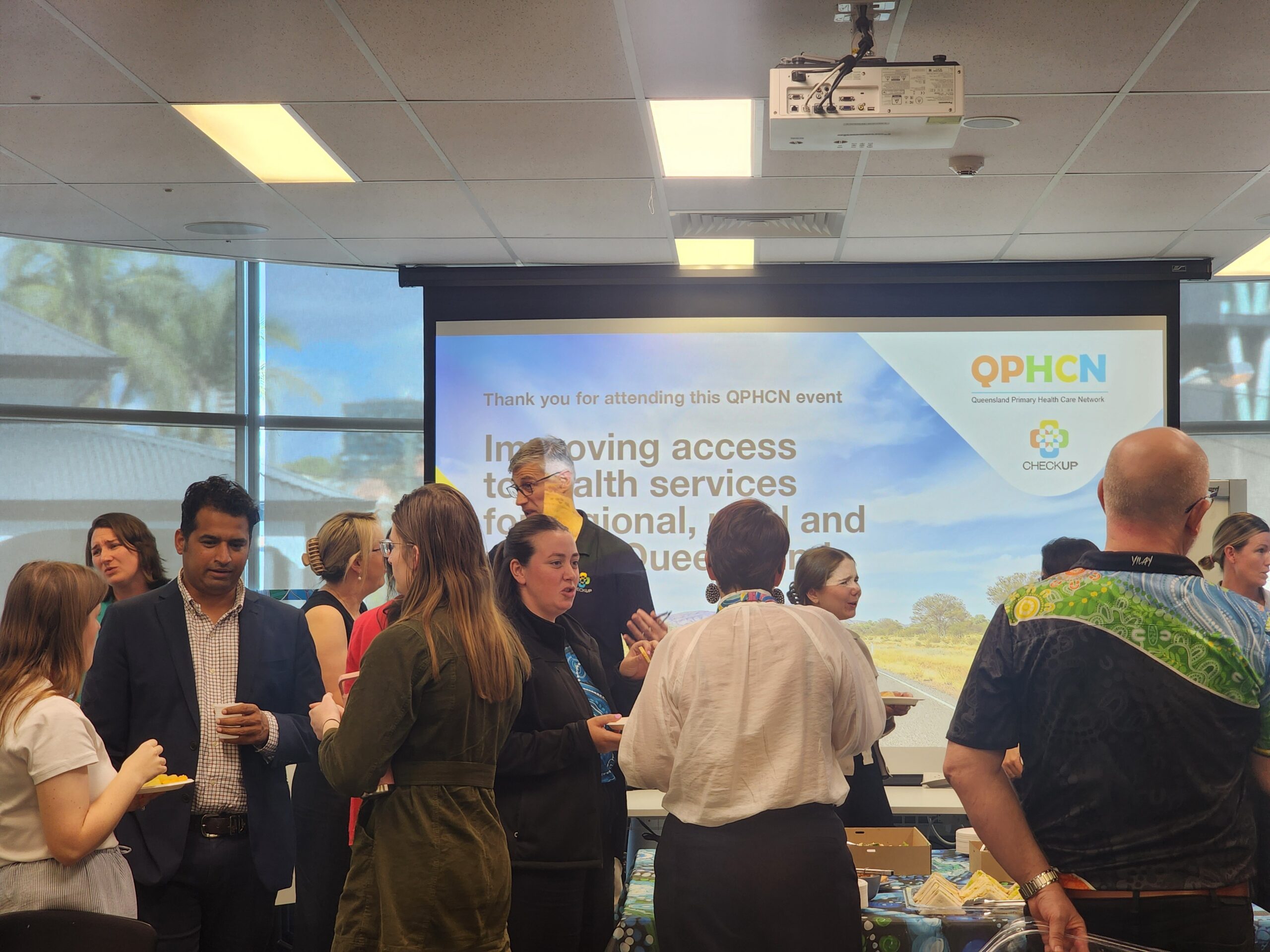
Attendees networking at the QPHCN event

The morning was a reminder that behind every statistic on outreach visits and occasions of service sits a specific person, in a specific town, who got to see a doctor, a podiatrist or an optometrist without leaving their community to do it. That’s the throughline across every program CheckUP coordinates, and it’s what the team continues to build toward with each new partnership and each new region.

Want to join us next time? Subscribe to CheckIN and we’ll keep you in the loop on upcoming QPHCN events and outreach stories like this one.

Sign up to CheckIN
CheckUP’s Outreach programs are funded by the Australian Government Department of Health, Disability and Ageing and the Queensland Government.

CheckIN Issue 236 – August 2026

Enjoy the August edition of CheckIN, CheckUP’s member newsletter. Learn about CheckUP’s programs, news and events, plus discover health industry news and more.

Subscribe to our newsletters HERE, to stay up to date with our initiatives, and more.

READ NEWSLETTER

Checkin Issue 231 – March 2026

Enjoy the March edition of CheckIN. Read it to learn all about CheckUP’s programs, news and events, plus discover industry news and more.

Subscribe to our newsletters HERE, to stay up to date with our initiatives, and more.

READ MORE

CheckUP’s 2024-2025 Annual Report is available to view now!

CheckUP celebrates the release of our 2024-2025 Annual Report.

CheckUP’s Annual Report was launched at the Annual General Meeting (AGM) held on 26 November 2025.

Read the Annual Report HERE.

The FY2024-2025 Audited Annual Financial Report (including Director’s Report) is available HERE.

CheckUP is proud to share the progress the organisation has made in advancing health equity across Queensland. 2025 marks 26 years of operation for CheckUP, and the organisation has stayed true to its guiding purpose: to ensure that every person, regardless of geography, has access to quality healthcare and the opportunity to live well.

In 2024-2025, CheckUP supported the delivery of over 180,000 occasions of services through 17,726 Outreach health service visits across more than 170 communities, including remote Aboriginal and Torres Strait Islander communities.

CheckUP’s Queensland Government-funded Workforce and Industry programs expanded and strengthened career pathways, sector capability, small business resilience and supported people with disability. Additionally, the Health Gateway to Industry Schools project inspired the next generation of healthcare workers through Career Expos in Cairns and Brisbane, with more than 2,500 students and industry professionals attending.

Collaboration has been central to the organisation’s impact, and the range of healthcare and workforce initiatives and programs would not have been possible without the support of our members, partners, funding bodies, Primary Health Networks, Hospital and Health Services, and Aboriginal Community Controlled Health Organisations. We recognise and thank our partners for your ongoing support and commitment.

CheckUP’s CEO, Ann Maree Liddy and Board Chair, Merrilyn Strohfeldt reflected, “As we look ahead, our focus remains on strengthening partnerships, supporting workforce sustainability, expanding access to care, and embedding cultural safety and inclusion in all aspects of our work. We extend our sincere thanks to our Board, staff, outreach providers, members, partners and community leaders for their ongoing commitment and support.

Together with our members and stakeholders, we are working towards a healthier, more equitable Queensland.”

READ THE ANNUAL REPORT
View the 2024-2025 Annual Report on Issuu

Read the FY2024-2025 Audited Annual Financial Report (including Director’s Report) HERE
Watch the 2024-2025 Annual Report video below

CheckIN eNews October 2025

CheckIN enews July 2025

Stay up to date with all the latest news from the CheckUP team.

Read newsletter

CheckIN eNews June 2025

Stay up to date with all the latest news from the CheckUP team.

Read Newsletter

Blog | Meet Mary-Anne Quilter, Program Manager – Skin Cancer Early Detection (SCED)

From coordinating skin cancer early detection clinics to organising upskilling workshops for GPs and travelling to rural and remote communities, Mary-Anne Quilter is committed to increasing awareness about skin cancer and improving access to early detection and treatment. 

Keep reading CheckUP’s new blog to learn more about Mary-Anne and her program. 

How long have you worked at CheckUP?

I’ve worked at CheckUP for a total of 7 years on a number of different programs. I’ve been managing the SCED program for close to 2.5 years. 

What do you enjoy about the Skin Cancer Early Detection (SCED) program?  

I enjoy the dynamic nature of outreach work and admire the adaptability of our service providers.

The opportunity to visit rural and remote communities and to see our services in action is a particular highlight.  I also get a lot of satisfaction from knowing that people who wouldn’t normally have access to a skin doctor are able to get their skin checked. Many tell us that if our SCED clinics weren’t available in their towns, they would not have their skin checked or potentially life-threatening skin cancers removed. 

What motivated you to apply for the SCED Program Manager role? 

This was a new program for CheckUP, funded by the Queensland Government. I saw it as a great opportunity to provide a very targeted response to a critical health issue in Queensland, which has the unenviable title of ‘Skin Cancer Capital of the World’. Initiating new programs and projects is something that really excites me, and in particular the opportunity to engage with key stakeholders and build those relationships over time. 

What are common misconceptions about skin cancer? 

Sun safety messaging has been consistent for many years but I think there needs to be more education, particularly around how to do a self-skin check. It’s important to know your own skin, be aware of any changes that occur and if concerned, have them checked. 

What are 5 ways to reduce the risk of developing skin cancer? 

  • Slip on protective clothing like long-sleeved shirts 
  • Slop on sunscreen – SPF50+ broad-spectrum and water resistant – and apply generously and every 2 hours (1 teaspoon per limb) 
  • Slap on a broad-brimmed hat 
  • Seek shade – trees, gazebos or even your own umbrella! 
  • Slide on sunglasses to protect your eyes. 

Where can people find out more about staying safe in the sun? 

Cancer Council Queensland has some great resources! 

For learning about what to look for on your skin, download Cancer Council’s poster. 

Read this article for the correct application of sunscreen information: 5 steps to applying sunscreen correctly | Cancer Council NSW 

Is there anything else you would like to add? 

Outdoor workers, those with fair skin and those with a family history of skin cancer are at highest risk of developing skin cancer. If you have any concerns about your skin, see your GP as a starting point for a skin check.  


Images: Check out the images below which show Mary-Anne and Mirabelle Brown, CheckUP Outreach Coordinator on the road in regional Queensland.

Learn about Skin Cancer Early Detection Service

Critical Skin Cancer Education Scholarships

Skin Cancer College Australasia has partnered with CheckUP and the Queensland Government to help more Queenslanders access skin cancer early detection services.

If you are a General Practioner (GP)* committed to making a positive impact and supporting Queenslanders in early skin cancer detection and treatment, apply today.

Why submit your application?

This new initiative will support 12 GPs based in regional Queensland to access world-leading education to help them better detect and treat the potentially deadly disease.

Who can apply?

*These scholarships are for GPs practicing in the following HHS regions: Mackay, Townsville, North West, South West, Central Queensland and Central West.

What will the scholarship include?

Introduction to Skin Cancer course (6.5 CPD hours) and Certificate of Dermoscopy (27 CPD hours).

Who will deliver and fund the training?

The initiative, which will be delivered and jointly funded by Skin Cancer College Australasia and the Queensland Government through CheckUP’s Skin Cancer Early Detection (SCED) program, aims to upskill GPs based in rural, regional, and remote locations where such services are limited or non-existent.

The Skin Cancer Early Detection Program is proudly supported by the Queensland Government.

How will this training support Queenslanders?

Queensland has the highest rate of both melanoma and non-melanoma skin cancers, making it the skin cancer capital of the world. Since the SCED program commenced in mid-2023, 1,957 Queenslanders living in rural and remote communities have accessed a skin cancer early detection clinic and had their skin checked. Of these patients, 563 received treatment for suspected skin cancers with 67% of these patients having histologically proven cancers detected. Through this training, more Queenslanders will be able to access vital skin cancer checks, early detection, and treatment.

Scholarship Launch

Read about the Skin Cancer Education Scholarships launch held at the Australasian Skin Cancer Congress on the Gold Coast. Queensland Deputy Premier, Hon Jarrod Bleijie, attended alongside his mum Christine, a melanoma survivor, and announced the initiative.

Update: The scholarship application period has now closed. Thank you for your interest.

About Skin Cancer College Australasia

The Skin Cancer College Australasia (SCCA) provides a strong and collective voice to skin cancer medicine practitioners across Australia and New Zealand. They lead education excellence in the Trans-Tasman region and aim to ensure high quality, equitable access to the diagnosis, treatment and ongoing management of skin cancer to patients and communities across Australia and New Zealand.

About CheckUP

CheckUP is a not-for-profit organisation dedicated to improving the health and wellbeing of people and communities in need, especially those in rural, regional, and remote areas. We are committed to advancing equity in healthcare by strategically collaborating at both regional and local levels, ensuring that health and community services are more accessible and responsive to people who need them most.


Images: The images below show patients undergoing skin checks.

Skin Patrol are pictured with a patient.

Submit your Skin Cancer College Australasia Scholarship Application

Join CheckUP and Mt Isa Regional Jobs Committee for morning tea and learn about the business and workforce planning supports available for your business.

Register for the event.

For further information contact:

Stuart Coward | Industry Workforce Advisor (Community Services) | CheckUP Australia
M: 0417 282 372 | P: 07 3105 8301 | scoward@checkup.org.au

Chris Ruyg | Senior Practitioner | 54 Reasons
M: 0459 789 678 | chris.ruyg@54reasons.org.au


The Industry Workforce Advisor program is supported and funded by the Queensland Government.