Search

Search

Suggestions

Outreach programs

Membership

Health workforce

Health services

Online training

Provide feedback

Queensland Mental Health Week

Who we are

CheckUP works with partner organisations and health providers to create healthier communities and reduce health inequities through a range of initiatives.

View all

Partner with us

There are so many ways you can support the work of CheckUP and our vision of better health for the people and communities that need it most.

View all

News & publications

Read the latest news and publications from CheckUP.

View all

Manngoor Dja Aboriginal Health Services’ Mob Pod mobile health van visits Brisbane CheckUP office

In August, the Manngoor Dja Aboriginal Health Services’ Mob Pod mobile health van visited the Brisbane CheckUP office!

The van, with its striking artwork by Lyndon Davis, brightened the street and drew in many curious onlookers.

The Mob Pod team in attendance included Mark Sidaway – Mob Pod Outreach Officer, Clare Villalba – Research Support (on secondment to Manngoor Dja from the Department of Health, Commonwealth Government), and Paul Penumala – Mob Pod Project Manager. The team has successfully secured Innovative Models of Care (IMOC) grant funding under the Health Workforce and Rural Access Program (Commonwealth Government) to deliver this innovative service.

Mark provided the CheckUP team with a tour of the digitally enabled mobile clinic, showcasing its fit-out and features that allow delivery of both face-to-face and telehealth health services. Inside, the Mob Pod is set up to host visiting clinicians and allied health professionals, supporting culturally appropriate care for Aboriginal and/or Torres Strait Islander communities.

The Mob Pod travels to communities outside the Gympie and Noosa regions where healthcare access is limited — including Tin Can Bay, Pomona, Curra, Glenwood, Cooroy, Rainbow Beach, Cooloola Cove, Imbil, Amamoor, and outreach to Widgee, Chatsworth, Tamaree, and Gunalda. Its mission is to address critical gaps in access, reduce potentially preventable hospitalisations, improve health outcomes, and strengthen community connections.

This visit to CheckUP was part of a three-day road trip to showcase the van to potential partners, including University of Queensland (UQ), University of Southern Queensland (UniSQ), Health and Wellbeing Queensland, Sunshine Coast Hospital and Health Service (SCHHS), Country to Coast Queensland Primary Health Network (CCQ PHN), Gympie Regional Council, and Noosa Council.

The Mob Pod project is guided by a governance committee of local and state government representatives, health services, primary health networks, rural universities, and research partners. It aligns with Closing the Gap, the Queensland Health Equity Strategy, and the National Aboriginal and Torres Strait Islander Health Plan 2021–2031.

To learn more about the Mob Pod and its work, visit www.ncacch.org.au/mobpod.

Mental Health in the Workplace Insights from:

Carole Cooper Consulting


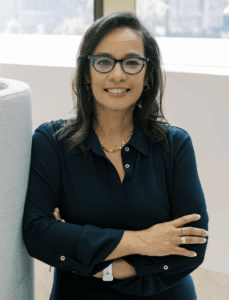
Carol Cooper


As we prepare for CheckUP’s next Queensland Primary Health Care Network (QPHCN) forum on 4 September 2025, CheckUP is proud to highlight the perspectives of one of our valued partners and event sponsor, Carole Cooper Consulting.

Carole previously led the People & Culture function for global ASX-listed company Flight Centre, sat down with us and shared her thoughts on mental health at work.

Rising anxiety and depression

Carole highlighted the importance of discussing mental health challenges openly to ensure people can access support.

“The trend that I have noticed over the last five years has been the rising rates of anxiety and depression in the workplace… hiding away from it and not acknowledging it is actually making it worse for people.”

Burnout in the healthcare sector

With healthcare workers on the front line, their self-care can often be neglected.

“Particularly in the healthcare sector, is burnout and compassion fatigue… people working in healthcare, they are always caring for other people. And they generally, I find in my experience, don’t care for themselves as much.”

On loneliness and disconnection:

“I have certainly found in the work that I’ve done with organisations that have a complete work-from-home system in place, people are finding it really lonely, and it obviously is impacting their culture.”

Carole’s insights shine a light on the need for intentional communication, connection, and community-building, particularly with remote and rural work, plus virtual environments.

These challenges—burnout, disconnection, and rising mental health concerns—underscore the importance of early intervention and open dialogue. As Queensland Mental Health Week approaches, the QPHCN forum offers a timely opportunity to spark meaningful conversations and strengthen support networks across the sector.

Carole’s message is clear: workplaces must foster environments where people feel safe, supported, and empowered to thrive.

A simple, practical self-care tip for healthcare workers:

“For your lunch break, schedule a time to go for a walk. I know it sounds really simple, and we are so busy that we just barely eat lunch… but make the time. And as leaders, we need to really support our people in doing that.”

Hear more from Carole Cooper at CheckUP’s next Queensland Primary Health Care Network (QPHCN) forum!

The Connect for Mental Health QPCHN event is a dedicated space for leaders and professionals in the primary healthcare sector to connect, collaborate, and discuss pressing issues. This 90-minute session will focus on the crucial topic of mental health, providing valuable insights and fostering collaboration in the lead-up to Queensland Mental Health Week.

The 2025 Queensland Mental Health Week theme is ‘Connect for Mental Health’. Download the QPHCN event flyer 


Meet Carole Cooper

Carole Cooper

With more than 25 years of experience across business and People & Culture, Carole Cooper is recognised as one of Australia’s leading experts in cultural transformation with a particular focus on challenging workplaces not delivering on potential.

Her clients say they:

  • Gain clarity on where to focus their efforts to strengthen culture and performance
  • Feel confident in sustaining culture change beyond the initial shift
  • Build the commercial maturity of their organisation without losing sight of people
  • See higher levels of engagement, accountability and ownership at every level

To find out more, or to connect with Carole, please visit www.carolecooperconsulting.com

Building homes for all Queenslanders – Now and for the future

As fifty-two (52) organisations representing people with disability, older people, families/carers and the disability, housing and community sectors, we strongly support Queensland’s continued implementation of the Livable Housing Design Standard (LHDS) under the National Construction Code.

Everyone needs a place to call home that meets their needs. Accessible housing is not a luxury; it’s a basic human right for all people. We are an ageing population and also with disability mobility needs. It is critical that the homes we build today must meet the needs of both today and tomorrow’s Queenslanders.

The Queensland Productivity Commission’s Interim ReportOpportunities to Improve Productivity in the Queensland Construction Industry released on Thursday 31 July 2025 recommended that Queensland opt out of these Livable Housing Design Standards unless a net benefit to the State can be demonstrated. The Queensland Productivity Commission has argued that the new minimum accessibility standards in the National Construction Code fail to meet the required economic test, relying on analysis by the Centre for International Economics (CIE). However, the CIE’s findings have been contested across multiple reports, and it is important that we consider the social and societal outcomes and benefits of accessibility.[i]

Accessibility costs little up front (around 1% of build costs), but saves millions in health, aged care, and retrofit expenses. Building right the first time is cheaper than fixing later. This is confirmed by new research by the Melbourne Disability Institute, which shows that when the full benefits and full costs of LHDS are properly accounted for the benefit-cost ratio is at least 1.7.[ii]

LHDS ensures the homes we build today are accessible, safe and future-proof.

Queenslanders deserve homes that are not only affordable, but livable and accessible – homes that let people live independently, age in place, leave hospital faster, and be part of their communities.

Rolling back the LHDS would:

  • Deny people with disability and older people their right to safe, accessible housing and a place they can call home.
  • Undo standards in place since October 2023 that have existing flexibility through exemptions that address industry concerns.
  • Drive up long-term care in health, disability and aged care.
  • Push expensive retrofit costs to State and Commonwealth administered schemes.
  • Create national inconsistency and industry uncertainty.

Queensland cannot afford to reverse this progress.

We call on Queensland’s elected representatives to ensure we maintain mandatory implementation of the Livable Housing Design Standard and give everyone a place to call home that delivers accessibility, dignity, independence and safety for the Queenslanders of today, and for generations to come.

Media contact: Steve Coulter, PH: 0492 800 772, General Manager, Queenslanders with Disability Network

[i] The Royal Commission into Violence, Abuse, Neglect and Exploitation of People with Disability, Final Report; Volume 7, Part C: Housing, pages 671-675, the Working Together to Deliver the NDIS: Independent Review into the National Disability Insurance Scheme Final Report – Supporting Analysis, pages 665-668, and the Melbourne Disability Institute, Submission on the productivity of the Queensland construction sector, June 2025.

[ii] Carter, R. & Bonyhady, B. Economic Advice Prepared To Assist Responses To The Queensland Productivity Commission On The “Net Benefit To The Community” Of The National Building Code Regulation To Achieve Accessible Housing”26/08/25


 

Why is mental health important for cultural transformation? Read Carole Cooper Consulting’s insights

In the leadup to CheckUP’s next Queensland Primary Health Care Network (QPHCN) forum on 4 September 2025, focused on connecting for mental health, we sat down with proud event sponsor and Cultural Transformation Expert, Carole Cooper Consulting, and gained insights into workplace culture and mental wellbeing.

We asked Carole why mental health is important for cultural transformation and for the people we support?

Carole said, “Psychological safety is the buzzword at the moment, but from my perspective, it really is about having a great, healthy culture. If you have a good culture… you will have psychological safety.”

“If you have a great culture, your people will reflect that with the people that they deal with every single day. And a great culture will also help you look after your people in a really meaningful way.”

The cost of poor mental health

We asked Carole about the impact of poor mental health in the workplace.

Carole said, “It absolutely affects performance from a career perspective. If I think about productivity reduction, I think about the impact on the profit and loss of an organisation… but more importantly, it actually impacts the individual, how they make decisions, how they problem solve, how they show up to work every single day.”

Carole’s top tips for mental health for organisations

“Number one is to listen to your people, but really listen to them; find what it is that they need and how you can help them. Number two is leading by example, so modelling the way as a leader… And then thirdly is to give your people the support.”

“I think the most challenging part – is that when leaders say that they want to act, but they don’t actually act and they resist. That takes a lot of conversations for me, with that leader, to ensure that they understand the consequences and the impact that they’re having on the organisation by not acting.”

Carole emphasised the most crucial step for organisations

“If you get a bad engagement score and you don’t know what to do, there are some really simple things and simple steps that can make a huge difference to your people. But number one, act on it and act on it and act on it, because that is what’s going to make the difference.”


Hear more from Carole Cooper at CheckUP’s next Queensland Primary Health Care Network (QPHCN) forum!

The Connect for Mental Health QPCHN event is a dedicated space for leaders and professionals in the primary healthcare sector to connect, collaborate, and discuss pressing issues. This 90-minute session will focus on the crucial topic of mental health, providing valuable insights and fostering collaboration in the lead-up to Queensland Mental Health Week.

The 2025 Queensland Mental Health Week theme is ‘Connect for Mental Health’.

Download the QPHCN event flyer  |  Register for the event

Carole Cooper

With more than 25 years of experience across business and People & Culture, Carole Cooper is recognised as one of Australia’s leading experts in cultural transformation with a particular focus on challenging workplaces not delivering on potential.

Her clients say they:

To find out more, or to connect with Carole, please visit www.carolecooperconsulting.com

Register for Connect for Mental Health QPHCN Event on 4 September 2025

Connect for Mental Health at CheckUP’s September QPHCN event – proudly sponsored by Carole Cooper Consulting

Join CheckUP for the next Queensland Primary Health Care Network (QPHCN) forum, a dedicated space for leaders and professionals in the primary healthcare sector to connect, collaborate, and discuss pressing issues. This 90-minute session will focus on the crucial topic of mental health, providing valuable insights and fostering collaboration in the lead-up to Queensland Mental Health Week. The 2025 Queensland Mental Health Week theme is ‘Connect for mental health’.

Download the QPHCN event flyer  |  Register for the event

Save the date and stay tuned for the announcement of expert speakers!

Carole Cooper

With more than 25 years of experience across business and People & Culture, Carole Cooper is recognised as one of Australia’s leading experts in cultural transformation with a particular focus on challenging workplaces not delivering on potential.

Carole brings sharp insight, practical tools and grounded leadership experience to every engagement. She previously led the People & Culture function for global ASX-listed company Flight Centre, where she helped shape one of Australia’s most high-performing, people-centred workplaces at scale.

Today, Carole partners with boards, CEOs, executive teams and People & Culture leaders across Australia to shift cultures that feel stuck, disconnected or misaligned with business goals. Her work focuses on creating cultures where clarity, accountability and engagement drive sustained performance.

Carole is a trusted speaker, advisor and mentor. She facilitates executive programs, supports leadership teams in transition, and helps organisations move from well-meaning intent to meaningful, measurable change.

Her clients say they:

To find out more, or to connect with Carole, please visit www.carolecooperconsulting.com

Register for the event

Essential Disability Friendly Business Basics Training is now available for small to medium-sized businesses in Queensland  

Tuesday 10 June 2025 | For immediate distribution

Over 5.5 million Australians live with disability; 3 in 4 people live with a physical disability, 1 in 10 people experience some form of learning disability and 1 in 5 people have a mental or behavioural disability, as reported by the Australian Bureau of Statistics.

Disability Friendly Business Basics Training has been created to support small to medium-sized businesses in identifying potential barriers that stop people with disability from accessing goods or services. Being disability friendly isn’t just the right thing to do – it’s also a profitable business decision. With over 495,000 small businesses in Queensland contributing to the state’s economy (Business Queensland, 2025), small business owners are well-positioned to grow their businesses with free, practical training.

CheckUP Australia CEO, Ann Maree Liddy said, “People with disability should have the same access to quality products and experience genuine customer support, whether they are getting their haircut, shopping or calling a customer service centre. Over 1.2 million people in Queensland live with disability, and we need to support all Queenslanders fairly.

The Disability Friendly Business Basics Course is a tremendous opportunity for small business owners because people with disability are known to return to businesses that are truly inclusive and provide an excellent customer service experience.”

This new micro-credential will provide businesses with the knowledge, skills, and confidence to engage more effectively with customers with disability, deliver stronger services, build their reputation as an accessible and welcoming business, plus complement existing workplace practices and policies.

The course covers three key topics:

· Appropriate services for people with disability

· Biases and assumptions and

· Communicating and understanding behaviour.

Each micro-credential provides practical information and steps to support an inclusive customer experience. Learners can track their progress and incorporate training into their work day.

Disability Friendly Business Basics is available now at no cost.

To register for the course, visit Disability Friendly Business Basics.

This program is proudly funded and supported by the Queensland Government. 


CheckUP Australia
CheckUP is a not-for-profit organisation dedicated to improving the health and wellbeing of people and communities in need, especially those in rural, regional, and remote areas. We are committed to advancing equity in healthcare by strategically collaborating at both regional and local levels, ensuring that health and community services are more accessible and responsive to people who need them most.

Media enquiries

David Millichap, CheckUP
P. 07 3105 8300
E. dmillichap@checkup.org.au

Find out more

Critical Skin Cancer Education Scholarships now available for Queensland GP’s

16 May 2025

Today at the Australasian Skin Cancer Congress held on the Gold Coast, the Queensland Deputy Premier, Hon Jarrod Bleijie, attending alongside his mum Christine, a melanoma survivor, announced a new lifesaving initiative which will support 12 General Practitioners based in regional Queensland to access world-leading education to help them better detect and treat the potentially deadly disease.

Queensland has the highest rate of both melanoma and non-melanoma skin cancers, making it the skin cancer capital of the world.

The initiative, which will be delivered and jointly funded by Skin Cancer College Australasia and Queensland Health through CheckUP’s Skin Cancer Early Detection (SCED) program, aims to upskill GPs based in rural, regional, and remote locations where such services are limited or non-existent.

Deputy Premier Bleijie said skin cancer impacted thousands of Queensland families, including his own.

“We were all shocked when my Mum was diagnosed with melanoma in 1993,” he said.

“It started as a small, itchy mole on her back, which was removed. However, the melanoma sadly returned 13 years later as a stage 3 diagnosis. Her treatment required more surgery and the only further option at the time was to join a clinical trial to try and stop the spread of the deadly disease. We know thousands of Queenslanders have a similar story and as a Government, we are committed to improving the early detection and treatment of skin cancer for more families, just like mine.”

Christine Bleijie survived and has subsequently dedicated her life to support other people facing a diagnosis of melanoma across Australia by volunteering with Melanoma Patients Australia.

Victoria Beedle, CEO of Skin Cancer College Australasia said, “We congratulate and thank the Queensland Government for supporting this initiative. Providing high quality education on the
detection and treatment of skin cancer to our general practitioners in rural and regional areas could not be more important as they are often the only medical professional that patients can access, and we know that an accurate diagnosis can be a matter of life or death.”

CheckUP’s CEO, Ann Maree Liddy said:The Skin Cancer Early Detection Program is focused on creating fairer access to professional assessment and treatment of skin cancer for Queenslanders most in need and our new joint initiative will mean more doctors have access to high quality education they need to accurately diagnose and treat skin cancers early.”

Since the SCED program commenced in mid-2023, 1,957 Queenslanders living in rural and remote communities have accessed a skin cancer early detection clinic and had their skin checked. Of these patients, 563 received treatment for suspected skin cancers with 67% of these patients having histologically proven cancers detected.

The Skin Cancer Early Detection Program is proudly supported by the Queensland Government.

Submit your scholarship application today!

To find out more about the available scholarships for General Practitioners and how to access them visit Critical Skin Cancer Education Scholarships now available  or email education@skincancercollege.org

Learn more

About Skin Cancer College Australasia

The Skin Cancer College Australasia provides a strong and collective voice to skin cancer medicine practitioners across Australia and New Zealand. We lead education excellence in the Trans-Tasman region. We aim to ensure high quality, equitable access to the diagnosis, treatment and ongoing management of skin cancer to patients and communities across Australia and New Zealand.

About CheckUP

CheckUP is a not-for-profit organisation dedicated to improving the health and wellbeing of people and communities in need, especially those in rural, regional, and remote areas. We are committed to advancing equity in healthcare by strategically collaborating at both regional and local levels, ensuring that health and community services are more accessible and responsive to people who need them most.


Critical Skin Cancer Education Scholarships

Skin Cancer College Australasia has partnered with CheckUP and the Queensland Government to help more Queenslanders access skin cancer early detection services.

If you are a General Practioner (GP)* committed to making a positive impact and supporting Queenslanders in early skin cancer detection and treatment, apply today.

Why submit your application?

This new initiative will support 12 GPs based in regional Queensland to access world-leading education to help them better detect and treat the potentially deadly disease.

Who can apply?

*These scholarships are for GPs practicing in the following HHS regions: Mackay, Townsville, North West, South West, Central Queensland and Central West.

What will the scholarship include?

Introduction to Skin Cancer course (6.5 CPD hours) and Certificate of Dermoscopy (27 CPD hours).

Who will deliver and fund the training?

The initiative, which will be delivered and jointly funded by Skin Cancer College Australasia and the Queensland Government through CheckUP’s Skin Cancer Early Detection (SCED) program, aims to upskill GPs based in rural, regional, and remote locations where such services are limited or non-existent.

The Skin Cancer Early Detection Program is proudly supported by the Queensland Government.

How will this training support Queenslanders?

Queensland has the highest rate of both melanoma and non-melanoma skin cancers, making it the skin cancer capital of the world. Since the SCED program commenced in mid-2023, 1,957 Queenslanders living in rural and remote communities have accessed a skin cancer early detection clinic and had their skin checked. Of these patients, 563 received treatment for suspected skin cancers with 67% of these patients having histologically proven cancers detected. Through this training, more Queenslanders will be able to access vital skin cancer checks, early detection, and treatment.

Scholarship Launch

Read about the Skin Cancer Education Scholarships launch held at the Australasian Skin Cancer Congress on the Gold Coast. Queensland Deputy Premier, Hon Jarrod Bleijie, attended alongside his mum Christine, a melanoma survivor, and announced the initiative.

Update: The scholarship application period has now closed. Thank you for your interest.

About Skin Cancer College Australasia

The Skin Cancer College Australasia (SCCA) provides a strong and collective voice to skin cancer medicine practitioners across Australia and New Zealand. They lead education excellence in the Trans-Tasman region and aim to ensure high quality, equitable access to the diagnosis, treatment and ongoing management of skin cancer to patients and communities across Australia and New Zealand.

About CheckUP

CheckUP is a not-for-profit organisation dedicated to improving the health and wellbeing of people and communities in need, especially those in rural, regional, and remote areas. We are committed to advancing equity in healthcare by strategically collaborating at both regional and local levels, ensuring that health and community services are more accessible and responsive to people who need them most.


Images: The images below show patients undergoing skin checks.

Skin Patrol are pictured with a patient.

Submit your Skin Cancer College Australasia Scholarship Application

Angel Flight’s rural medi-flight service: taking health professionals to the bush and beyond

CheckUP proudly acknowledges Angel Flight’s Rural Medi-Flight Service for making healthcare accessible to remote communities and beyond.

Over the past three years, Angel Flight has seen a significant increase in demand for transporting health professionals to rural and remote communities across Australia. In response, Angel Flight launched its Rural Medi-Flight service in early 2024—an innovative approach that flips the traditional model of flying rural patients into the city by instead flying doctors, allied health professionals, and medical students directly into rural and remote communities.

The Rural Medi-Flight service aims to address the urgent healthcare gap in rural Australia while providing busy health professionals with safe, cost-efficient, and reliable air transport to hard-to-reach communities. The service is designed to bring healthcare directly to the bush, minimising travel disruptions for medical practitioners and allowing them to spend more time with patients and less time in transit.

A professional and reliable service

The dedicated air service operates to the highest standards, under the Air Transport Category, and is flown by highly experienced airline pilots with Instructor and Check and Training Captain status. Angel Flight’s health professional passengers have consistently praised the professionalism and efficiency of the service, noting that the direct flights save them valuable time, allowing for more patient care and less travel stress.

One medical professional shared, “Being able to fly directly to the community without lengthy travel connections means I can dedicate more time to my patients. The professionalism of Angel Flight’s service makes the entire journey seamless and stress-free.”

The aircraft used for Rural Medi-Flights is a comfortable 8-10 seat, cabin-class, twin-engine plane affectionately named Kayla—a tribute to an Angel Flight passenger who flew 400 missions before sadly losing her health battle at the age of 23. Kayla’s size and versatility enables it to land at all country town airfields, making it perfect for reaching remote areas.

Making an impact across Queensland

Since its launch, the Rural Medi-Flight service has flown specialists, allied health professionals, and medical students to 22 communities and counting, from Birdsville to Blackall, Monto to Mornington, the service has become an invaluable lifeline for rural areas that previously faced long waiting times or extensive travel to access medical care.

Angel Flight CEO Marjorie Pagani highlights the importance of this service:

“There is a real and immediate need to get doctors to where they’re most needed in rural Queensland—places like Burketown, Doomadgee, and Gununa. In the past 12 months alone, we’ve flown over 300 missions for health professionals in Queensland. Without a dedicated second aircraft in the north, we’re turning away missions we know could make a life-saving difference.”

Image: “Kayla” the aircraft used for Rural Medi-Flights at dusk.

A vision for national expansion

With the success of the Queensland-based service, Angel Flight is planning to expand the Rural Medi-Flight model into a national operation, with dedicated aircraft based in each capital city as well as key regional hubs like Cairns and Port Hedland. However, this ambitious vision will only be possible with government or significant private funding.

Until then, Angel Flight remains committed to sustaining its current operations, ensuring that doctors can continue reaching the communities that need care the most.

Angel Flight’s Rural Medi-Flight Service

To learn more about Angel Flight’s Rural Medi-Flight service, please contact Angel Flight’s friendly flight coordinators who work their magic every day to keep these vital services flying.

Contact: mail@angelflight.org.au
Phone: 07 3620 8300

Visit website
CheckUP Outreach
CheckUP Outreach

Interested in becoming an Outreach Provider with CheckUP?Through our range of health programs and initiatives, we have an established footprint in over 180 communities across Queensland: delivering over 170,000 occasions of service per year to Aboriginal and Torres Strait Islander people and people living in rural and remote communities.

Learn more about health services at CheckUP

Healthcare: Small business matters!

CheckUP recently co-hosted QPHCN Healthcare: Small business matters! event with Country to Coast QLD PHN.

We extend our sincere thanks to Country to Coast PHN for co-hosting this event held on the Sunshine Coast and everyone who joined us on 3 April, 2025. It was a great opportunity to connect, learn and gain insights into workforce solutions.

Gillian Ingram, Deputy Director of Education and Workforce at Country to Coast Primary Health Network, and Louise Hauser, Program Manager at Workforce Evolve, Business Chamber Queensland provided valuable insights and resources. CheckUP Workforce and Industry speakers shared information about workforce solutions, funding opportunities, and free workforce support available for small to medium-sized healthcare businesses. Additionally, CheckUP highlighted that there are resources to help strengthen the NDIS small business market and develop a skilled health and community services workforce.
Access Worforce Evolve's Presentation here
Access Worforce Evolve’s Presentation here

Louise Hauser, Program Manager at Workforce Evolve, Business Chamber Queensland provided valuable insights and resources.

Download
CheckUP Workforce team and Country to Coast co-hosted Healthcare: Small business matters!

Contact CheckUP’s Workforce and Industry Team

P: 07 3105 8300

E: info@checkup.org.au