

Search

Search

Suggestions

Outreach programs

Membership

Health workforce

Health services

Online training

Provide feedback

Queensland Mental Health Week

Who we are

CheckUP works with partner organisations and health providers to create healthier communities and reduce health inequities through a range of initiatives.

View all

Partner with us

There are so many ways you can support the work of CheckUP and our vision of better health for the people and communities that need it most.

View all

News & publications

Read the latest news and publications from CheckUP.

View all

Why is mental health important for cultural transformation? Read Carole Cooper Consulting’s insights

In the leadup to CheckUP’s next Queensland Primary Health Care Network (QPHCN) forum on 4 September 2025, focused on connecting for mental health, we sat down with proud event sponsor and Cultural Transformation Expert, Carole Cooper Consulting, and gained insights into workplace culture and mental wellbeing.

We asked Carole why mental health is important for cultural transformation and for the people we support?

Carole said, “Psychological safety is the buzzword at the moment, but from my perspective, it really is about having a great, healthy culture. If you have a good culture… you will have psychological safety.”

“If you have a great culture, your people will reflect that with the people that they deal with every single day. And a great culture will also help you look after your people in a really meaningful way.”

The cost of poor mental health

We asked Carole about the impact of poor mental health in the workplace.

Carole said, “It absolutely affects performance from a career perspective. If I think about productivity reduction, I think about the impact on the profit and loss of an organisation… but more importantly, it actually impacts the individual, how they make decisions, how they problem solve, how they show up to work every single day.”

Carole’s top tips for mental health for organisations

“Number one is to listen to your people, but really listen to them; find what it is that they need and how you can help them. Number two is leading by example, so modelling the way as a leader… And then thirdly is to give your people the support.”

“I think the most challenging part – is that when leaders say that they want to act, but they don’t actually act and they resist. That takes a lot of conversations for me, with that leader, to ensure that they understand the consequences and the impact that they’re having on the organisation by not acting.”

Carole emphasised the most crucial step for organisations

“If you get a bad engagement score and you don’t know what to do, there are some really simple things and simple steps that can make a huge difference to your people. But number one, act on it and act on it and act on it, because that is what’s going to make the difference.”


Hear more from Carole Cooper at CheckUP’s next Queensland Primary Health Care Network (QPHCN) forum!

The Connect for Mental Health QPCHN event is a dedicated space for leaders and professionals in the primary healthcare sector to connect, collaborate, and discuss pressing issues. This 90-minute session will focus on the crucial topic of mental health, providing valuable insights and fostering collaboration in the lead-up to Queensland Mental Health Week.

The 2025 Queensland Mental Health Week theme is ‘Connect for Mental Health’.

Download the QPHCN event flyer  |  Register for the event

Carole Cooper

With more than 25 years of experience across business and People & Culture, Carole Cooper is recognised as one of Australia’s leading experts in cultural transformation with a particular focus on challenging workplaces not delivering on potential.

Her clients say they:

To find out more, or to connect with Carole, please visit www.carolecooperconsulting.com

Register for Connect for Mental Health QPHCN Event on 4 September 2025

How do you build a resilient health workforce for the future?

It’s the critical question facing every health and community service provider in Queensland.

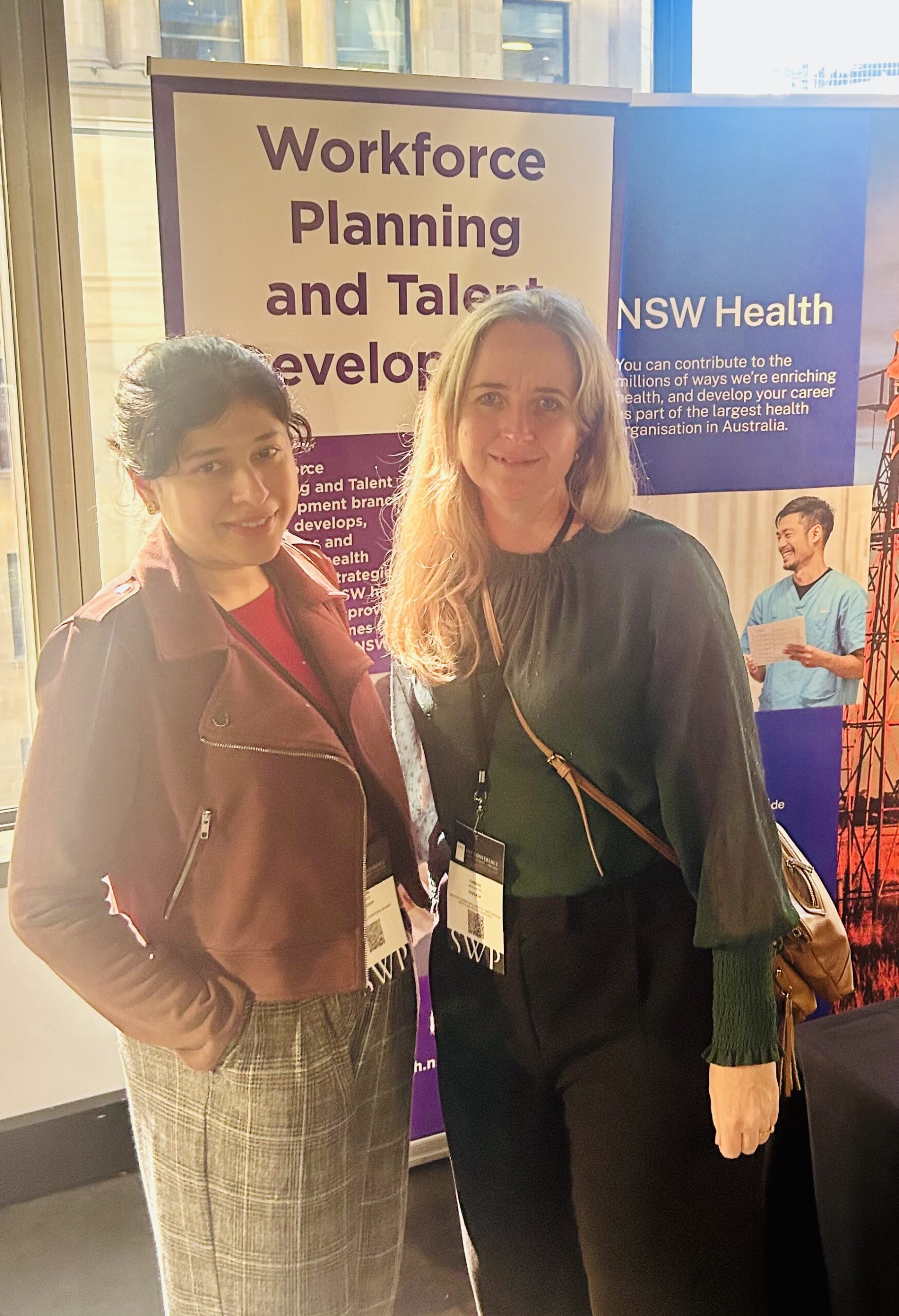
To find the answers, CheckUP’s own experts—Health Industry Workforce Advisor, Alina Khalid, and First Nations Industry Workforce Advisor, Carissa McAllister—headed to the Strategic Workforce Planning Conference in Sydney to learn from Australia’s top minds.

They returned not with complex theories, but with powerful, practical ideas. Here are the top three lessons they’re bringing back to help you shape the future of your team.

Rethinking how we care for our teams

You might not expect to find answers to healthcare challenges at 30,000 feet, but aviation giants like American Airlines and Qantas offered game-changing insights. They shared how they are tackling staff shortages and managing professional development through innovative systems that support the entire lifecycle of their pilots—from recruitment and training to wellbeing. 

This proactive and strategic approach to employee care sparked exciting parallels for how we can better attract, support, and retain our own critical medical and clinician workforces right here in Queensland. It’s a shift from simply filling roles to nurturing people and careers. 

Unleash your team’s full potential with Allied Health

A major focus from health systems across the country, including NSW, SA, Vic and Eastern Health, was the incredible value of Allied Health Assistants. 

By empowering Allied Health Assistants to handle specific tasks to free up qualified Allied Health professionals to work at the top of their scope of practice and increase impact by being able to treat more patients. 

The result? A more efficient team, improved patient outcomes, a responsive clinic environment anda strategic and sustainable, holistic business model . This a powerful reminder that building a stronger workforce isn’t just about hiring more people—it’s about leveraging and empowering your current team. 

People are looking for remote roles that are realistic and rewarding

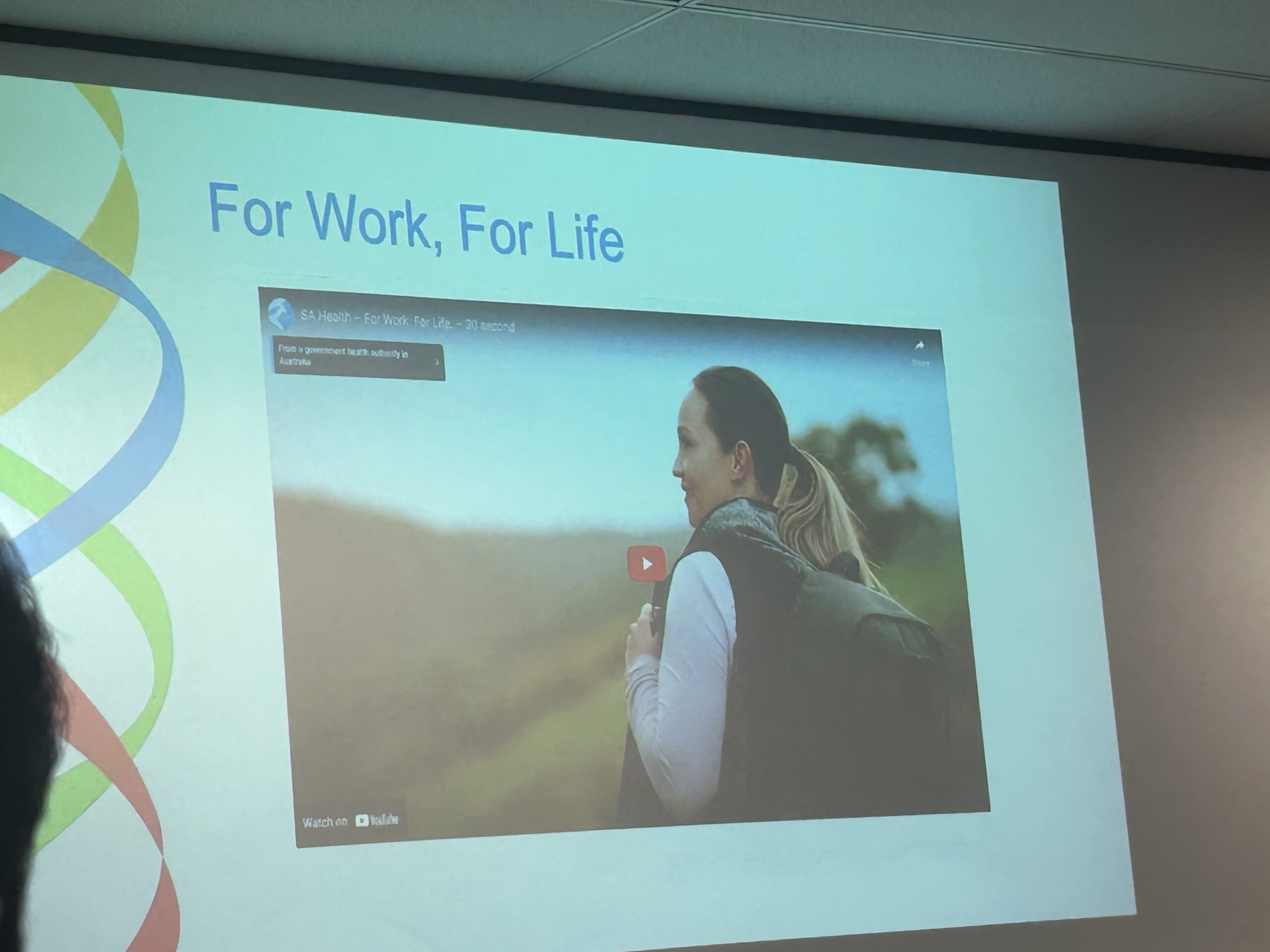
Attracting and retaining staff in rural and remote areas is one of Queensland’s biggest challenges. The conference showcased powerful stories of perseverance, such as motivating and innovative advertising campaigns to legislating incentives such as additional leave for remote health workers, and real time research to understand the demands and increments of specific roles. 

These initiatives are crucial for acknowledging the unique nature of these roles and creating environments where health professionals can work and importantly thrive. 

Reinforcing that supporting our rural and remote workforces isn’t just a policy issue—it’s a commitment to ensuring equitable care for all Queenslanders. 

Armed with these national and global best practices, Alina and Carissa are more focused than ever on helping Queensland’s Health and Community Services employers turn these ideas into action. By using data-driven insights, best practice and strategic planning, they can help you align your business goals with a workforce strategy that grows, nurtures, and retains the responsive team you need. 

“Queensland’s health and wellbeing depend on the strength of our workforce, and we’re committed to helping you plan for your people so they can thrive. 

Start your workforce journey today

Ready to future-proof your team? Contact our Industry Workforce Advisors, Alina Khalid and Carissa McAllister, to start the conversation for free workforce planning and support. 

Blog | Meet Mary-Anne Quilter, Program Manager – Skin Cancer Early Detection (SCED)

From coordinating skin cancer early detection clinics to organising upskilling workshops for GPs and travelling to rural and remote communities, Mary-Anne Quilter is committed to increasing awareness about skin cancer and improving access to early detection and treatment. 

Keep reading CheckUP’s new blog to learn more about Mary-Anne and her program. 

How long have you worked at CheckUP?

I’ve worked at CheckUP for a total of 7 years on a number of different programs. I’ve been managing the SCED program for close to 2.5 years. 

What do you enjoy about the Skin Cancer Early Detection (SCED) program?  

I enjoy the dynamic nature of outreach work and admire the adaptability of our service providers.

The opportunity to visit rural and remote communities and to see our services in action is a particular highlight.  I also get a lot of satisfaction from knowing that people who wouldn’t normally have access to a skin doctor are able to get their skin checked. Many tell us that if our SCED clinics weren’t available in their towns, they would not have their skin checked or potentially life-threatening skin cancers removed. 

What motivated you to apply for the SCED Program Manager role? 

This was a new program for CheckUP, funded by the Queensland Government. I saw it as a great opportunity to provide a very targeted response to a critical health issue in Queensland, which has the unenviable title of ‘Skin Cancer Capital of the World’. Initiating new programs and projects is something that really excites me, and in particular the opportunity to engage with key stakeholders and build those relationships over time. 

What are common misconceptions about skin cancer? 

Sun safety messaging has been consistent for many years but I think there needs to be more education, particularly around how to do a self-skin check. It’s important to know your own skin, be aware of any changes that occur and if concerned, have them checked. 

What are 5 ways to reduce the risk of developing skin cancer? 

  • Slip on protective clothing like long-sleeved shirts 
  • Slop on sunscreen – SPF50+ broad-spectrum and water resistant – and apply generously and every 2 hours (1 teaspoon per limb) 
  • Slap on a broad-brimmed hat 
  • Seek shade – trees, gazebos or even your own umbrella! 
  • Slide on sunglasses to protect your eyes. 

Where can people find out more about staying safe in the sun? 

Cancer Council Queensland has some great resources! 

For learning about what to look for on your skin, download Cancer Council’s poster. 

Read this article for the correct application of sunscreen information: 5 steps to applying sunscreen correctly | Cancer Council NSW 

Is there anything else you would like to add? 

Outdoor workers, those with fair skin and those with a family history of skin cancer are at highest risk of developing skin cancer. If you have any concerns about your skin, see your GP as a starting point for a skin check.  


Images: Check out the images below which show Mary-Anne and Mirabelle Brown, CheckUP Outreach Coordinator on the road in regional Queensland.

Learn about Skin Cancer Early Detection Service

Essential Disability Friendly Business Basics Training is now available for small to medium-sized businesses in Queensland  

Tuesday 10 June 2025 | For immediate distribution

Over 5.5 million Australians live with disability; 3 in 4 people live with a physical disability, 1 in 10 people experience some form of learning disability and 1 in 5 people have a mental or behavioural disability, as reported by the Australian Bureau of Statistics.

Disability Friendly Business Basics Training has been created to support small to medium-sized businesses in identifying potential barriers that stop people with disability from accessing goods or services. Being disability friendly isn’t just the right thing to do – it’s also a profitable business decision. With over 495,000 small businesses in Queensland contributing to the state’s economy (Business Queensland, 2025), small business owners are well-positioned to grow their businesses with free, practical training.

CheckUP Australia CEO, Ann Maree Liddy said, “People with disability should have the same access to quality products and experience genuine customer support, whether they are getting their haircut, shopping or calling a customer service centre. Over 1.2 million people in Queensland live with disability, and we need to support all Queenslanders fairly.

The Disability Friendly Business Basics Course is a tremendous opportunity for small business owners because people with disability are known to return to businesses that are truly inclusive and provide an excellent customer service experience.”

This new micro-credential will provide businesses with the knowledge, skills, and confidence to engage more effectively with customers with disability, deliver stronger services, build their reputation as an accessible and welcoming business, plus complement existing workplace practices and policies.

The course covers three key topics:

· Appropriate services for people with disability

· Biases and assumptions and

· Communicating and understanding behaviour.

Each micro-credential provides practical information and steps to support an inclusive customer experience. Learners can track their progress and incorporate training into their work day.

Disability Friendly Business Basics is available now at no cost.

To register for the course, visit Disability Friendly Business Basics.

This program is proudly funded and supported by the Queensland Government. 


CheckUP Australia
CheckUP is a not-for-profit organisation dedicated to improving the health and wellbeing of people and communities in need, especially those in rural, regional, and remote areas. We are committed to advancing equity in healthcare by strategically collaborating at both regional and local levels, ensuring that health and community services are more accessible and responsive to people who need them most.

Media enquiries

David Millichap, CheckUP
P. 07 3105 8300
E. dmillichap@checkup.org.au

Find out more

Download May’s edition of CheckIn.

Read about CheckUP’s event planned for National Reconciliation Week – our engaging speakers will share insights into how we can all contribute to achieving reconciliation in Australia.

The Brisbane #GoHealth Careers Expo is also coming up on 18 June. Be inspired by the Cairns #GoHealth Careers Expo video and register for the Brisbane event.

CheckUP staff attended numerous events in May, including the National Disability Network Conference, the Australasian Skin Cancer Congress, the Value-Based Health Care Conference and more.

This edition also contains news on our services, program areas, and training, including the soon-to-be-launched Disability Friendly Business Basics course.

Our health sector updates include information on surveys, Australia’s Biggest Morning Tea and a micro-credential course on Implementing Value-Based Health Care in Rural and Remote Australia. 

Keep reading for details about becoming a CheckUP Member and benefits and more CheckUP news!

Read CheckIN | May 2025 edition

Critical Skin Cancer Education Scholarships now available for Queensland GP’s

16 May 2025

Today at the Australasian Skin Cancer Congress held on the Gold Coast, the Queensland Deputy Premier, Hon Jarrod Bleijie, attending alongside his mum Christine, a melanoma survivor, announced a new lifesaving initiative which will support 12 General Practitioners based in regional Queensland to access world-leading education to help them better detect and treat the potentially deadly disease.

Queensland has the highest rate of both melanoma and non-melanoma skin cancers, making it the skin cancer capital of the world.

The initiative, which will be delivered and jointly funded by Skin Cancer College Australasia and Queensland Health through CheckUP’s Skin Cancer Early Detection (SCED) program, aims to upskill GPs based in rural, regional, and remote locations where such services are limited or non-existent.

Deputy Premier Bleijie said skin cancer impacted thousands of Queensland families, including his own.

“We were all shocked when my Mum was diagnosed with melanoma in 1993,” he said.

“It started as a small, itchy mole on her back, which was removed. However, the melanoma sadly returned 13 years later as a stage 3 diagnosis. Her treatment required more surgery and the only further option at the time was to join a clinical trial to try and stop the spread of the deadly disease. We know thousands of Queenslanders have a similar story and as a Government, we are committed to improving the early detection and treatment of skin cancer for more families, just like mine.”

Christine Bleijie survived and has subsequently dedicated her life to support other people facing a diagnosis of melanoma across Australia by volunteering with Melanoma Patients Australia.

Victoria Beedle, CEO of Skin Cancer College Australasia said, “We congratulate and thank the Queensland Government for supporting this initiative. Providing high quality education on the
detection and treatment of skin cancer to our general practitioners in rural and regional areas could not be more important as they are often the only medical professional that patients can access, and we know that an accurate diagnosis can be a matter of life or death.”

CheckUP’s CEO, Ann Maree Liddy said:The Skin Cancer Early Detection Program is focused on creating fairer access to professional assessment and treatment of skin cancer for Queenslanders most in need and our new joint initiative will mean more doctors have access to high quality education they need to accurately diagnose and treat skin cancers early.”

Since the SCED program commenced in mid-2023, 1,957 Queenslanders living in rural and remote communities have accessed a skin cancer early detection clinic and had their skin checked. Of these patients, 563 received treatment for suspected skin cancers with 67% of these patients having histologically proven cancers detected.

The Skin Cancer Early Detection Program is proudly supported by the Queensland Government.

Submit your scholarship application today!

To find out more about the available scholarships for General Practitioners and how to access them visit Critical Skin Cancer Education Scholarships now available  or email education@skincancercollege.org

Learn more

About Skin Cancer College Australasia

The Skin Cancer College Australasia provides a strong and collective voice to skin cancer medicine practitioners across Australia and New Zealand. We lead education excellence in the Trans-Tasman region. We aim to ensure high quality, equitable access to the diagnosis, treatment and ongoing management of skin cancer to patients and communities across Australia and New Zealand.

About CheckUP

CheckUP is a not-for-profit organisation dedicated to improving the health and wellbeing of people and communities in need, especially those in rural, regional, and remote areas. We are committed to advancing equity in healthcare by strategically collaborating at both regional and local levels, ensuring that health and community services are more accessible and responsive to people who need them most.


Critical Skin Cancer Education Scholarships

Skin Cancer College Australasia has partnered with CheckUP and the Queensland Government to help more Queenslanders access skin cancer early detection services.

If you are a General Practioner (GP)* committed to making a positive impact and supporting Queenslanders in early skin cancer detection and treatment, apply today.

Why submit your application?

This new initiative will support 12 GPs based in regional Queensland to access world-leading education to help them better detect and treat the potentially deadly disease.

Who can apply?

*These scholarships are for GPs practicing in the following HHS regions: Mackay, Townsville, North West, South West, Central Queensland and Central West.

What will the scholarship include?

Introduction to Skin Cancer course (6.5 CPD hours) and Certificate of Dermoscopy (27 CPD hours).

Who will deliver and fund the training?

The initiative, which will be delivered and jointly funded by Skin Cancer College Australasia and the Queensland Government through CheckUP’s Skin Cancer Early Detection (SCED) program, aims to upskill GPs based in rural, regional, and remote locations where such services are limited or non-existent.

The Skin Cancer Early Detection Program is proudly supported by the Queensland Government.

How will this training support Queenslanders?

Queensland has the highest rate of both melanoma and non-melanoma skin cancers, making it the skin cancer capital of the world. Since the SCED program commenced in mid-2023, 1,957 Queenslanders living in rural and remote communities have accessed a skin cancer early detection clinic and had their skin checked. Of these patients, 563 received treatment for suspected skin cancers with 67% of these patients having histologically proven cancers detected. Through this training, more Queenslanders will be able to access vital skin cancer checks, early detection, and treatment.

Scholarship Launch

Read about the Skin Cancer Education Scholarships launch held at the Australasian Skin Cancer Congress on the Gold Coast. Queensland Deputy Premier, Hon Jarrod Bleijie, attended alongside his mum Christine, a melanoma survivor, and announced the initiative.

Update: The scholarship application period has now closed. Thank you for your interest.

About Skin Cancer College Australasia

The Skin Cancer College Australasia (SCCA) provides a strong and collective voice to skin cancer medicine practitioners across Australia and New Zealand. They lead education excellence in the Trans-Tasman region and aim to ensure high quality, equitable access to the diagnosis, treatment and ongoing management of skin cancer to patients and communities across Australia and New Zealand.

About CheckUP

CheckUP is a not-for-profit organisation dedicated to improving the health and wellbeing of people and communities in need, especially those in rural, regional, and remote areas. We are committed to advancing equity in healthcare by strategically collaborating at both regional and local levels, ensuring that health and community services are more accessible and responsive to people who need them most.


Images: The images below show patients undergoing skin checks.

Skin Patrol are pictured with a patient.

Submit your Skin Cancer College Australasia Scholarship Application

Read the May edition of the First Nations Workforce News

Access workforce planning updates, events and useful resources in this edition! Download a Workforce Planning toolkit and valuable data to build your workforce, plus note May events.

Share your story with us! We would love to celebrate your success with you.

CheckIN eNews April 2025

Read the April edition of CheckIN. We acknowledge the recent flood’s impact on our Outreach Providers and the communities they serve in Western Queensland and are thinking of everyone during this challenging time. Please read this newsletter to access mental health and wellbeing services that are available now.

This edition also includes information about recent and upcoming events and important health sector updates.


READ NEWSLETTER

Healthcare: Small business matters!

CheckUP recently co-hosted QPHCN Healthcare: Small business matters! event with Country to Coast QLD PHN.

We extend our sincere thanks to Country to Coast PHN for co-hosting this event held on the Sunshine Coast and everyone who joined us on 3 April, 2025. It was a great opportunity to connect, learn and gain insights into workforce solutions.

Gillian Ingram, Deputy Director of Education and Workforce at Country to Coast Primary Health Network, and Louise Hauser, Program Manager at Workforce Evolve, Business Chamber Queensland provided valuable insights and resources. CheckUP Workforce and Industry speakers shared information about workforce solutions, funding opportunities, and free workforce support available for small to medium-sized healthcare businesses. Additionally, CheckUP highlighted that there are resources to help strengthen the NDIS small business market and develop a skilled health and community services workforce.
Access Worforce Evolve's Presentation here
Access Worforce Evolve’s Presentation here

Louise Hauser, Program Manager at Workforce Evolve, Business Chamber Queensland provided valuable insights and resources.

Download
CheckUP Workforce team and Country to Coast co-hosted Healthcare: Small business matters!

Contact CheckUP’s Workforce and Industry Team

P: 07 3105 8300

E: info@checkup.org.au