Search

Search

Suggestions

Outreach programs

Membership

Health workforce

Health services

Online training

Provide feedback

Who we are

CheckUP works with partner organisations and health providers to create healthier communities and reduce health inequities through a range of initiatives.

View all

Partner with us

There are so many ways you can support the work of CheckUP and our vision of better health for the people and communities that need it most.

View all

News & publications

Read the latest news and publications from CheckUP.

View all

Why healthcare is still failing people with disability and what needs to change

Healthcare needs to put the humanity back into health

By Dr Dinesh Palipana OAM, emergency physician, lawyer and disability advocate

Despite the findings of the Disability Royal Commission, Australians with disability are still facing significant barriers when accessing healthcare. As someone who has experienced the system from both sides – as a clinician and as a person living with quadriplegia following a spinal cord injury – I can tell you that progress has been incremental at best.

Around one in five Australians live with disability[1], yet many continue to experience poorer health outcomes and greater barriers when accessing care. Adults with disability are 12 times more likely to rate their health as ‘fair’ or ‘poor’[2], while people under 65 using disability services are almost five times more likely to die compared to the general population[3].

These aren’t fringe statistics – they reflect a systemic gap in how the healthcare workforce is trained and prepared.

The Disability Royal Commission highlighted serious issues across the healthcare system, yet only a fraction of the recommendations were accepted by the federal government.
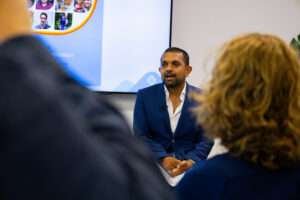
 

Dr Palipana is pictured above at the QPHCN event held during 2025 Disability Action Week


In my experience, one of the biggest challenges is that disability-specific training is rarely embedded in how healthcare professionals are educated. Disability takes many forms – physical, cognitive, sensory, psychosocial – and each brings its own complexities that clinicians simply aren’t consistently prepared for.

There are also the broader social challenges that many healthcare workers simply don’t see. Organising appointments, travelling to clinics and navigating inaccessible spaces are examples. For someone living with disability, these aren’t minor inconveniences – they’re barriers that make the difference between accessing care and avoiding it altogether.

I’ve witnessed this firsthand. I once supported a person with quadriplegia who needed a scan and had been searching for an accessible radiology clinic. Within a 150-kilometre radius covering millions of people, they could find just one clinic willing and able to accommodate them – and it was over an hour away. Since then, my mum has been affected by breast cancer, so the importance of accessible radiological screening has become even more personal to me.

As the great educator Sydney J. Harris once said, “the whole purpose of education is to turn mirrors into windows.” That’s exactly what disability awareness training can do for healthcare. The healthcare workforce is disproportionately made up of people without disability – and to truly understand the experience of those we care for, we have to be willing to look beyond our own frame of reference.

The solution has to start at the ground up. Students and early-career healthcare professionals need disability awareness education because that’s what will shift culture over time. People with disability are more dependent on the healthcare system, experience worse outcomes and are often more vulnerable. Improving disability awareness isn’t just the right thing to do – it makes healthcare more equitable, efficient and safe.

That’s why I chaired the advisory group for CheckUP Australia’s Access for All, an online disability awareness course designed to help healthcare providers better understand and support people across a range of healthcare settings.

Since its launch, the course has shown promising results – a statistically significant improvement in disability awareness among participants, with 97 percent saying they intended to improve the accessibility of the services they provide.[4]

It’s a start. And I remain hopeful. Medicine has always had the power to transcend borders, prejudices and vulnerabilities – to make a real difference to fellow humans most in need. But to do that, we have to be willing to look honestly at where we’re falling short, and commit to doing better.

Healthcare needs to put the humanity back into health. Because often, it’s the human factors that make the biggest difference for people with disability.

Creating a more inclusive health system will require action from all of us. For healthcare professionals looking to strengthen their understanding of disability and improve the care they provide, Access for All offers a practical place to start. Every clinician, administrator and healthcare worker has the opportunity to make healthcare more accessible, equitable and welcoming for people with disability.


Thank you, Dr Dinesh Palipana | CheckUP would like to sincerely acknowledge and thank Dr Dinesh PalipanaOAM, emergency physician, lawyer and disability advocate for bringing this article to LinkedIn.

Start Access for All | Access for All is an online course that builds on the disability awareness and knowledge health providers already have. It’s self-paced and comes with 3 CPD points, recognised across 35+ professions.

Every dollar goes back into sustaining the program and growing its reach.

Access for All is proudly endorsed by Queensland Health and Dr Palipana.


[1] Australian Bureau of Statistics – 5.5 million Australians have disability

[2] Australian Institute of Health & Welfare – Australia’s Health: Health of people with disability

[3] Australian Institute of Health & Welfare – Mortality patterns among people using disability support service

[4] University of Melbourne – Evaluation of Access for All – Disability Awareness for Mainstream Health Providers


How much is the course for an individual?

For individuals, the course is $99.

How much is the course for PHNs, HHSs and larger organisations?

For PHNs, HHSs and larger organisations, contact CheckUP for tailored packages, priced to your workforce.

How many CPD points can you gain through Access for All?

You can gain 3 CPD points, recognised across 35+ health professions.

Edition 10

CheckUP Connect Edition 10 – September 2026

Welcome to the September edition of CheckUP Connect. This month highlights the power of collaboration, innovation and community engagement in strengthening the health and social assistance workforce across Queensland. From sharing insights at the Developing Northern Australia Conference to supporting First Nations students through healthcare immersion experiences, we continue to focus on creating pathways that build a sustainable and capable workforce for the future. 

This edition also shares updates on several key initiatives, including OneNQ, and the NDIS Your Way, Our Way project. Alongside these initiatives, you’ll find information about upcoming events, training opportunities and sector updates designed to support providers, employers and communities to navigate change and seize new opportunities

Want more News?

Read about regional, rural and remote stories that are making a real difference.

View our catalogue
QPHCN event

What it takes to bring healthcare closer to home in regional Queensland

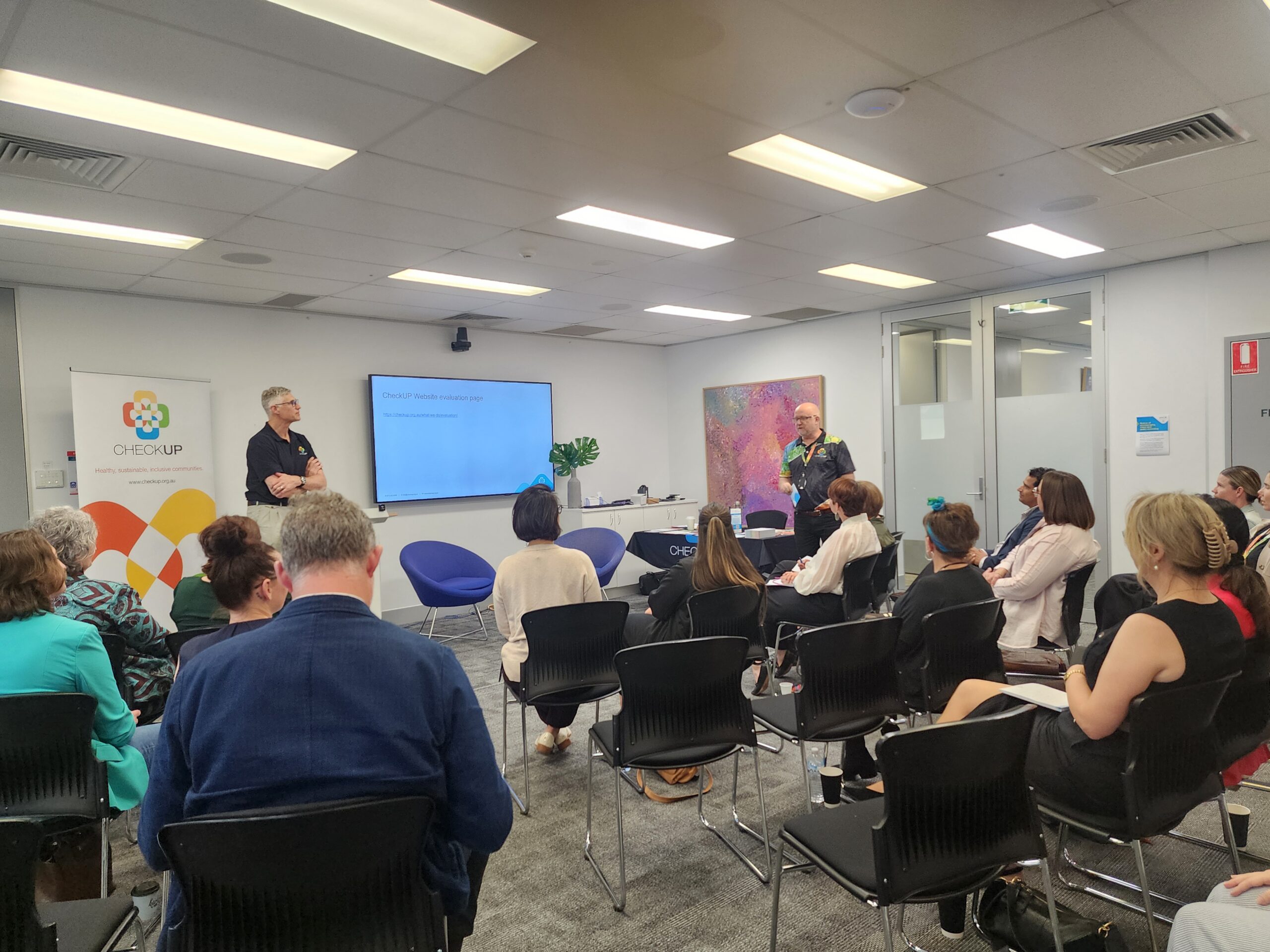
Improving access to health services for regional, rural and remote Queenslanders brought health, workforce and community services professionals together for CheckUP’s latest QPHCN event, held in person and streamed live across Queensland. Over the course of the morning, the conversation moved from the mechanics of commissioning outreach services through to the patients whose lives are changed by them.

The speakers who shared with us were:

Tony de AmbrosisCEO of CheckUP
Elise GormanGeneral Manager, Health Services
Amber HanksEye and Ear Surgical Services Manager
Sarah BohanGeneral Manager Allied Health, North West Remote Health
Mary-Anne QuilterManager, Cancer Prevention
Cathie GillanQueensland Health
Michelle HodgesSenior Manager, Outreach Programs
Nicole ByrneEye Health Coordinator, Gidgee Healing
Philippa HawkeEvaluation Lead

A model built to bend when communities need it to

Tony de Ambrosis addressing attendees at the QPHCN event
Tony de Ambrosis addressing attendees
“You guys have a very sophisticated model, and it’s a model that allows us to review what’s going into a region and pivot if necessary quickly to meet additional needs. I think that’s unique to CheckUP.” Tony de Ambrosis, CEO ▶ Watch this moment

That flexibility comes down to how the funding works. Rather than block funding providers upfront, CheckUP pays on a per visit basis once a service has been delivered and reported.

“It allows us to have amazing oversight at a visit, service, stage or regional level, whatever level we want. We can see money going out the door and what money isn’t, and that lets us respond quite quickly to certain events, knowing we’ve got funding available in those areas.” Elise Gorman, General Manager, Health Services ▶ Watch this moment
Video not loading? Watch it directly on YouTube.

In 2025-26, that model reached more than 175 communities through a network of 164 contracted providers, 40 percent of whom have delivered outreach services for 10 years or more.

175+
Communities reached
164
Contracted providers
18,296
Visits delivered
189,975
Occasions of service
60%
Occasions of service to Aboriginal and Torres Strait Islander patients

An independent BDO review found CheckUP’s outreach services return between $1.32 and $1.92 to government for every dollar invested, alongside cost savings of up to $19.9 million from reduced pressure on emergency departments and hospital admissions.

Three organisations, one plane, six communities

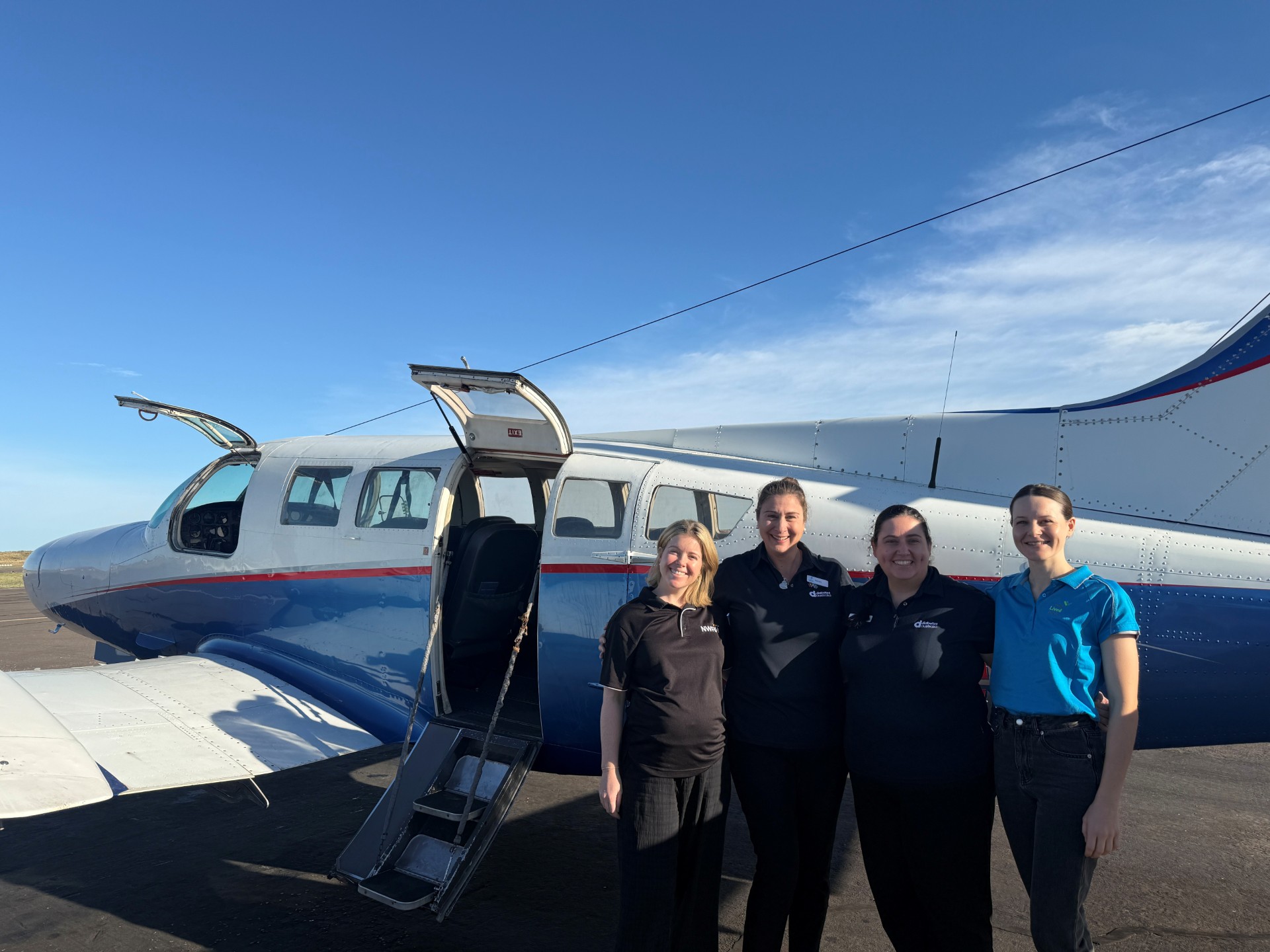
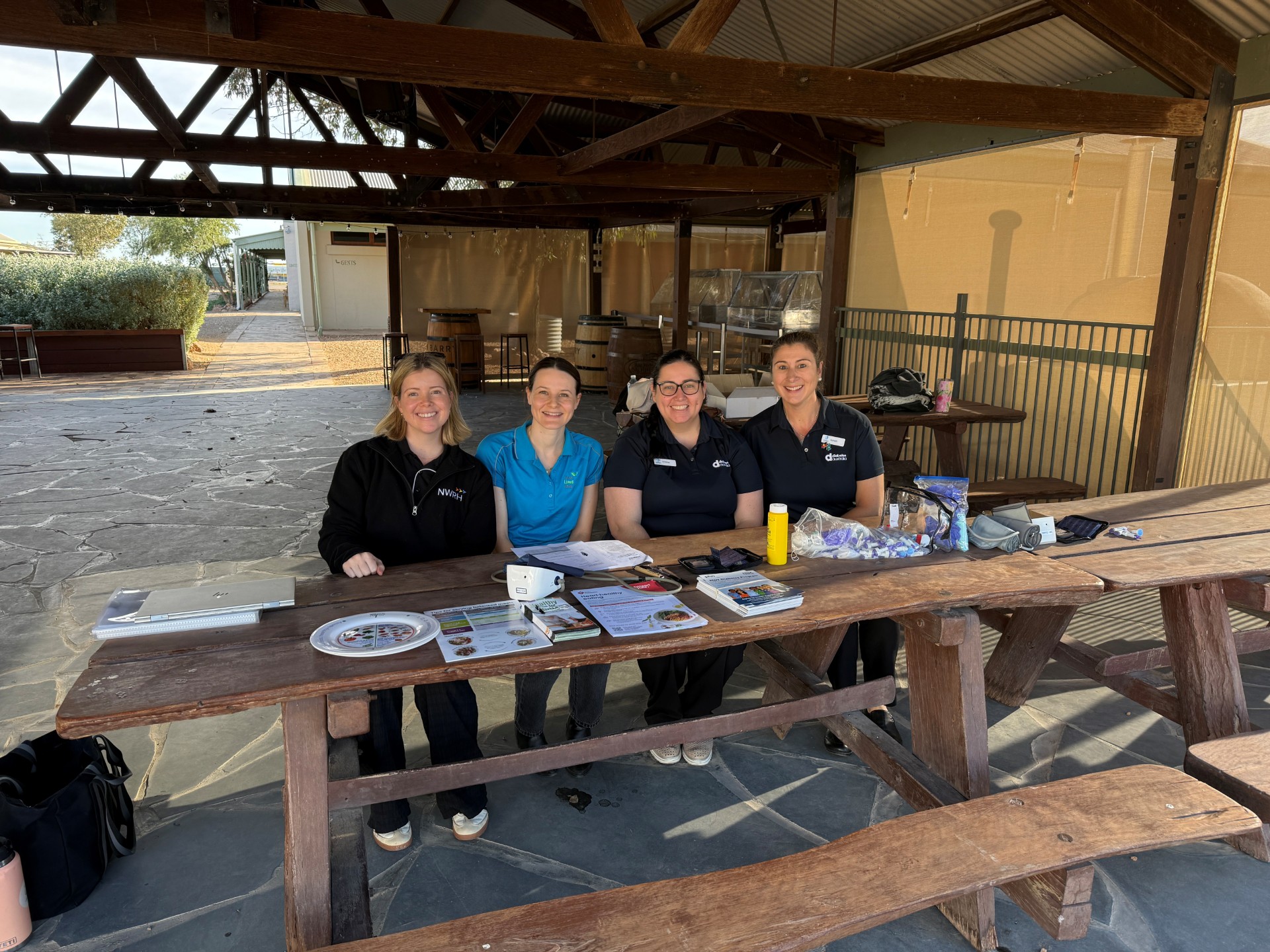
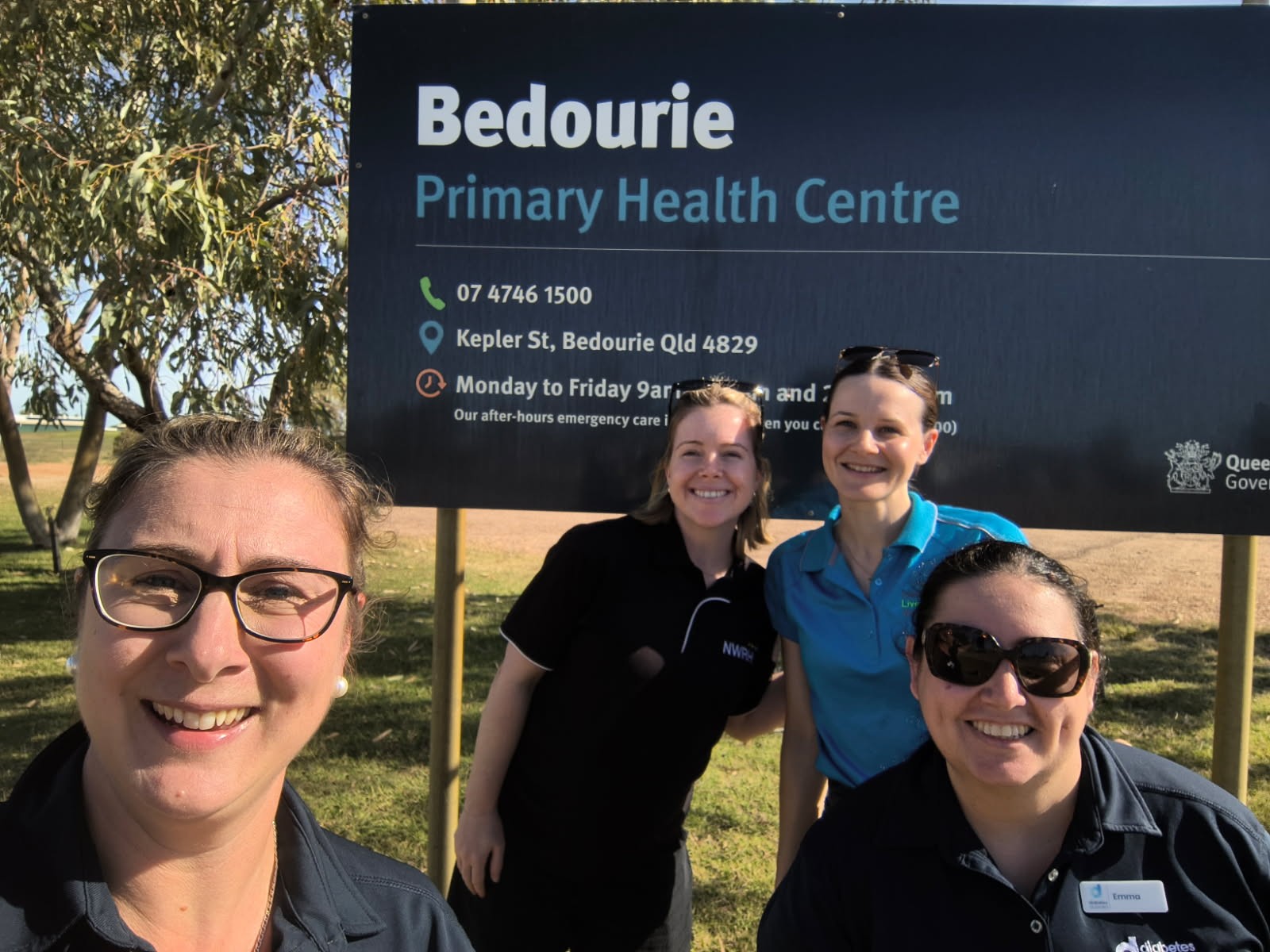
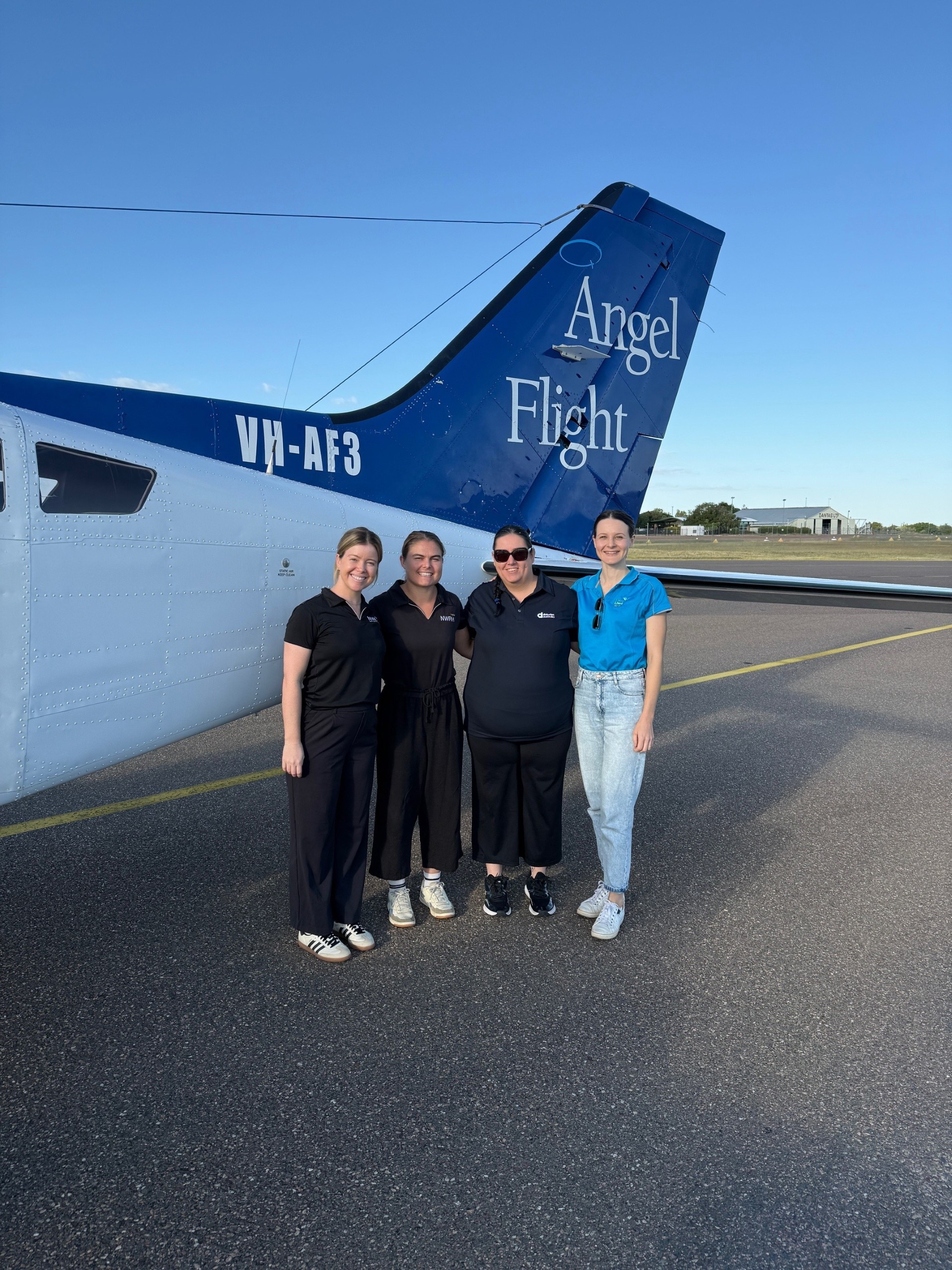
One of the clearest examples of that flexibility in action came from the western corridor, where Diabetes Australia, Lives Lived Well, Central West HHS, North West Remote Health and the Royal Flying Doctor Service came together to deliver a multidisciplinary diabetes program, supported by a charter flight funded through CheckUP.

People living in remote and very remote Australia are around 1.4 times as likely to be living with type 2 diabetes as those in major cities, according to the Australian Institute of Health and Welfare, and diabetes-related complications account for around a quarter of all potentially preventable hospitalisations across the western Queensland region.

“The charter flight wasn’t just about transport. It’s about building relationships, strengthening referral pathways, and creating a more connected service system so people living in regional and remote communities can access the coordinated care they need.” Amber Hanks, Eye and Ear Surgical Services Manager ▶ Watch this moment

North West Remote Health’s Sarah Bohan, who leads a multidisciplinary team of 45 allied health professionals delivering outreach to more than 30 communities, shared the on-the-ground result in a pre-recorded presentation: two joint visits across six communities, including a “sip and screen” event that brought a diabetes educator, podiatrist, clinical lead and counsellor together in one place. Fifty-three people were screened on the day, many accessing care outside their usual schedule entirely because the visit happened at all.

“Post code shouldn’t be a barrier to accessing quality healthcare.” Sarah Bohan, General Manager Allied Health, North West Remote Health ▶ Watch this moment

Catching skin cancer before it becomes urgent

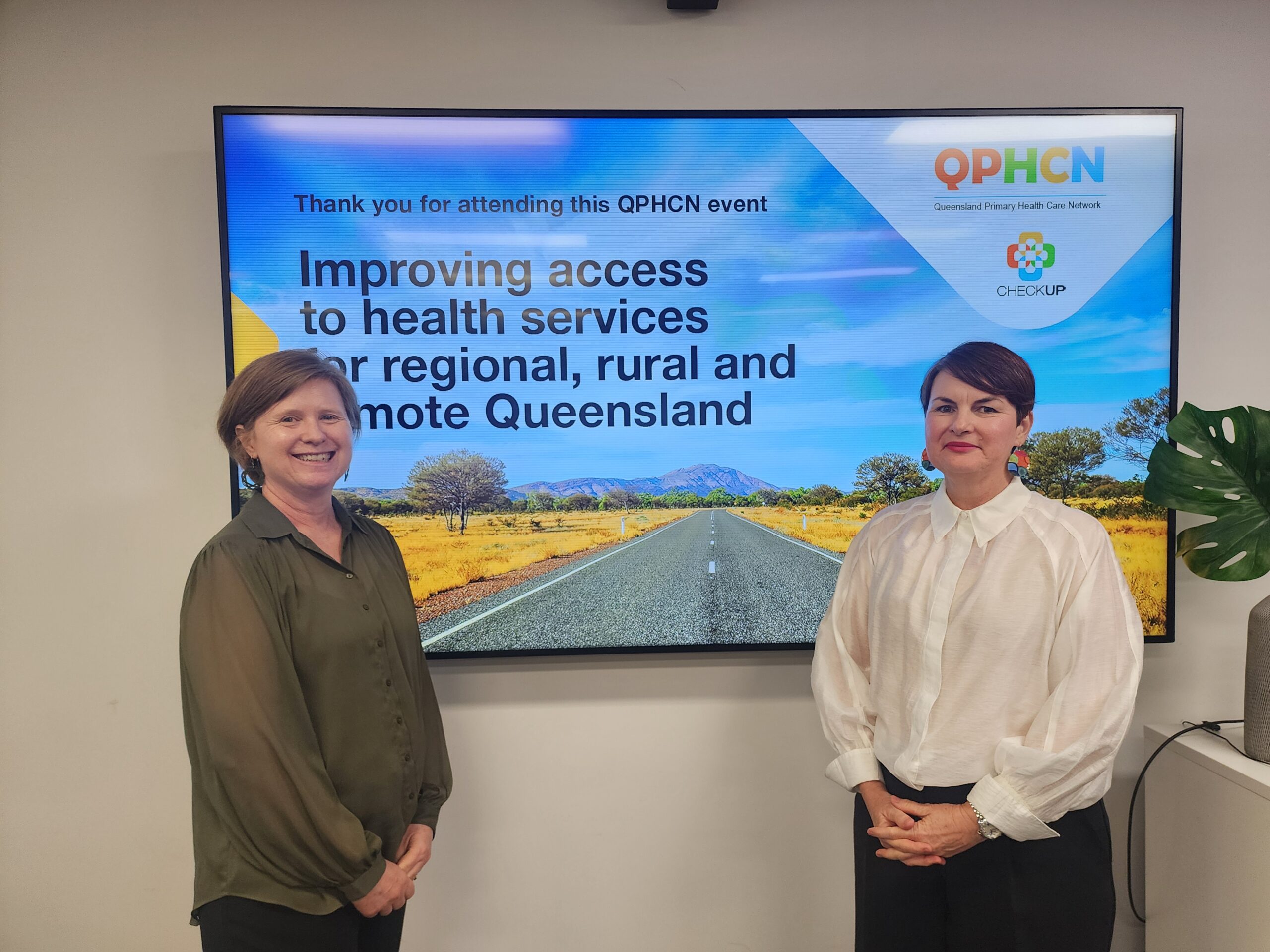
Cathie Gillan and Mary-Anne Quilter at the QPHCN event
Cathie Gillan, Queensland Health, and Mary-Anne Quilter, Manager, Cancer Prevention

Queensland has the highest skin cancer rate in the world, and access to a GP with specific skin cancer experience is limited in rural and remote areas. That gap is what led Queensland Health to commission CheckUP to deliver the Skin Cancer Early Detection program, known as SCED.

“There’s no point turning up somewhere and doing a pop-up thing and saying you’ve got a problem, need to see someone. Well, where’s that someone you’re going to see?” Cathie Gillan, Queensland Health ▶ Watch this moment

Since the program began in mid-2023, SCED clinics have been delivered in 18 communities across central Queensland, Mackay, Townsville and the north west and south west hospital and health service regions, running 187 clinics and seeing 4,060 patients across 4,140 occasions of service.

4,060
Patients seen
1,199
Received pre-cancer treatment
774
Histologically confirmed cancers detected, around one in five patients seen

Skin cancers detected by type:

Basal cell carcinoma607
Squamous cell carcinoma502
Melanoma (10 invasive)51

Patient feedback backs up why the model works. Ninety-nine percent of patients reported overall satisfaction with the service, and 46 percent said they would need to travel two or more hours to access a similar service elsewhere. Around a quarter said they simply wouldn’t have had a skin check at all if SCED hadn’t come to town.

“We have a six hour turnaround drive to Townsville, so this service is a godsend to us at our age.”

SCED patient

“Accessibility was a big factor for attending today’s appointment. Previous checks were postponed due to distance.”

SCED patient

Underspend in the program’s early years also opened the door to upskilling local GPs. Five full day workshops trained 98 doctors across Rockhampton, Mackay, Townsville, Roma and Mount Isa, and a co-sponsored dermoscopy scholarship with the Skin Cancer College of Australasia drew more than 70 applications for just 14 places.

The difference a familiar face makes

Some of the morning’s most affecting moments came from Nicole Byrne, who has spent six years as Eye Health Coordinator with Gidgee Healing, travelling monthly to communities across the Gulf including Mount Isa, Doomadgee, Normanton and Burketown. Her role sits within an eight-year partnership between the Fred Hollows Foundation, CheckUP, Palm Island Community Company and Gidgee Healing.

One story stayed with the room. A client known as Miss Millie had been referred for cataract surgery a decade earlier and had slipped through the system ever since, appearing to be completely blind by the time Nicole’s team found her. After a false start when a Brisbane surgery was delayed on the day, a Gidgee Healing staff member accompanied her back for a second attempt.

“She’s now, I see her around town, walking on her own independently. She can shop, she can shower herself. It’s just great to see someone who has fallen through for so long finally get the service and the surgery that they need.” Nicole Byrne, Eye Health Coordinator, Gidgee Healing ▶ Watch this moment
“It’s definitely the people in the community. It’s someone’s mum, someone’s grandma. It could be something as small as dropping a pair of glasses off at someone’s house, and the day that they have, they can go to bingo and see the numbers.” Nicole Byrne, Eye Health Coordinator, Gidgee Healing ▶ Watch this moment

Proving what patients already know

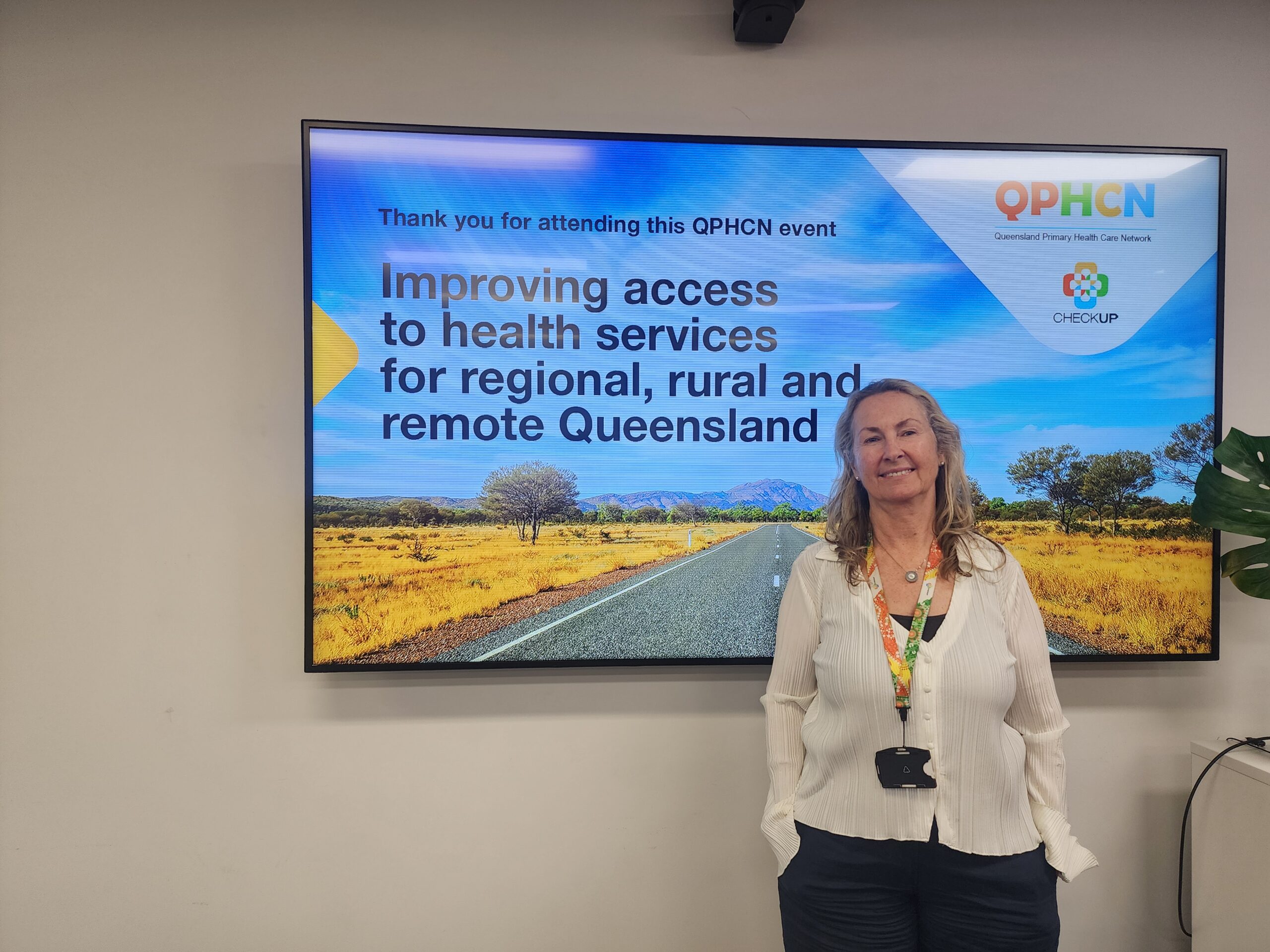
Philippa Hawke, Evaluation Lead, at the QPHCN event
Philippa Hawke, Evaluation Lead

CheckUP’s Evaluation Lead Philippa Hawke closed the session with a look at how patient feedback gets collected across a network as varied as CheckUP’s, and used to actually improve services rather than sit on a shelf. Since July 2024, CheckUP’s outreach patient survey has produced results across the network.

1,118
Patient responses
343
Aboriginal and/or Torres Strait Islander respondents
145
Practitioners covered
70
Locations
52
Individualised provider reports
90
Net promoter score
“To hear that our patients are actually really appreciative, I mean, we knew they liked us, but to see the hard data of what things we’re doing well just keeps us motivated to keep going out there.” Philippa Hawke, Evaluation Lead ▶ Watch this moment

What we’re taking forward

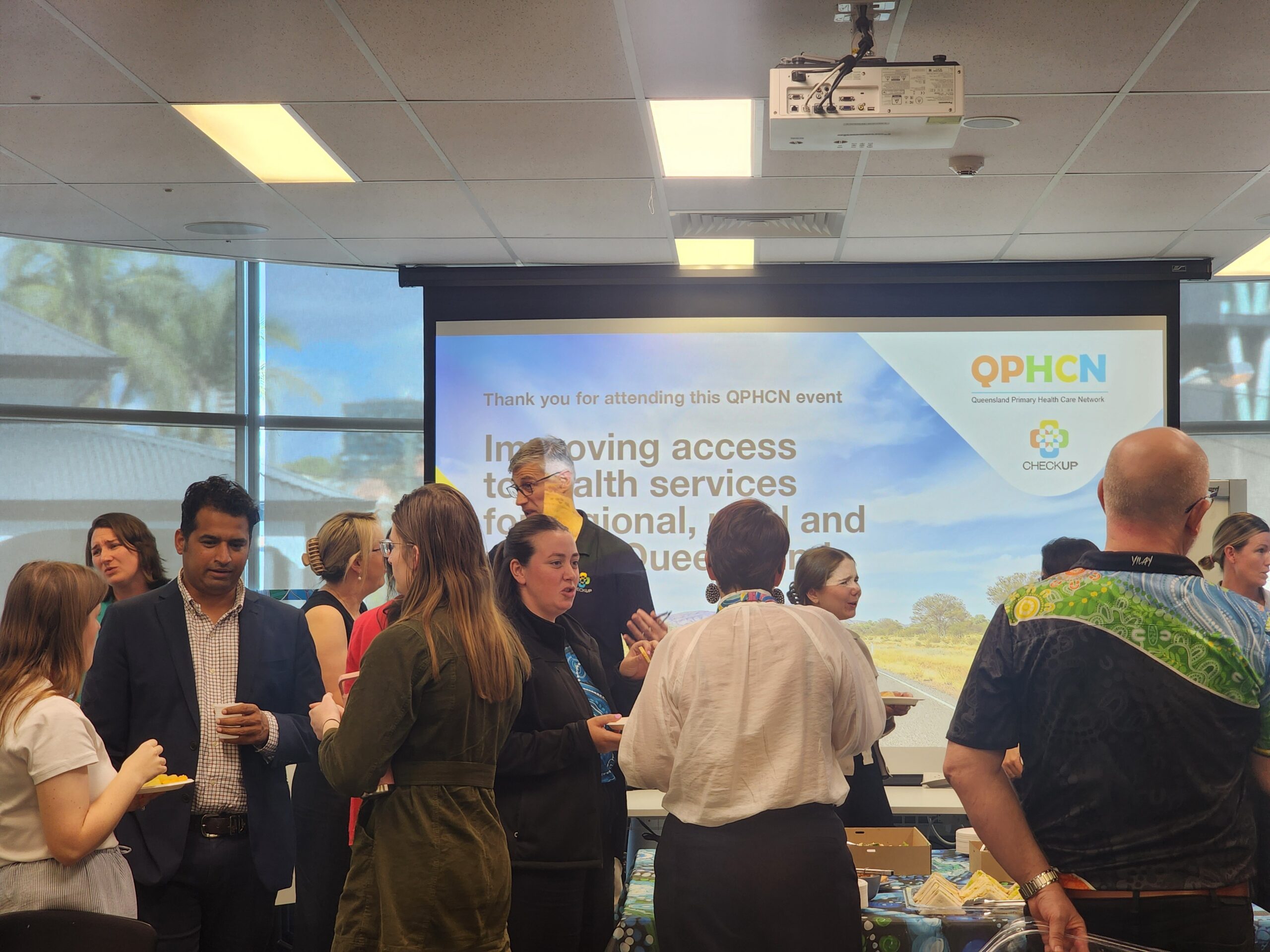
Attendees networking at the QPHCN event

The morning was a reminder that behind every statistic on outreach visits and occasions of service sits a specific person, in a specific town, who got to see a doctor, a podiatrist or an optometrist without leaving their community to do it. That’s the throughline across every program CheckUP coordinates, and it’s what the team continues to build toward with each new partnership and each new region.

Want to join us next time? Subscribe to CheckIN and we’ll keep you in the loop on upcoming QPHCN events and outreach stories like this one.

Sign up to CheckIN
CheckUP’s Outreach programs are funded by the Australian Government Department of Health, Disability and Ageing and the Queensland Government.

Suicide affects communities right across Queensland, and everyone has a role to play in prevention.

This full day training is designed to give you the essential skills and resources to recognise when someone may be at risk of suicide, and to respond with confidence and care.

This training is delivered by CORES™ Queensland (Community Owned Response to Eliminating Suicide) as part of their work supporting communities across Far North Queensland.

You’ll explore:


This training is suitable for community members, workers, volunteers and anyone wanting to build their confidence in supporting someone who may be struggling. No prior training or experience is required.

Date: Thursday 17 September 2026
Time: 9:30am – 4:30pm (lunch included)
Venue: Cooktown Events Centre, 3 May St, Cooktown
Transport: Free bus from Hope Vale, departing Hope Vale approximately 8:30am and leaving Cooktown approximately 4:45pm (same bus as the earlier session that day)
CPD: This session can contribute towards your Continuing Professional Development hours

Please note: This workshop is open to all community members. Crisis support is not provided as part of the session. If you or someone you know needs immediate support, please contact Lifeline on 13 11 14 or triple zero (000) in an emergency.

REGISTER for the event


Looking after everyone else is easier when you’ve got a plan for looking after yourself first.

This workshop gives you the knowledge, skills and resources to build an individualised self-care and mental wellbeing plan, with simple, realistic strategies you can weave into daily life.

This workshop is delivered by CORES™ Queensland (Community Owned Response to Eliminating Suicide) as part of their work supporting communities across Far North Queensland.

You’ll explore:


This workshop pairs well with the Loss and Grief Workshop running earlier the same day, but also works as a standalone session for anyone wanting practical tools for their own wellbeing.

Date: Wednesday 16 September 2026
Time: 2:30pm – 4:30pm
Venue: Cooktown Events Centre, 3 May St, Cooktown
Transport: Free bus from Hope Vale, departing Hope Vale approximately 8:30am and leaving Cooktown approximately 4:45pm (same bus as the earlier session that day)
CPD: This session can contribute towards your Continuing Professional Development hours

Please note: This workshop is open to all community members. Crisis support is not provided as part of the session. If you or someone you know needs immediate support, please contact Lifeline on 13 11 14 or triple zero (000) in an emergency.

REGISTER for the event


Grief touches everyone at some point, whether through the death of a loved one, a major life change, or supporting someone else through their own loss.

This free, Cooktown and surrounds community based workshop is designed to help you build a genuine understanding of loss and grief, and walk away with practical strategies and resources you can use straight away. 

This workshop is delivered by CORES™ Queensland (Community Owned Response to Eliminating Suicide) as part of their work supporting communities across Far North Queensland.

You’ll explore:


This session is open to everyone, whether you’re processing your own grief, supporting someone close to you, or working in a role where you regularly encounter loss and bereavement.

Date: Wednesday 16 September 2026
Time: 9:30am – 2:30pm (lunch included)
Venue: Cooktown Events Centre, 3 May St, Cooktown
Cost: Free
Transport: Free bus from Hope Vale, departing Hope Vale approximately 8:30am and leaving Cooktown approximately 4:45pm
CPD: This session can contribute towards your Continuing Professional Development hours

Please note: This workshop is open to all community members. Crisis support is not provided as part of the session. If you or someone you know needs immediate support, please contact Lifeline on 13 11 14 or triple zero (000) in an emergency.

REGISTER for the event


Join us for an evening of food, fun and yarning about jobs and skills opportunities in and around Cooktown and surrounding regions.

Everyone is welcome, including job seekers, employers, and health and community services workers.

Caritta’s food truck will be onsite serving pizza while you connect with local employers and training providers including:


Find your pathway into local work and discover how you can kick start a career in health and community services.

REGISTER for the event


Proudly brought to you by OneNQ and CheckUP


CheckIN Issue 236 – August 2026

Enjoy the August edition of CheckIN, CheckUP’s member newsletter. Learn about CheckUP’s programs, news and events, plus discover health industry news and more.

Subscribe to our newsletters HERE, to stay up to date with our initiatives, and more.

READ NEWSLETTER

Access to quality healthcare shouldn’t mean a long drive or time away from daily life, friends and family. Yet, it is the reality for Queenslanders in rural and remote areas. This is the topic we explore at CheckUP’s next Queensland Primary Health Care Network (QPHCN) event: How do we improve access to health services for regional, rural and remote Queensland?

Register for the next QPHCN event and hear from an experienced and committed team of health service leaders and presenters as we discuss the power of collaboration, innovation, leveraging strong partnerships and co-creation to bring healthcare closer to home. Join for a morning of learning, sharing and networking.

Stay tuned to hear from experienced speakers committed to providing vital health services in rural and remote Queensland.

Get your ticket!

In-person event

Lunch will be provided for in-person attendees. Please advise any dietary and accessibility requirements. Photos will be taken at the event, and it will also be streamed online. Please advise CheckUP staff if you do not want any photos taken or featured online.

Join online

This event will be streamed live and available to view after the event on CheckUP’s YouTube channel. Online attendees are able to participate and submit comments and feedback through the livestream.

Register here: Improving access to health services for regional, rural and remote Queensland – QPHCN Event

Celebrating our Health Services team

Image: Amber and Cassie are pictured above

CheckUP’s Health Services Team proudly announces several new changes and welcomes new and returning team members

Welcome Amy-Jo Kuusik

We are delighted to welcome Amy-Jo Kuusik as the new Regional Coordinator for Central and Central West Queensland.

Amy-Jo brings a strong background in public health, stakeholder engagement, workforce coordination, and digital health initiatives. She joins CheckUP with experience across a range of health organisations, including the Australian Digital Health Agency, West Moreton Health, and Sydney North Health Network, where she successfully coordinated projects, supported service delivery improvements, and worked collaboratively with diverse stakeholders.

With a Bachelor of Applied Public Health and a passion for improving health outcomes, Amy-Jo is committed to building strong relationships across the region and supporting communities, providers, and partners throughout Central and Central West Queensland.

Amy-Jo will work closely with our outreach providers, health services, and local communities to strengthen connections, support service coordination, and help ensure that people living in rural and remote areas continue to receive high-quality healthcare closer to home.

Welcome to CheckUP, Amy-Jo!

Cassie French 

Cassie has worked with CheckUP for the last six years as a Regional Coordinator, Senior Outreach Coordinator – Special Projects, Acting Eye and Ear Surgical Services Manager and now as a Cancer Prevention Programs Coordinator. Cassie lives and works in a regional setting, and her qualifications – a Bachelor of Health Science (Nutrition) / Bachelor of Creative Industries (Media and Communications), and Graduate Diploma in Public Health (Health Promotion) – have equipped her well for the variety of roles she has undertaken. Cassie has formed strong stakeholder relationships across the state moving flexibly between roles and regions, expanding her skills and playing to her strengths.  

Amber Hanks 

Amber has recently stepped into the Eye and Ear Surgical Services Manager role after three years as the Regional Coordinator for the Central-Central West Region. Amber brings her analytical skills and leadership experience from the PHN funded Rural Primary Health Service to her new role.  Amber holds a Bachelor of Health and Medical Science / Bachelor of Health and Medical Science (Public Health) (Honours).  

Isabelle Walker 

Isabelle joined CheckUP over four years ago as a Regional Coordinator in the South West region, applying her knowledge of the health sector learned through her experience in regional health service delivery and her Masters of Dietetics degree.  After a travel break to the other side of the globe, Isabelle has returned in a short-term capacity to support auditing activities and administration of the Indigenous Eye Health Coordinator Program.