
Who we are
CheckUP works with partner organisations and health providers to create healthier communities and reduce health inequities through a range of initiatives.
View allWhat we do
CheckUP works with partner organisations and health providers to create healthier communities and reduce health inequities through a range of initiatives.
View allPartner with us
There are so many ways you can support the work of CheckUP and our vision of better health for the people and communities that need it most.
View allOn this page
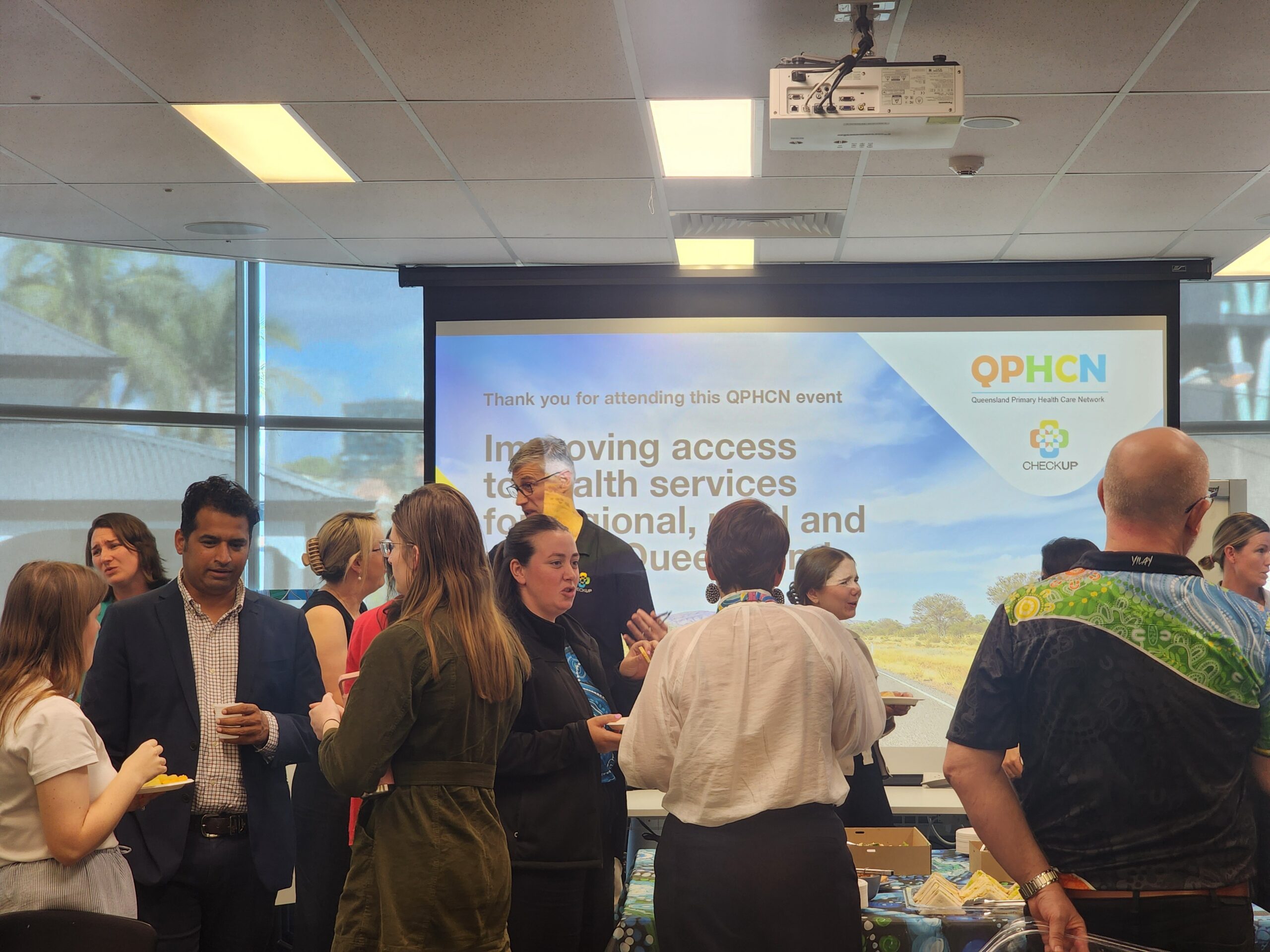
Improving access to health services for regional, rural and remote Queenslanders brought health, workforce and community services professionals together for CheckUP’s latest QPHCN event, held in person and streamed live across Queensland. Over the course of the morning, the conversation moved from the mechanics of commissioning outreach services through to the patients whose lives are changed by them.
The speakers who shared with us were:
A model built to bend when communities need it to
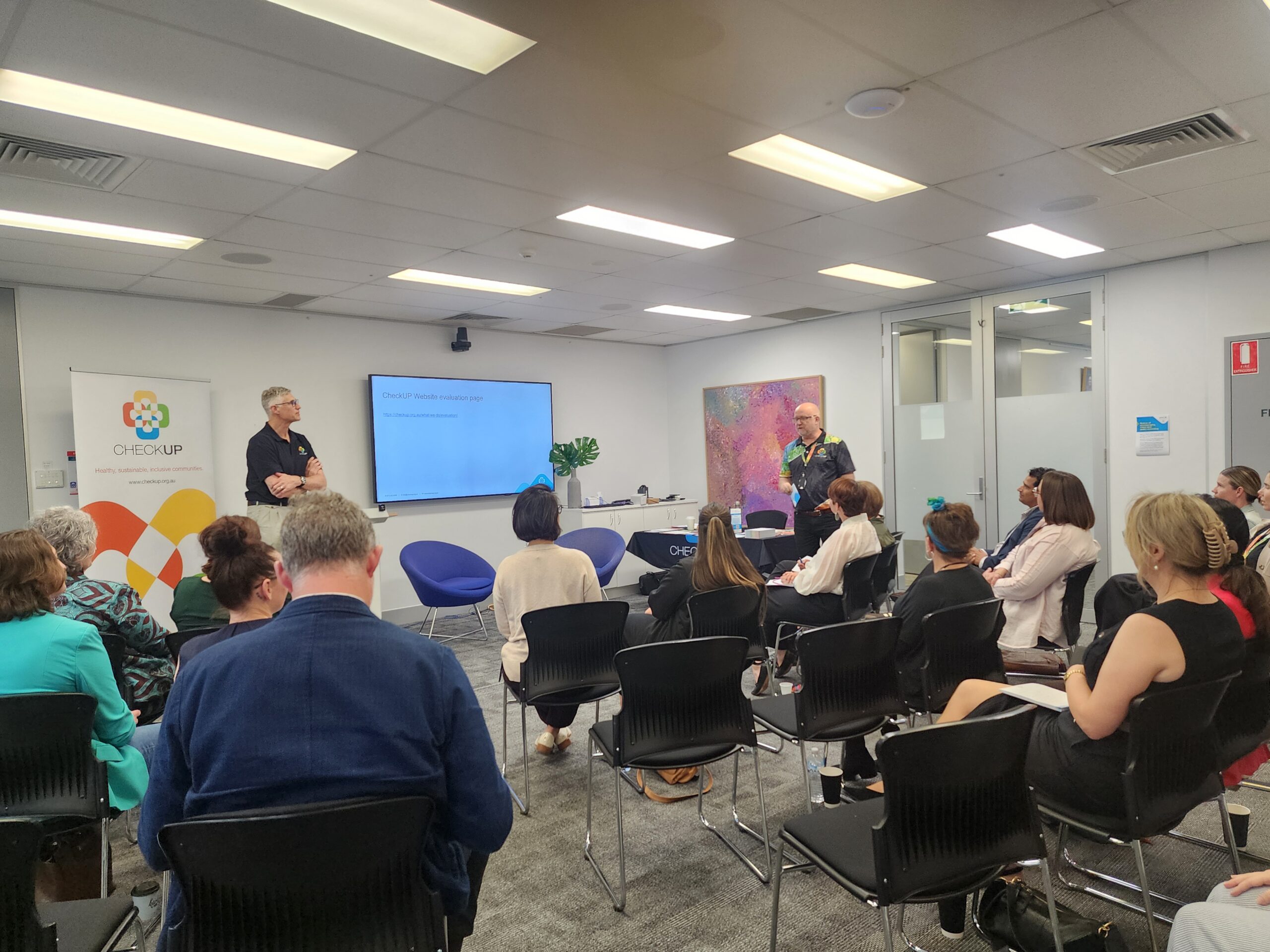
“You guys have a very sophisticated model, and it’s a model that allows us to review what’s going into a region and pivot if necessary quickly to meet additional needs. I think that’s unique to CheckUP.” Tony de Ambrosis, CEO ▶ Watch this moment
That flexibility comes down to how the funding works. Rather than block funding providers upfront, CheckUP pays on a per visit basis once a service has been delivered and reported.
“It allows us to have amazing oversight at a visit, service, stage or regional level, whatever level we want. We can see money going out the door and what money isn’t, and that lets us respond quite quickly to certain events, knowing we’ve got funding available in those areas.” Elise Gorman, General Manager, Health Services ▶ Watch this moment
In 2025-26, that model reached more than 175 communities through a network of 164 contracted providers, 40 percent of whom have delivered outreach services for 10 years or more.
An independent BDO review found CheckUP’s outreach services return between $1.32 and $1.92 to government for every dollar invested, alongside cost savings of up to $19.9 million from reduced pressure on emergency departments and hospital admissions.
Three organisations, one plane, six communities
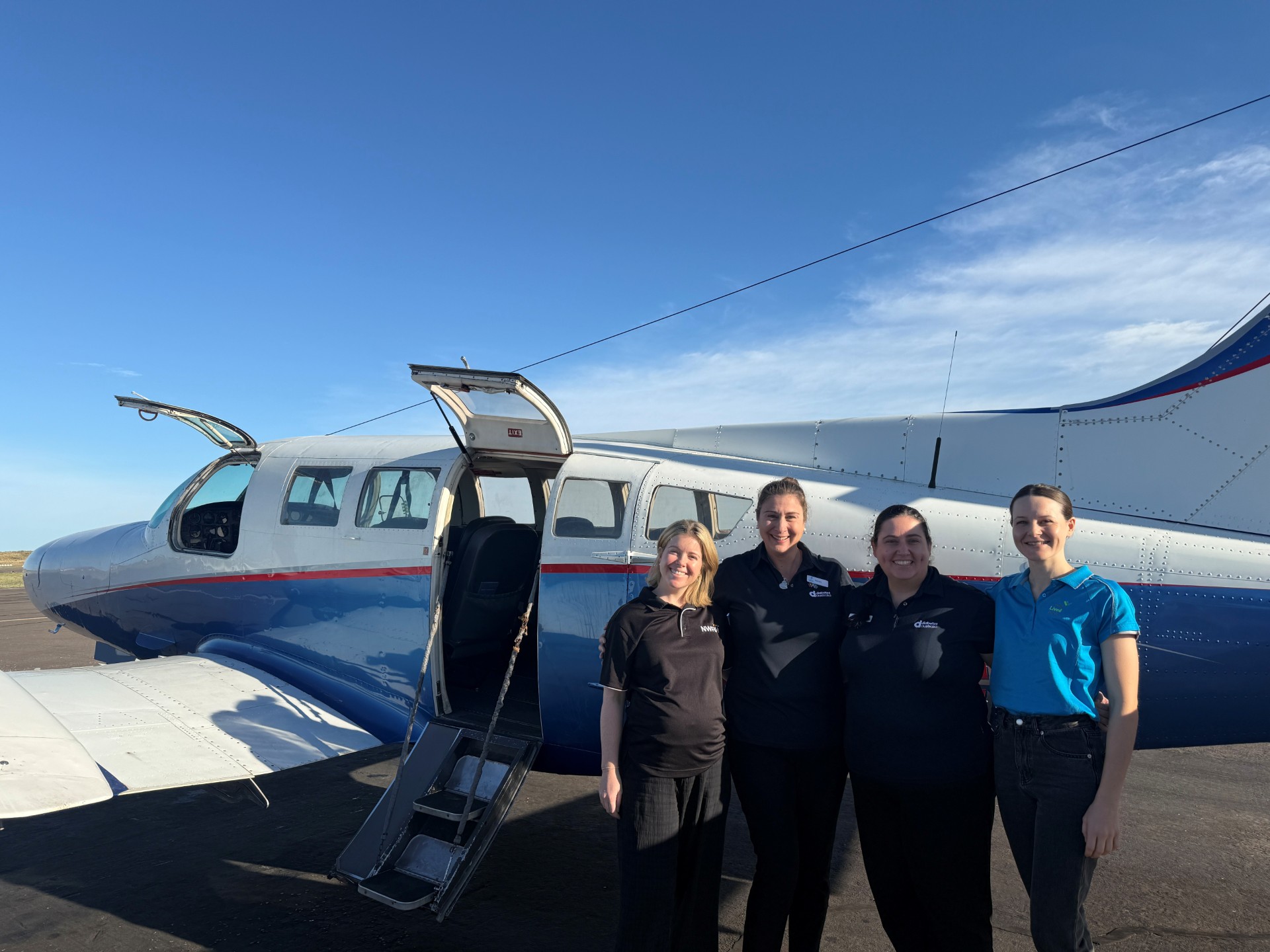
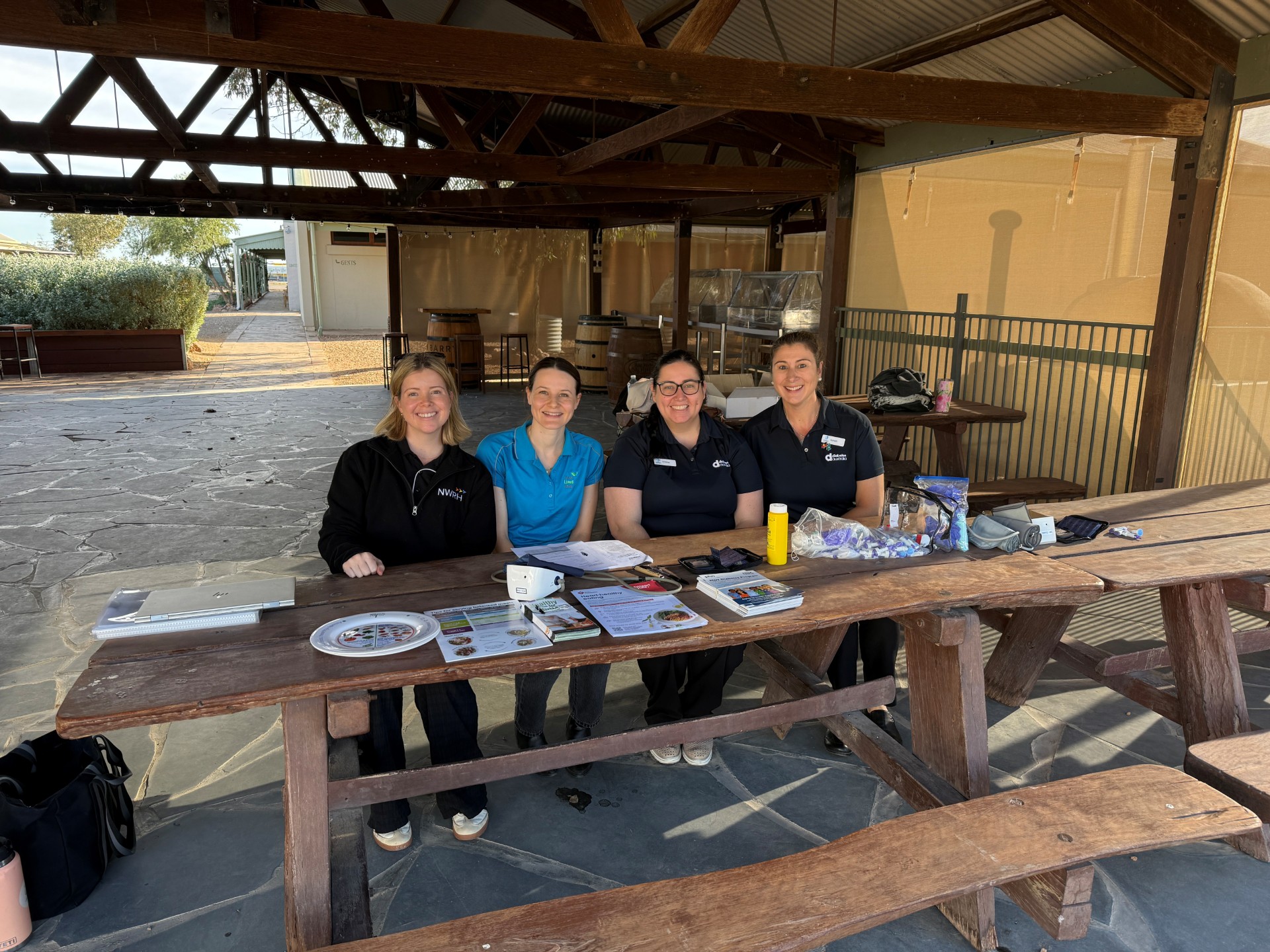
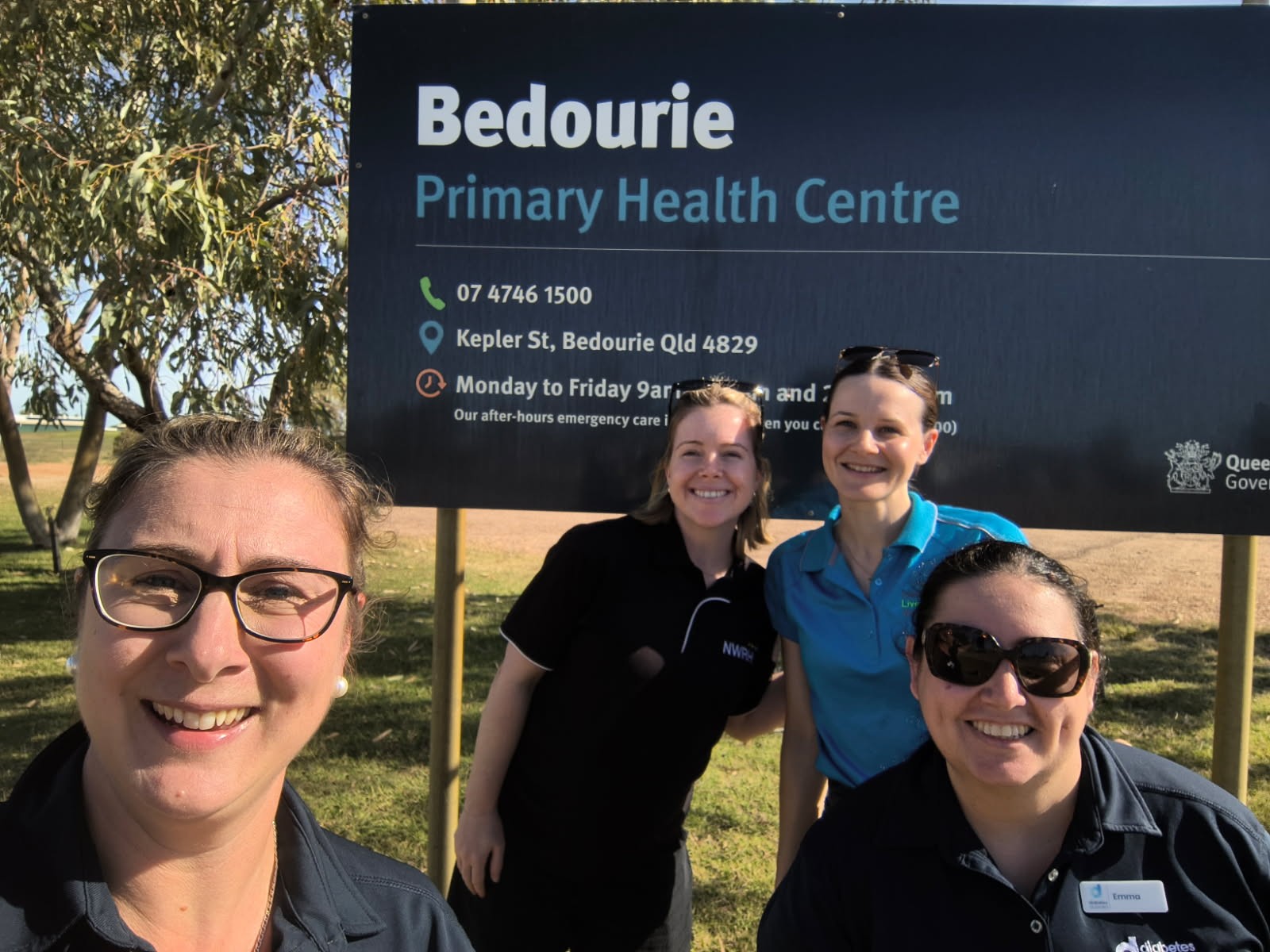
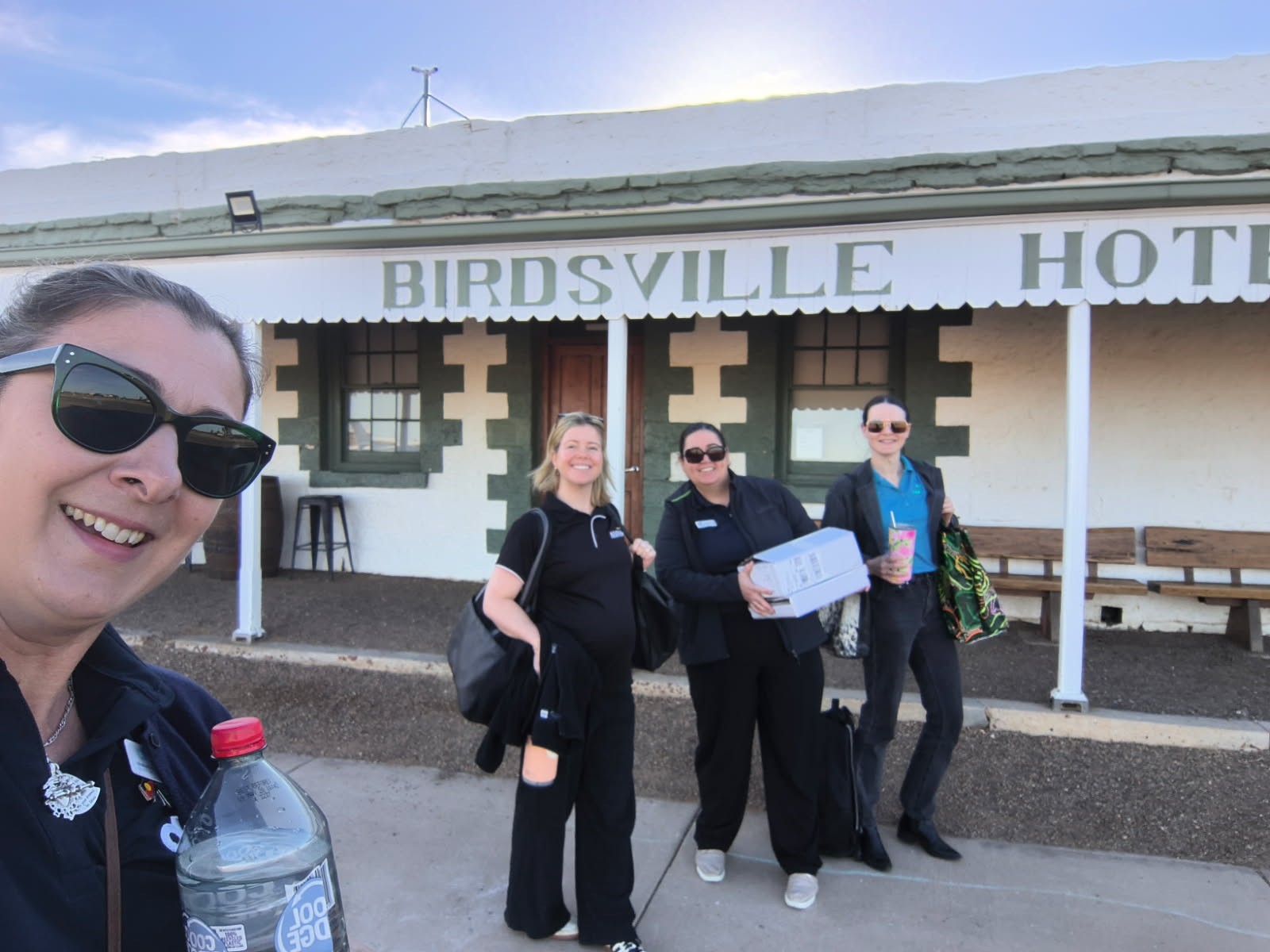
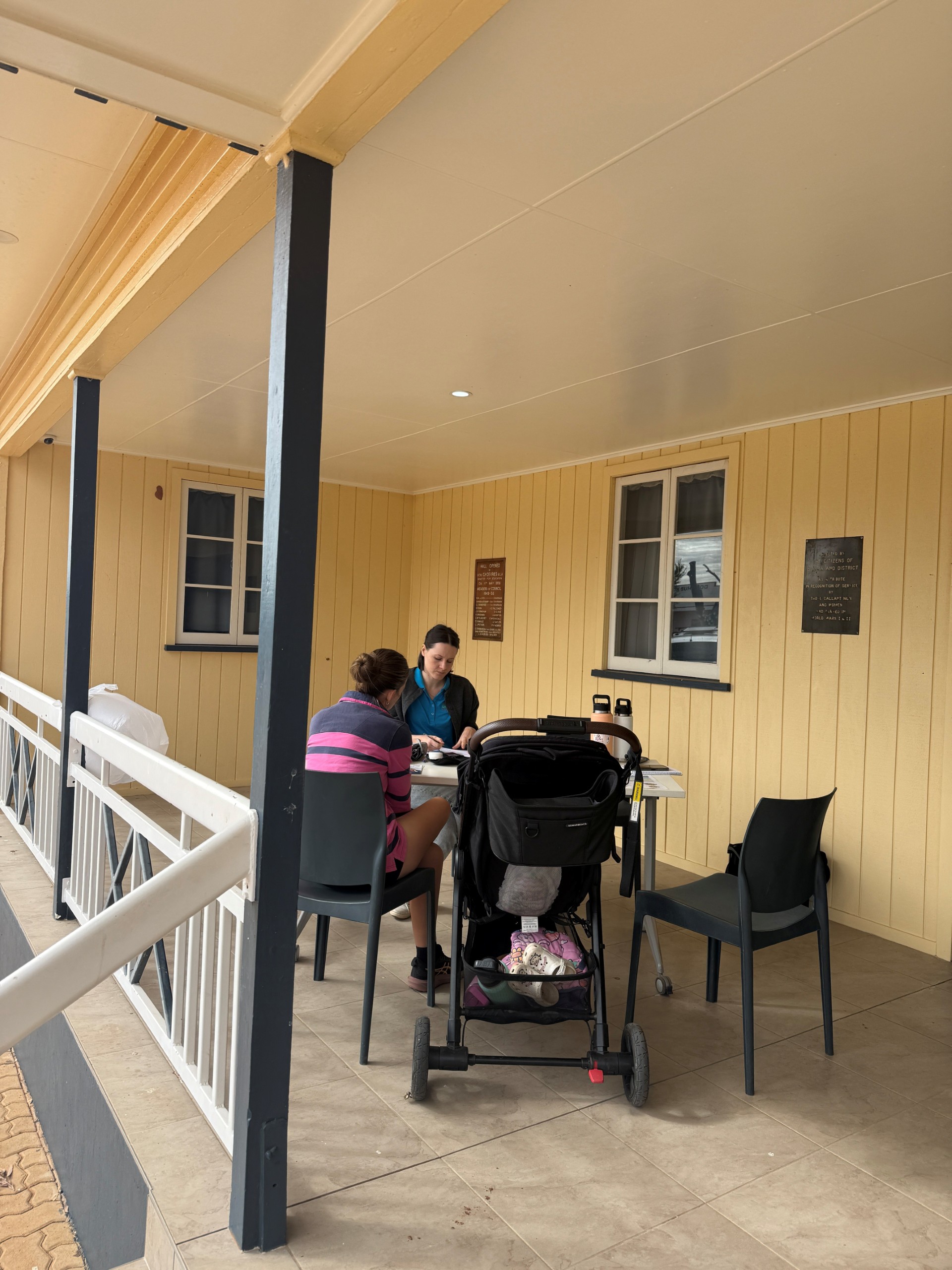
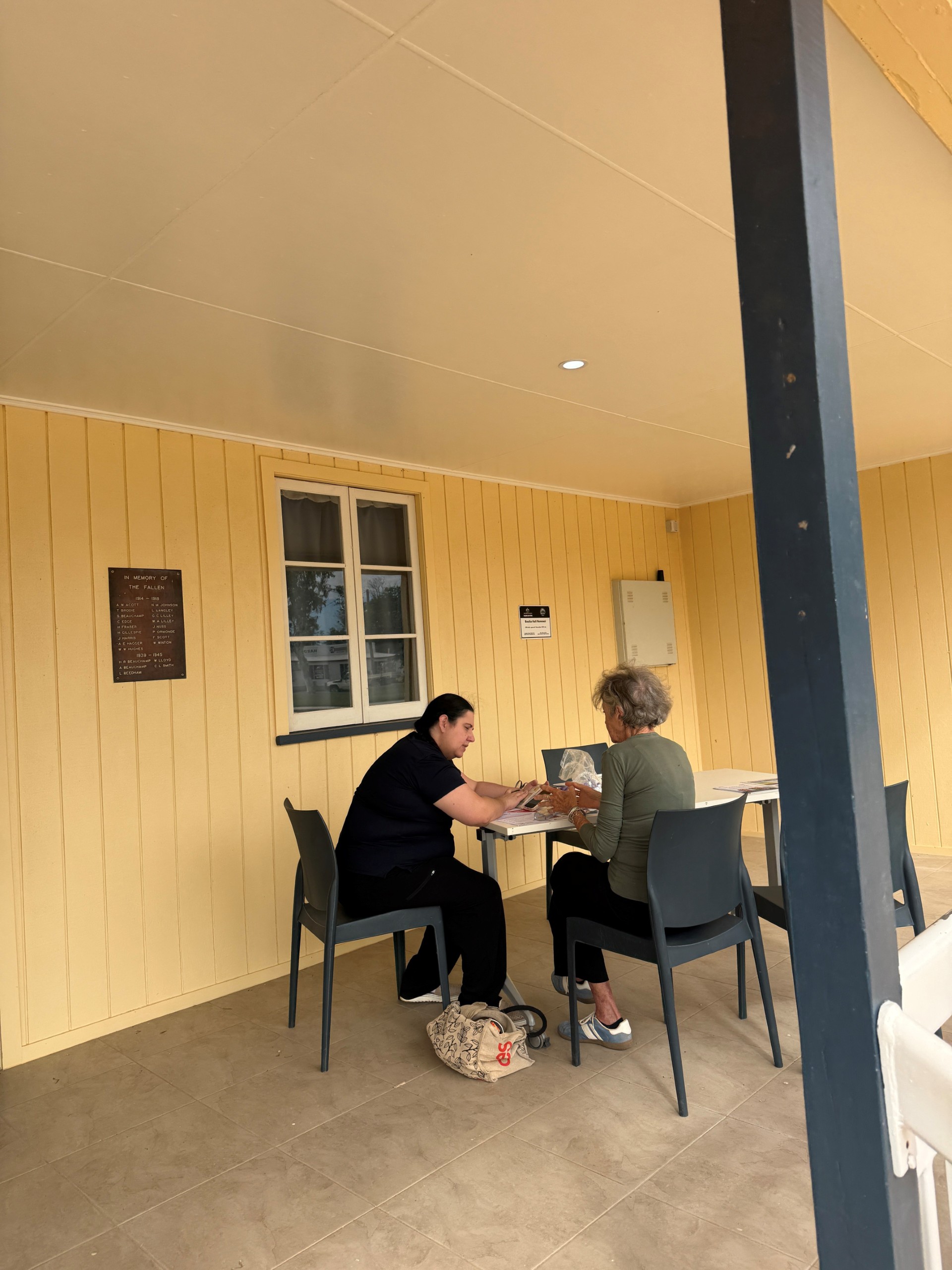
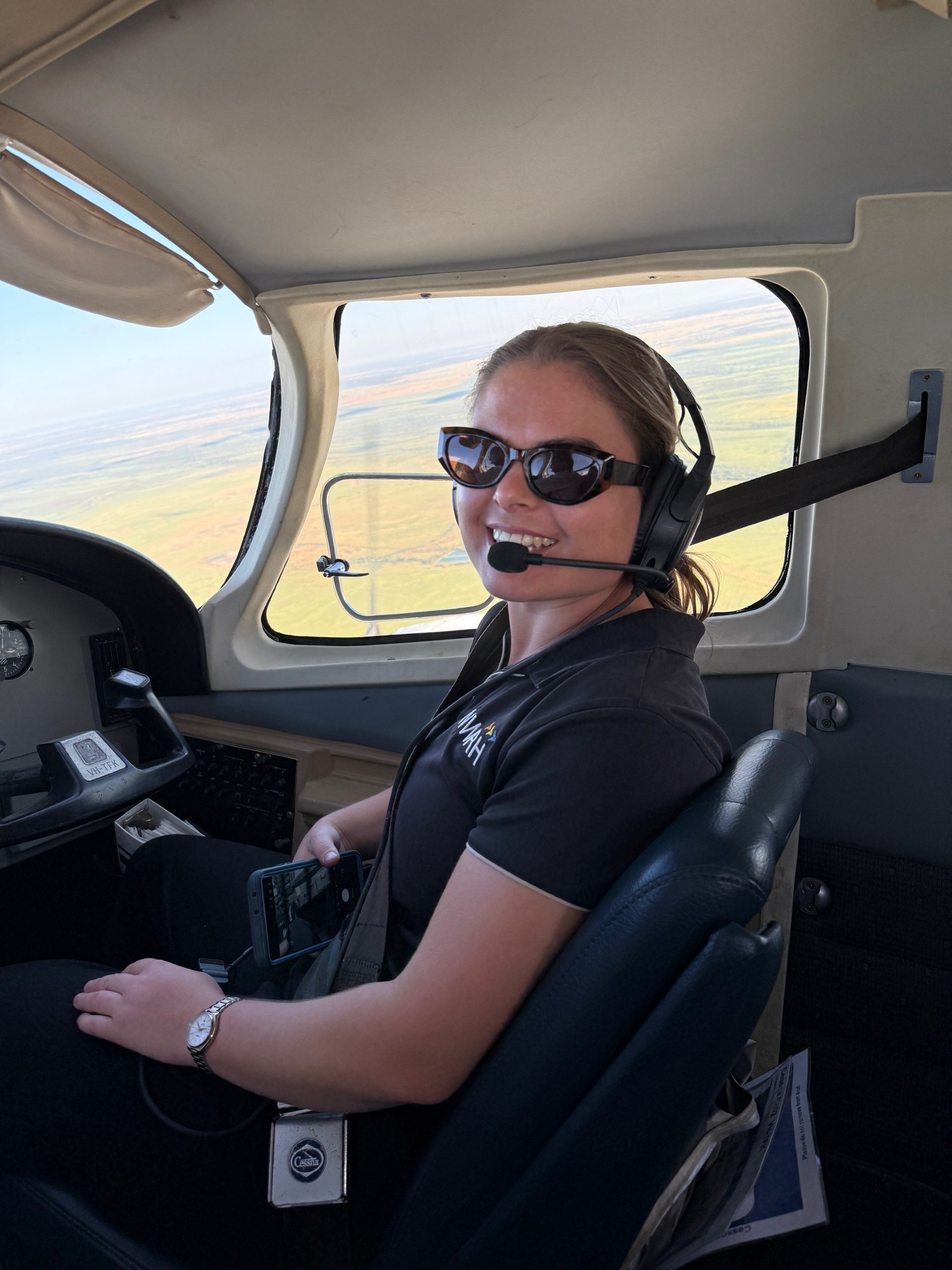
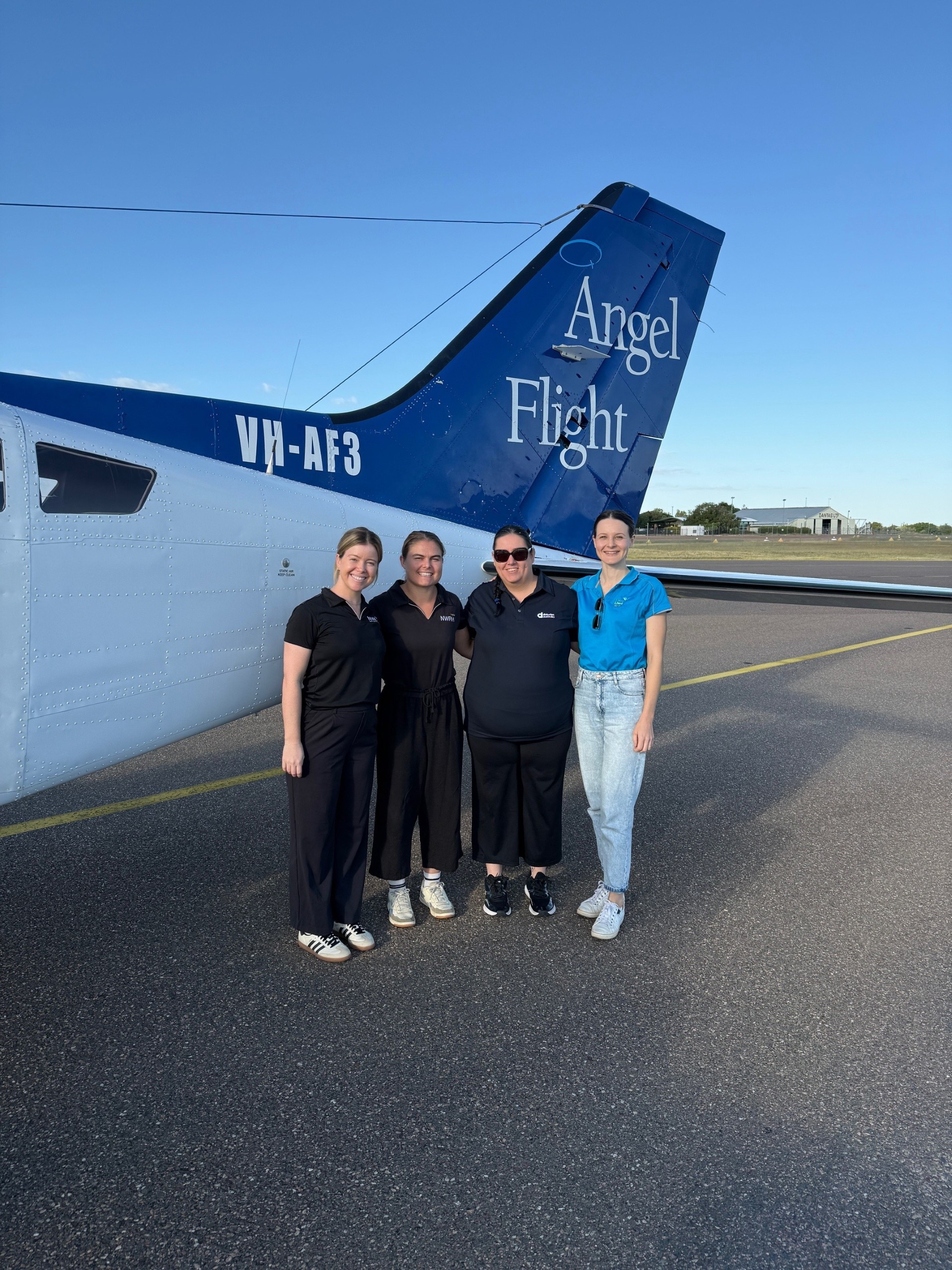
One of the clearest examples of that flexibility in action came from the western corridor, where Diabetes Australia, Lives Lived Well, Central West HHS, North West Remote Health and the Royal Flying Doctor Service came together to deliver a multidisciplinary diabetes program, supported by a charter flight funded through CheckUP.
People living in remote and very remote Australia are around 1.4 times as likely to be living with type 2 diabetes as those in major cities, according to the Australian Institute of Health and Welfare, and diabetes-related complications account for around a quarter of all potentially preventable hospitalisations across the western Queensland region.
“The charter flight wasn’t just about transport. It’s about building relationships, strengthening referral pathways, and creating a more connected service system so people living in regional and remote communities can access the coordinated care they need.” Amber Hanks, Eye and Ear Surgical Services Manager ▶ Watch this moment
North West Remote Health’s Sarah Bohan, who leads a multidisciplinary team of 45 allied health professionals delivering outreach to more than 30 communities, shared the on-the-ground result in a pre-recorded presentation: two joint visits across six communities, including a “sip and screen” event that brought a diabetes educator, podiatrist, clinical lead and counsellor together in one place. Fifty-three people were screened on the day, many accessing care outside their usual schedule entirely because the visit happened at all.
“Post code shouldn’t be a barrier to accessing quality healthcare.” Sarah Bohan, General Manager Allied Health, North West Remote Health ▶ Watch this moment
Catching skin cancer before it becomes urgent
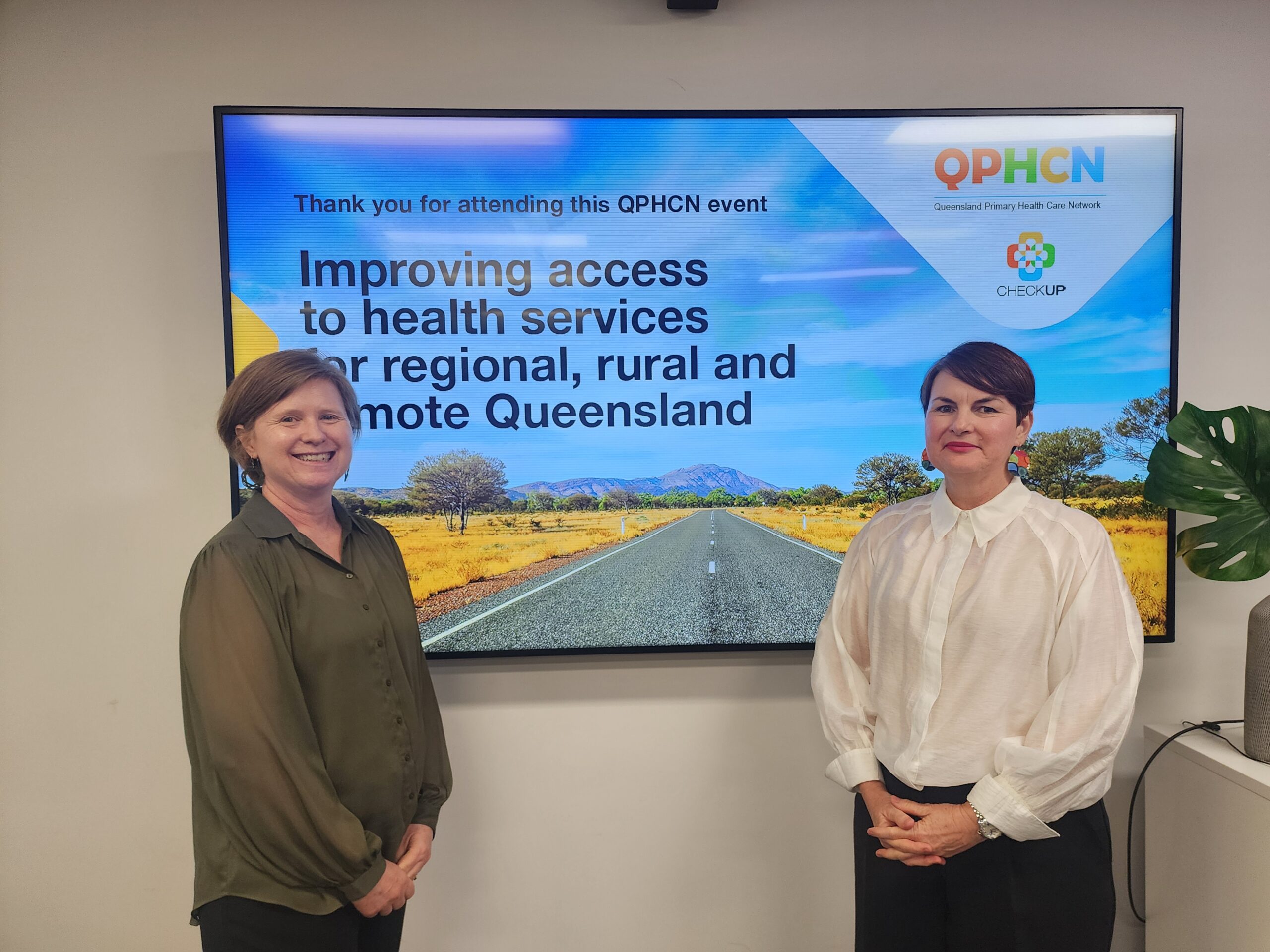
Queensland has the highest skin cancer rate in the world, and access to a GP with specific skin cancer experience is limited in rural and remote areas. That gap is what led Queensland Health to commission CheckUP to deliver the Skin Cancer Early Detection program, known as SCED.
“There’s no point turning up somewhere and doing a pop-up thing and saying you’ve got a problem, need to see someone. Well, where’s that someone you’re going to see?” Cathie Gillan, Queensland Health ▶ Watch this moment
Since the program began in mid-2023, SCED clinics have been delivered in 18 communities across central Queensland, Mackay, Townsville and the north west and south west hospital and health service regions, running 187 clinics and seeing 4,060 patients across 4,140 occasions of service.
Skin cancers detected by type:
Patient feedback backs up why the model works. Ninety-nine percent of patients reported overall satisfaction with the service, and 46 percent said they would need to travel two or more hours to access a similar service elsewhere. Around a quarter said they simply wouldn’t have had a skin check at all if SCED hadn’t come to town.
“We have a six hour turnaround drive to Townsville, so this service is a godsend to us at our age.”
SCED patient“Accessibility was a big factor for attending today’s appointment. Previous checks were postponed due to distance.”
SCED patientUnderspend in the program’s early years also opened the door to upskilling local GPs. Five full day workshops trained 98 doctors across Rockhampton, Mackay, Townsville, Roma and Mount Isa, and a co-sponsored dermoscopy scholarship with the Skin Cancer College of Australasia drew more than 70 applications for just 14 places.
The difference a familiar face makes
Some of the morning’s most affecting moments came from Nicole Byrne, who has spent six years as Eye Health Coordinator with Gidgee Healing, travelling monthly to communities across the Gulf including Mount Isa, Doomadgee, Normanton and Burketown. Her role sits within an eight-year partnership between the Fred Hollows Foundation, CheckUP, Palm Island Community Company and Gidgee Healing.
One story stayed with the room. A client known as Miss Millie had been referred for cataract surgery a decade earlier and had slipped through the system ever since, appearing to be completely blind by the time Nicole’s team found her. After a false start when a Brisbane surgery was delayed on the day, a Gidgee Healing staff member accompanied her back for a second attempt.
“She’s now, I see her around town, walking on her own independently. She can shop, she can shower herself. It’s just great to see someone who has fallen through for so long finally get the service and the surgery that they need.” Nicole Byrne, Eye Health Coordinator, Gidgee Healing ▶ Watch this moment
“It’s definitely the people in the community. It’s someone’s mum, someone’s grandma. It could be something as small as dropping a pair of glasses off at someone’s house, and the day that they have, they can go to bingo and see the numbers.” Nicole Byrne, Eye Health Coordinator, Gidgee Healing ▶ Watch this moment
Proving what patients already know
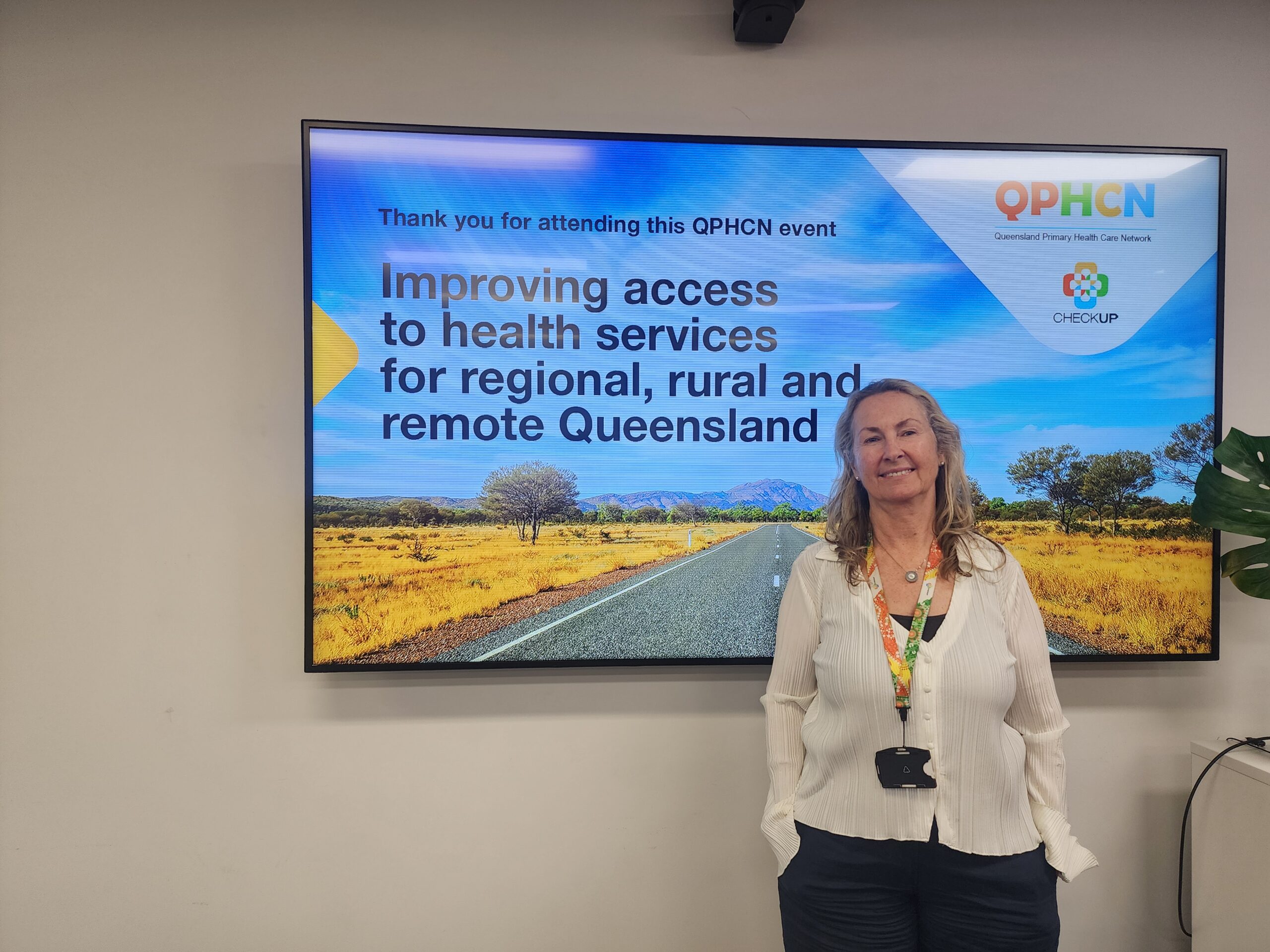
CheckUP’s Evaluation Lead Philippa Hawke closed the session with a look at how patient feedback gets collected across a network as varied as CheckUP’s, and used to actually improve services rather than sit on a shelf. Since July 2024, CheckUP’s outreach patient survey has produced results across the network.
“To hear that our patients are actually really appreciative, I mean, we knew they liked us, but to see the hard data of what things we’re doing well just keeps us motivated to keep going out there.” Philippa Hawke, Evaluation Lead ▶ Watch this moment
What we’re taking forward
The morning was a reminder that behind every statistic on outreach visits and occasions of service sits a specific person, in a specific town, who got to see a doctor, a podiatrist or an optometrist without leaving their community to do it. That’s the throughline across every program CheckUP coordinates, and it’s what the team continues to build toward with each new partnership and each new region.
Want to join us next time? Subscribe to CheckIN and we’ll keep you in the loop on upcoming QPHCN events and outreach stories like this one.
Sign up to CheckIN