

Who we are
CheckUP works with partner organisations and health providers to create healthier communities and reduce health inequities through a range of initiatives.
View allWhat we do
CheckUP works with partner organisations and health providers to create healthier communities and reduce health inequities through a range of initiatives.
View allPartner with us
There are so many ways you can support the work of CheckUP and our vision of better health for the people and communities that need it most.
View allYou can’t build Northern Australia without building its workforce
Reflections from Developing Northern Australia Conference (DNAC), Mparntwe (Alice Springs), 5–7 August 2026
By Carissa McAllister (left), First Nations Industry Workforce Advisor – Health and Social Assistance
What does it take to build a strong future for Northern Australia?
At DNAC in Mparntwe, the conversation centred on the opportunities and challenges shaping the future of the north, from investment and infrastructure to regional development, industry, housing and community outcomes.
But underneath every one of these conversations sits a fundamental question: who will do the work?
This was the question I took to DNAC, where CheckUP presented on why and how Strong Futures Start Here was developed, a practical workforce planning guide to help Aboriginal and Torres Strait Islander health and community service organisations turn workforce challenges into action.
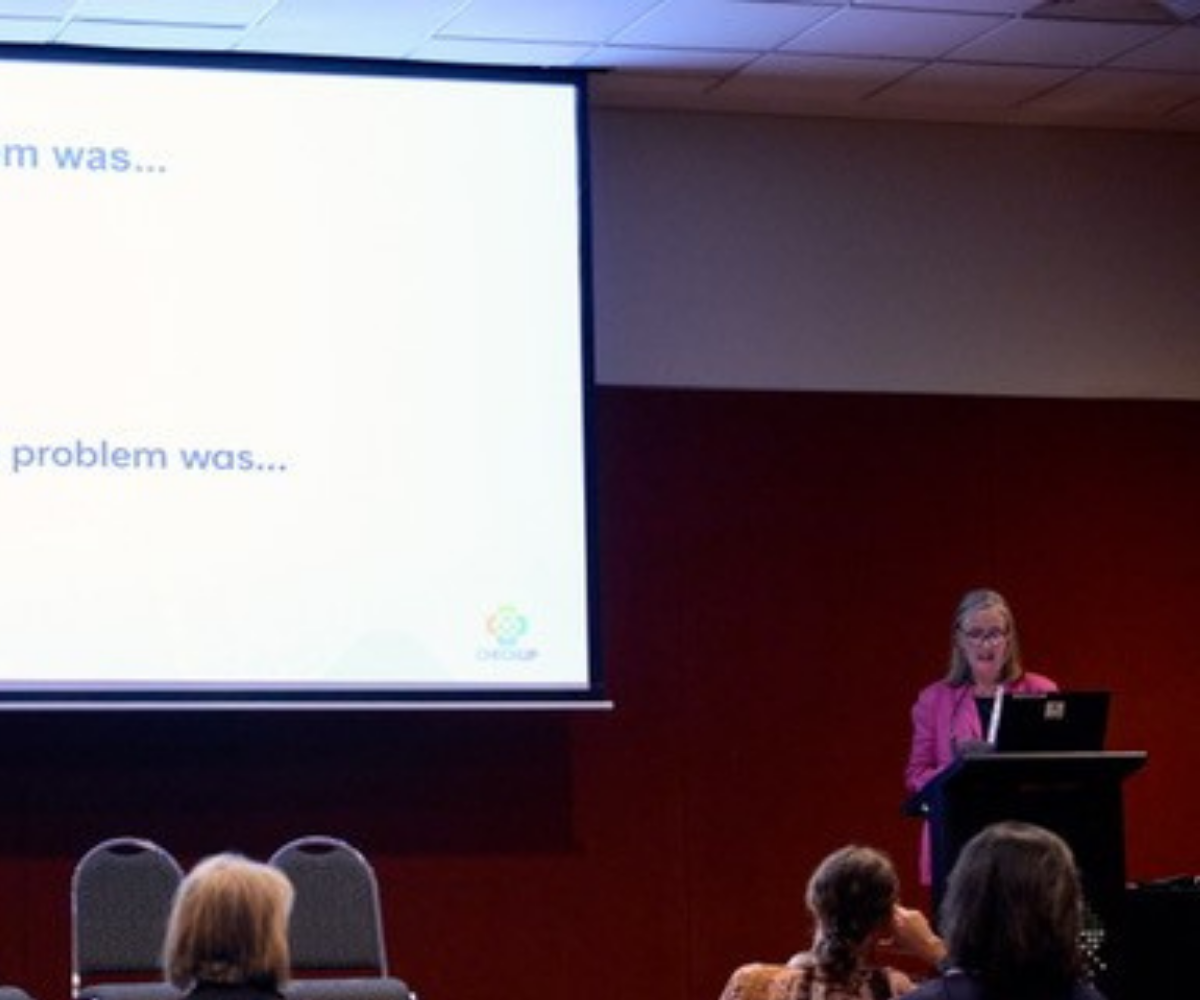
Carissa McAllister presenting at DNAC26.
Through my work as a First Nations Industry Workforce Advisor, I work alongside Aboriginal and Torres Strait Islander businesses and organisations experiencing real workforce challenges. Often, organisations know they have a workforce problem, but knowing there is a problem and knowing where to start are two very different things. Strong Futures Start Here was developed to make workforce planning practical, accessible and relevant to Aboriginal and Torres Strait Islander health and community services.
Workforce needs to be part of the development conversation
Northern Australia has enormous potential, but growth requires people with the right skills, in the right places, at the right time. For Aboriginal and Torres Strait Islander communities, workforce planning is also about creating meaningful pathways for local people to participate in and benefit from that growth. That means asking:
- What workforce does our community need?
- What skills will we need in the future?
- How do we attract and retain the right people?
- How do we build the capability of our existing workforce?
- Where are our workforce gaps and risks?
- What partnerships can help us build capacity?
Workforce planning cannot be something we consider once a project, service or funding opportunity is already underway. It needs to be part of the planning from the beginning.
Why Strong Futures Start Here?
It provides a structured way to ask:
- Where are we now?
- Where are we going?
- What workforce will we need?
- What is getting in the way?
- What do we need to do next?
Workforce planning is more than recruitment
One of the biggest shifts we need to make is moving beyond seeing workforce challenges simply as a recruitment problem. When a position is vacant, the immediate response can be “we need to recruit.” Strategic workforce planning asks what is sitting underneath that vacancy: are we attracting the right people, are we retaining the people we have, do we have the right roles and skills, are we developing our existing workforce, and what will our workforce need to look like in two or five years?
This shifts the conversation from:
“How do we fill this vacancy?”
to:
“How do we build the workforce our organisation and community need?”
A First Nations workforce lens matters
Workforce planning needs to reflect place, culture and community. What works in Brisbane may not work in a remote community. What works for a large organisation may not work for a small Aboriginal and Torres Strait Islander organisation. A First Nations workforce approach considers local pathways, participation, cultural capability, community connections, workforce development, partnerships and the realities of attracting and retaining people across regional, rural and remote communities.
These aren’t additional considerations. They are central to the strategy.
From planning to action
A workforce plan only creates value when it leads to action. Through CheckUP’s First Nations Industry Workforce Advisor program, I am continuing to build a free and practical workforce development pathway.
FIND
Identify the workforce bottleneck.
PRIORITISE
Understand the pressure points and determine what matters most.
ACT
Turn priorities into a practical 90-day action plan.
PARTNER
Build the connections, capability and partnerships for sustainable workforce growth.
The four-step pathway CheckUP’s First Nations Industry Workforce Advisor program uses with organisations.
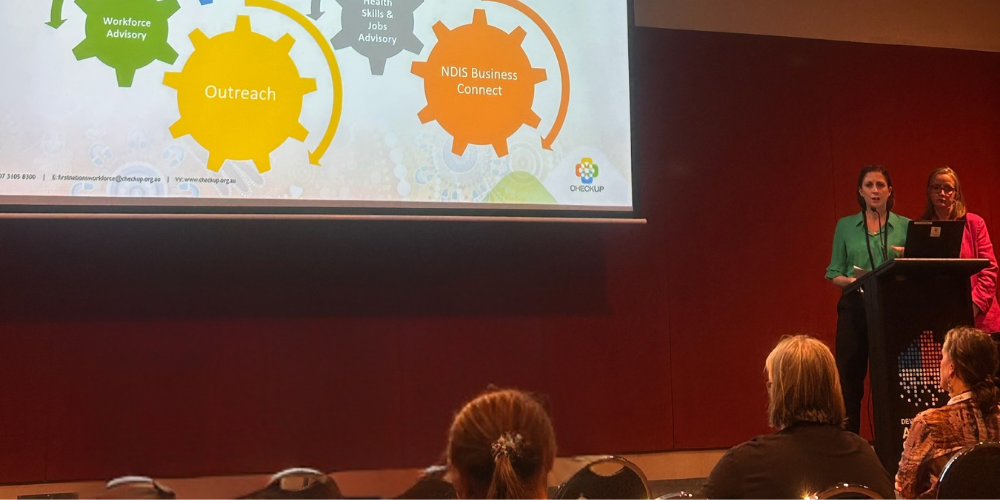
Carissa and Vicky presenting CheckUP’s workforce and industry development programs at DNAC26.
Bringing the conversation home
One of the most valuable parts of attending DNAC26 was stepping outside the day-to-day and seeing workforce planning within the bigger picture of Northern Australia. The conference reinforced something I see every day through my work.
Workforce planning is economic development. It is service planning. It is community development.
If we want strong communities, we need strong organisations. If we want strong organisations, we need sustainable workforces. And if we want a strong future for Northern Australia, we need to plan for the people who will build it.
Start your workforce journey today with CheckUP
Find your bottleneck. Prioritise the pressure. Take action. Build strong futures.
07 3105 8300 | firstnationsworkforce@checkup.org.au
More from DNAC26


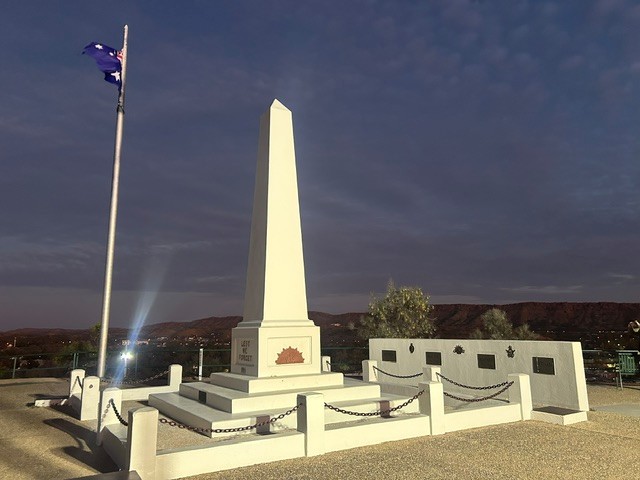
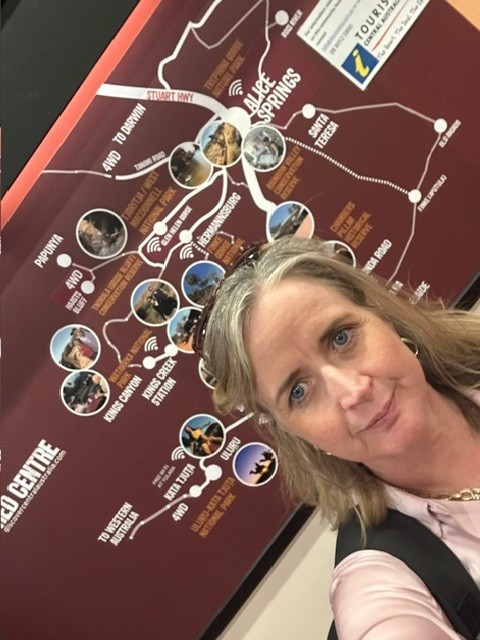

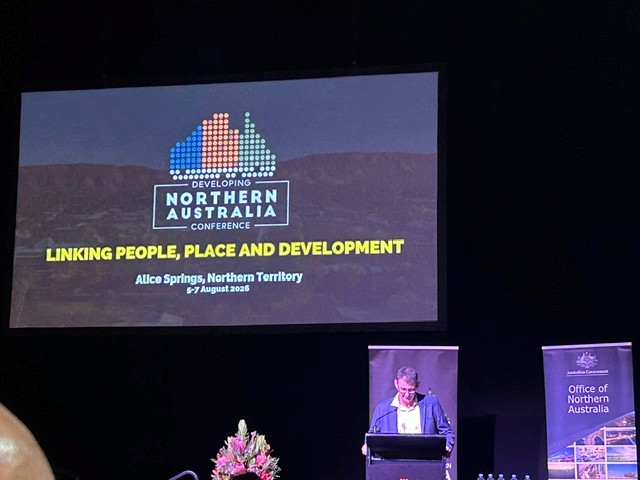
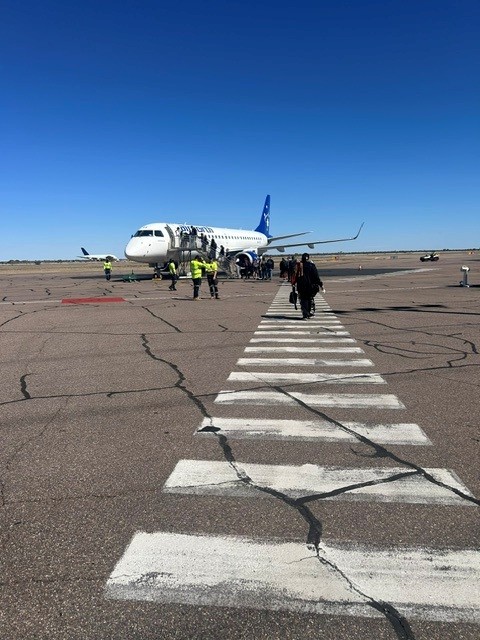
Swipe or scroll to see more. Snapshots from across the conference — Alice Springs sunsets, keynote sessions, and the road home.