

Who we are
CheckUP works with partner organisations and health providers to create healthier communities and reduce health inequities through a range of initiatives.
View allWhat we do
CheckUP works with partner organisations and health providers to create healthier communities and reduce health inequities through a range of initiatives.
View allPartner with us
There are so many ways you can support the work of CheckUP and our vision of better health for the people and communities that need it most.
View allSumaya and Cleone’s intern journey at CheckUP
Sumaya Abukar and Cleone Wrakuale, North Queensland Cancer Prevention Program
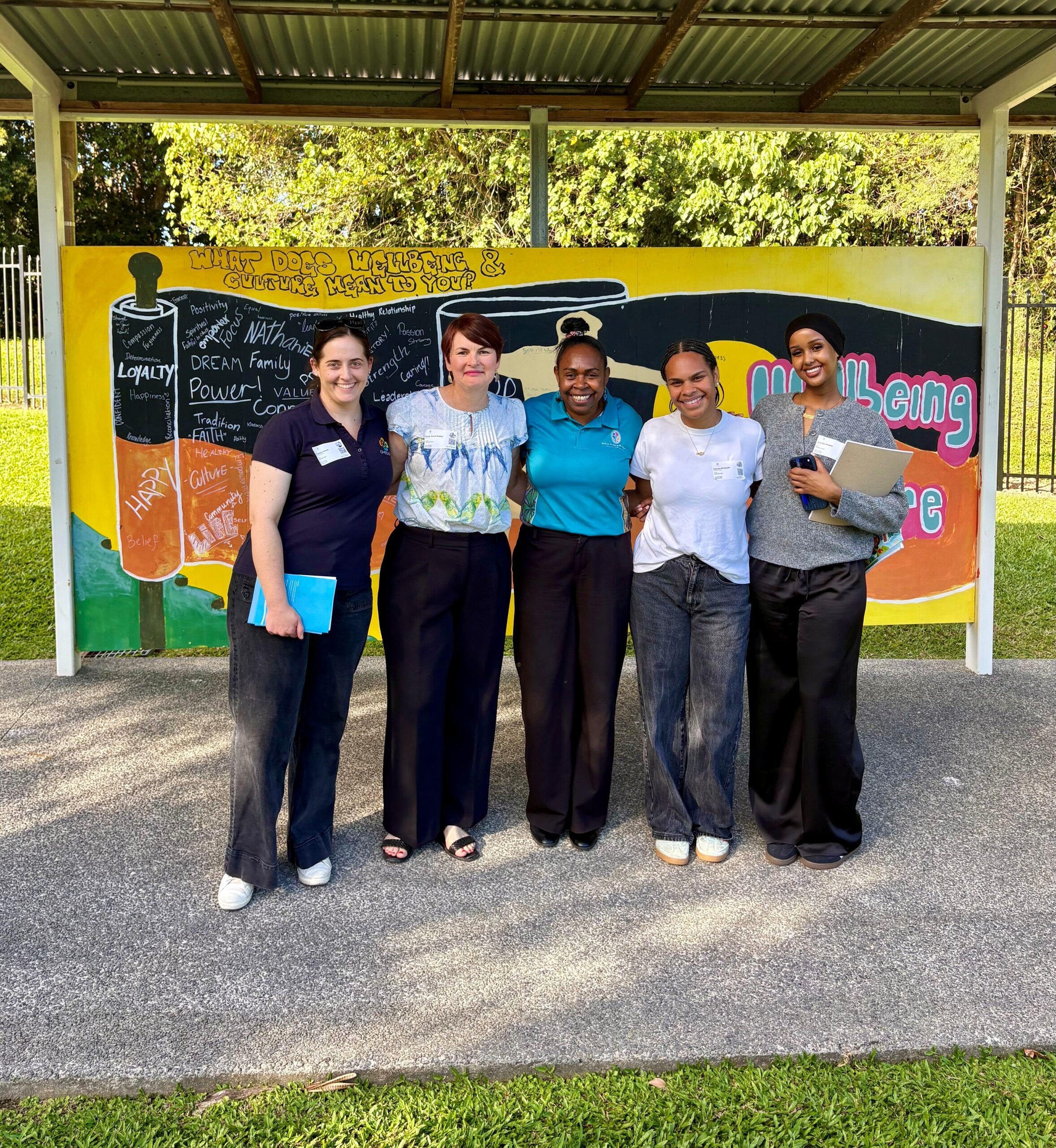
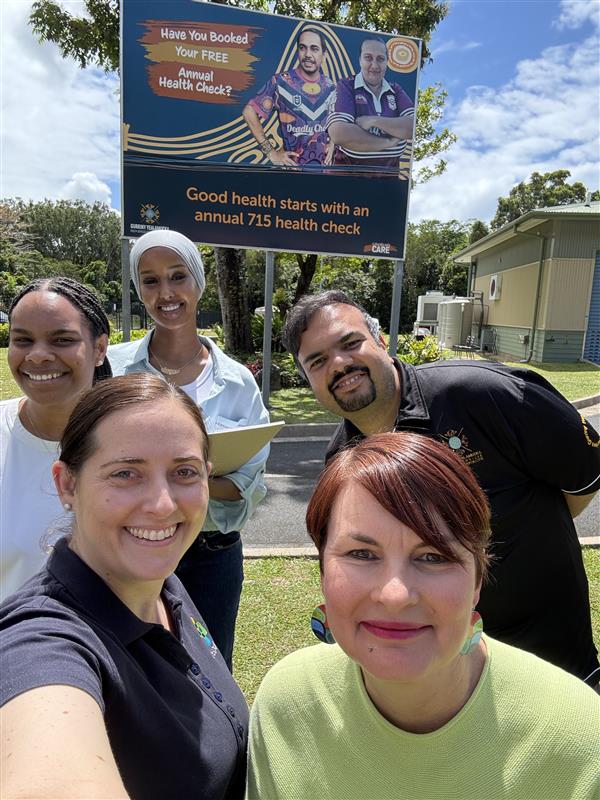
Sumaya and Cleone spent their public health placements with our Outreach Health Programs team. Sumaya supported the skin cancer work, which connects with our Skin Cancer Early Detection program, and Cleone focused on cervical cancer, both as part of the North Queensland Cancer Prevention Program. After weeks of research and service mapping, they travelled to Cairns with Mary-Anne Quilter, Manager: Cancer Prevention, and Cassie French, Cancer Prevention Programs Coordinator, to meet the people behind the services. Both have now finished their internships, and before they moved on we asked them to look back on their time with us. Thank you for being part of the CheckUP team, Sumaya and Cleone! We appreciate your contributions and wish you every success in your future studies and career.
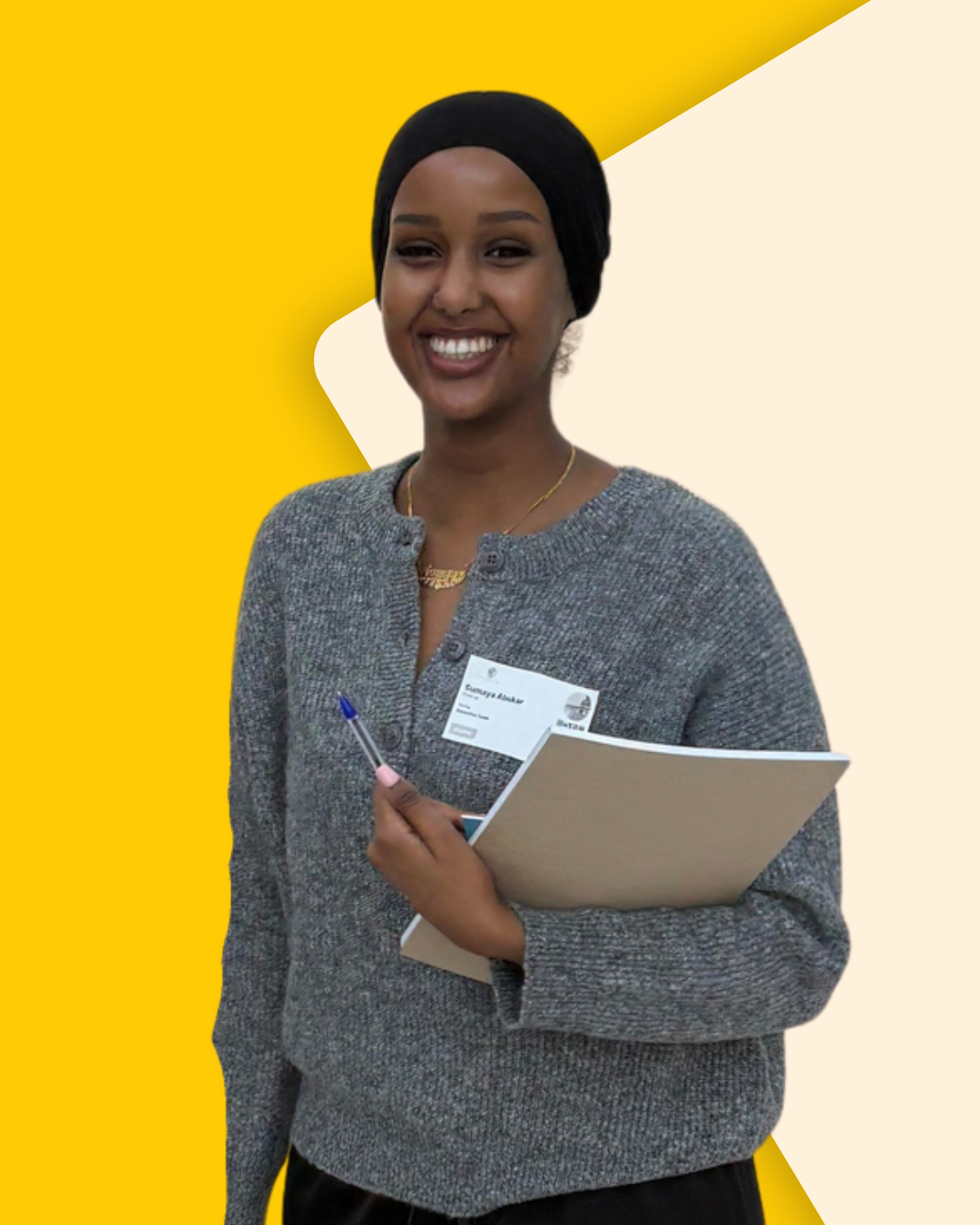
Sumaya Abukar
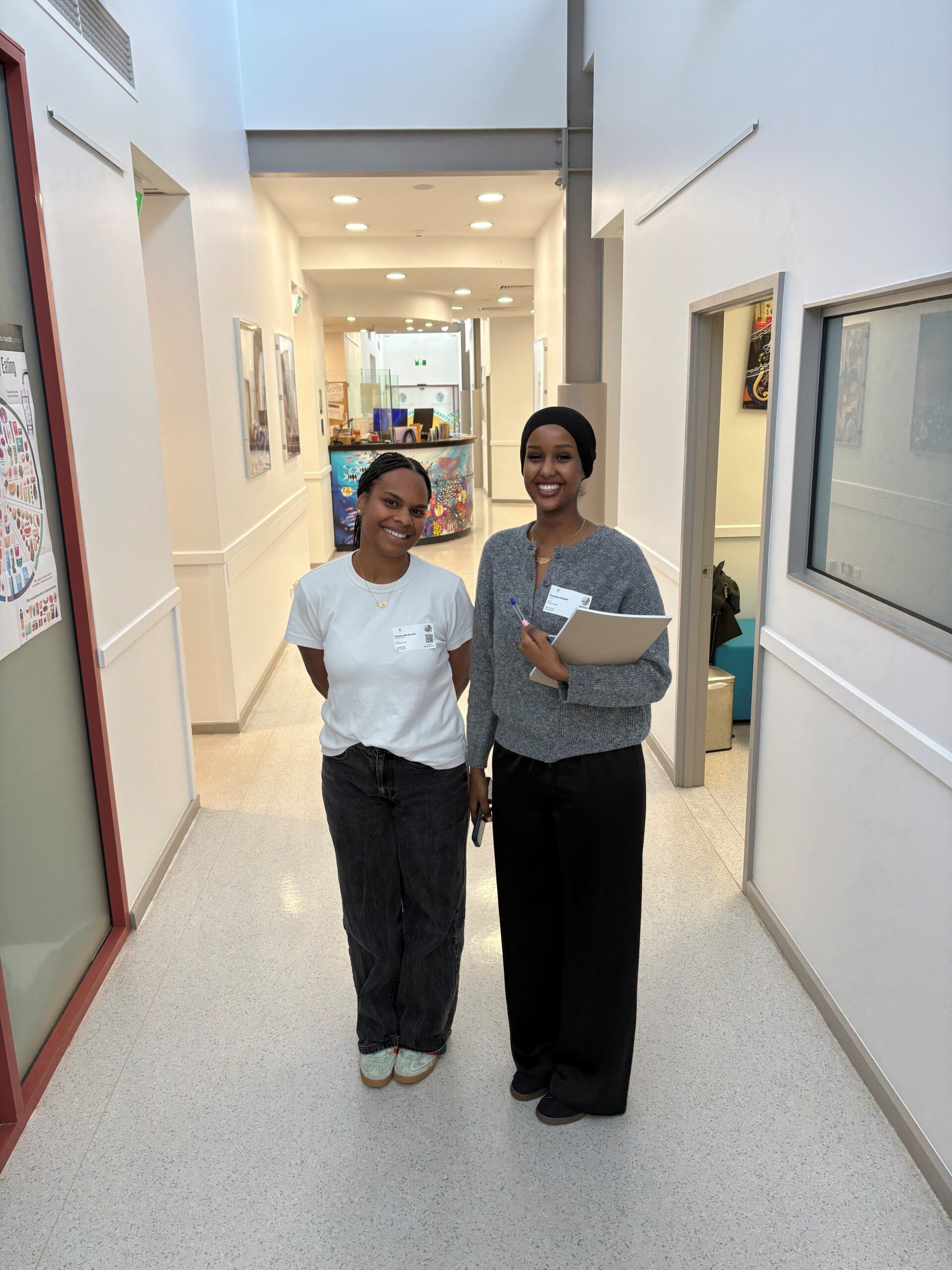
What inspired you to study public health?
During Year 12, I completed Certificates II and III in Health Services, which is where I really developed my interest in health and helping people. I originally started studying nursing, but I realised I was more interested in the bigger picture of health, particularly in prevention, health promotion, health inequalities and understanding why some communities have better access to healthcare than others.
What did you work on?
I’ve mainly supported the skin cancer component of the program. That’s included service mapping, desktop analysis, stakeholder meetings and developing a health promotion resource pack.
What was your favourite experience?
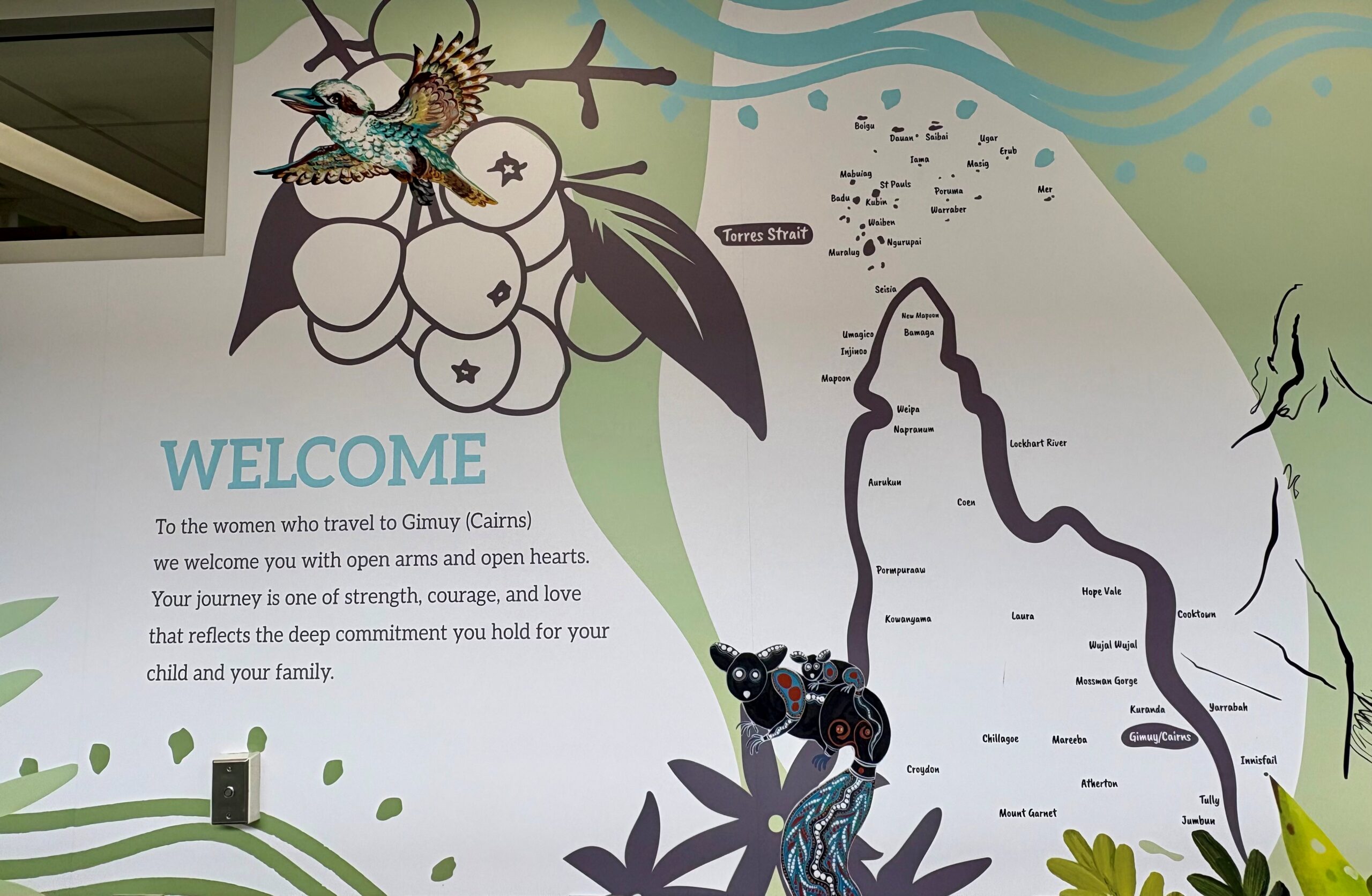
Definitely the trip to Cairns. After so much time researching and mapping services from the office, it was amazing to visit community-based health services and Aboriginal Community Controlled Health Organisations (ACCHOs) and see firsthand some of the services we had been learning about. I loved hearing directly from the people doing the work, and how passionate and keen they were to get involved. It made our work feel much more real.
What was the most valuable thing you learned?
How much happens behind the scenes before a health program starts. There’s mapping services, identifying gaps, reviewing evidence and speaking with stakeholders, all before anything launches. I’ve also learnt how important relationships are, because one conversation can lead you to other people, services or organisations who can help move the work forward.
What was your biggest challenge?
Moving from university assessments, with clear instructions and criteria, to work that’s much more open-ended. The desktop analysis had so much information across services, regions and sources that it could feel overwhelming. I learned to break it into smaller sections, keep coming back to the purpose of the project and check in with my supervisors. I’m now much more confident using my own judgement.
What’s next for you?
I’d love to explore global health and humanitarian work, particularly improving access to healthcare and reducing health inequalities. After visiting Cairns during my internship and learning more about healthcare in regional communities, I’ve also become really interested in the possibility of working in rural and remote communities in the future.
Sumaya’s advice for future interns
Ask questions, be open to learning and get involved in things outside your usual tasks, whether that’s sitting in on meetings, going on visits or meeting stakeholders. You might discover areas you never knew you were interested in.
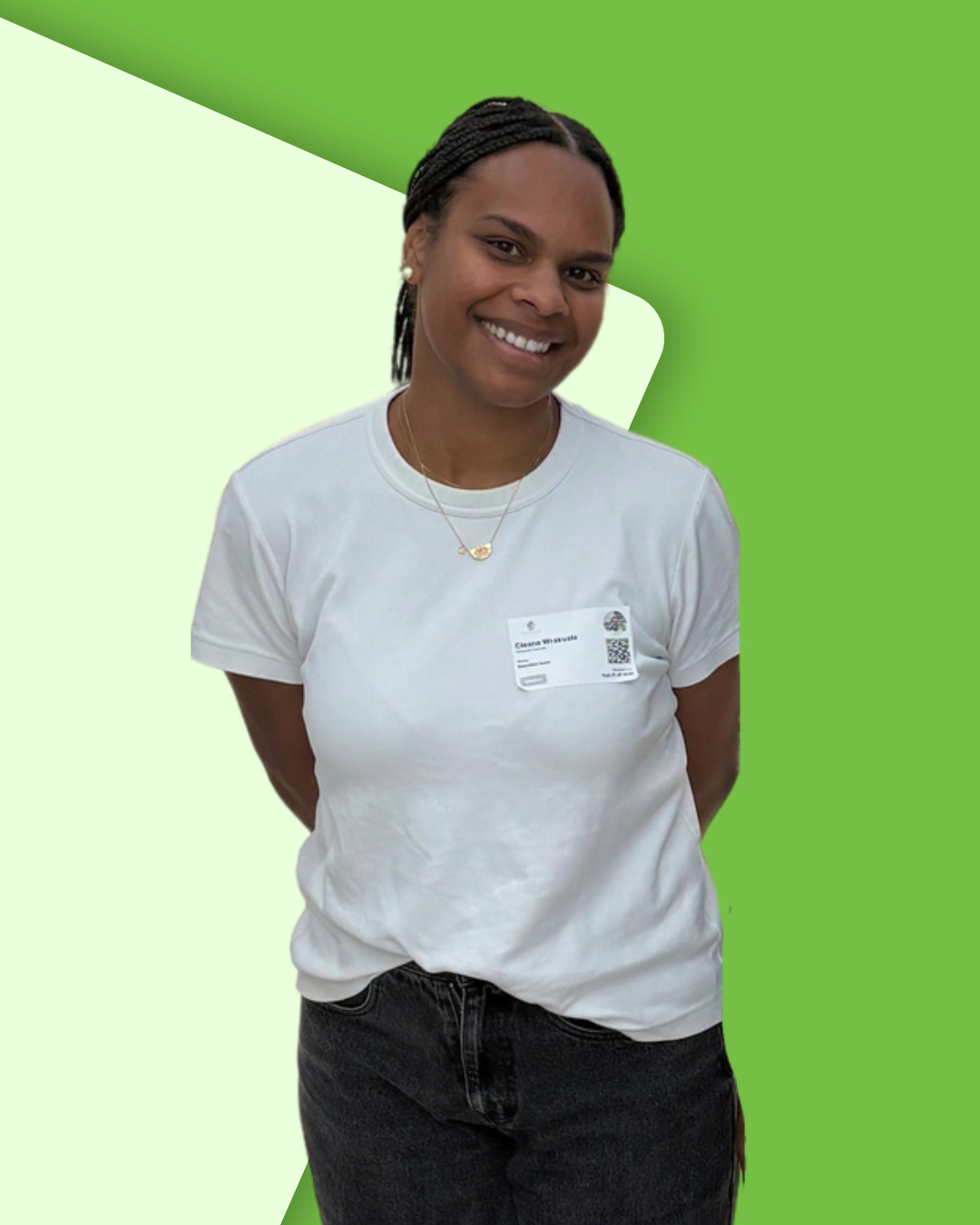
Cleone Wrakuale
What attracted you to this placement?
A strong passion for the health and wellbeing of Aboriginal and Torres Strait Islander Peoples. I want to contribute to evidence-based health promotion that improves access, equity and health outcomes through culturally safe, community-focused approaches.
What did you work on?
I’ve worked with Mary-Anne and Cassie on the cervical cancer prevention component of the program. I’ve been completing a desktop analysis across the Cairns Hinterland and Torres and Cape regions, which means researching and liaising with stakeholders across Queensland and in some cases across the country.
What was your favourite experience?
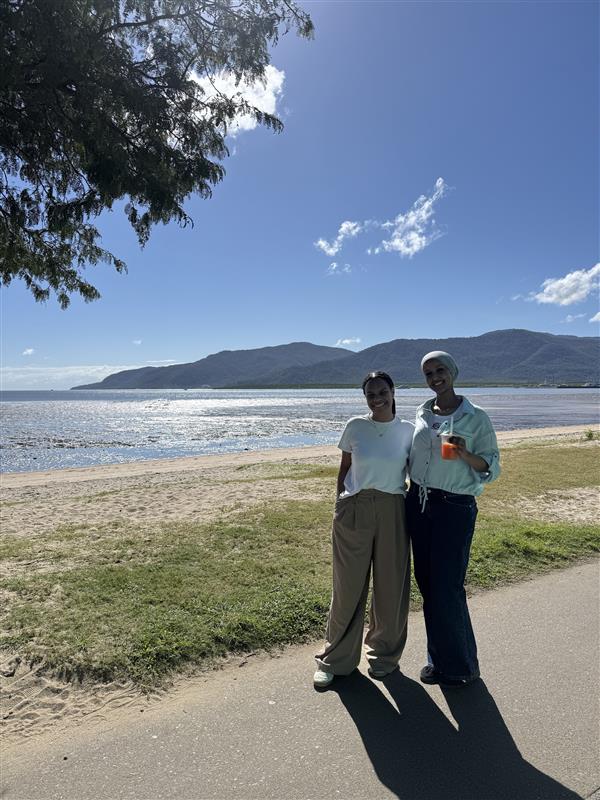
Our trip to Cairns provided such an amazing opportunity to connect with stakeholders and major peak governing bodies that we had not only met online but had also heard many wonderful things about regarding the tremendous work and health services they provide for Aboriginal and Torres Strait Islander communities within these remote regions.
Being able to physically see and experience the workflow and scale of work that these organisations offer and contribute further solidified my appreciation for their efforts but also highlighted the greater need for support of these organisations in closing the gap and addressing disparities in the health outcomes of Aboriginal and Torres Strait Islander communities.
What was the most valuable thing you learned?
How far the healthcare system needs to adapt so Aboriginal and Torres Strait Islander communities can access even simple primary health care with confidence. It’s reinforced my belief in culturally safe, trauma-informed and community-based approaches. They build positive relationships between communities and health promotion, and they help break down barriers to care.
What’s next for you?
My goal as a new graduate is to pursue a career in Aboriginal and Torres Strait Islander health promotion. I am particularly interested in working within the areas of women’s and children’s primary health, as well as chronic disease prevention. My aspiration is to contribute to improving health outcomes in regional and remote communities, with a preference for working in Central or Far North Queensland, the Northern Territory or Western Australia. Through this work, I hope to support culturally responsive and community-driven health initiatives that empower Aboriginal and Torres Strait Islander peoples and promote long-term health and wellbeing.
Cleone’s advice for future interns
Fully immerse yourself in the team. Ask questions, push beyond being “just” a placement student and say yes to new experiences, because the opportunity on the other side could change the direction of your career. Chat with your colleagues and learn about their journeys. Your team is there to support you.
Stay in the loop
Subscribe to CheckIN for more stories from regional, rural and remote Queensland, straight to your inbox.
Sign up to CheckIN